
1991 Trailers For Sale
Browse 1991 trailers for sale, including dry vans and specialty units. Compare axle setups, body condition, specs, and application fit.
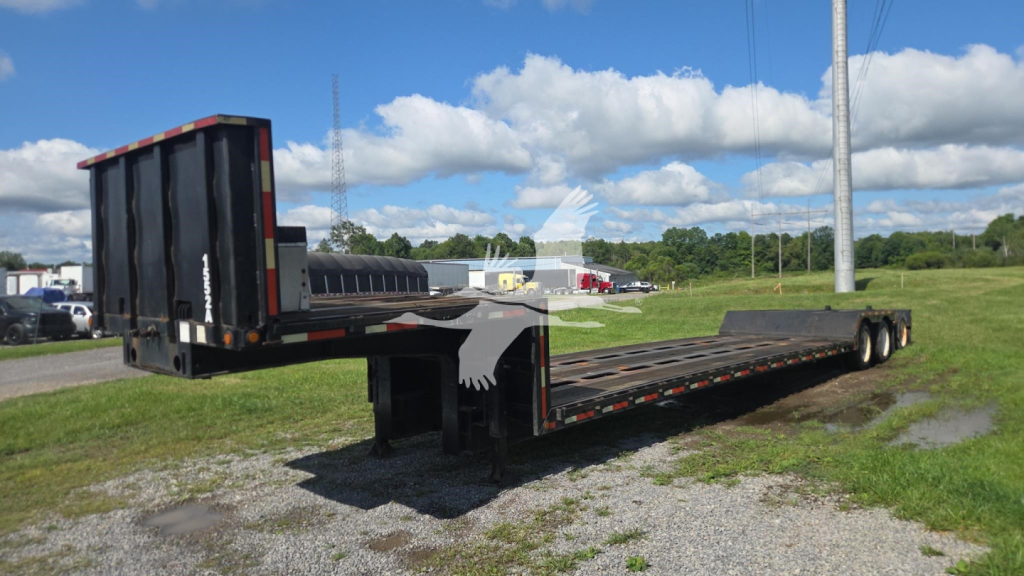
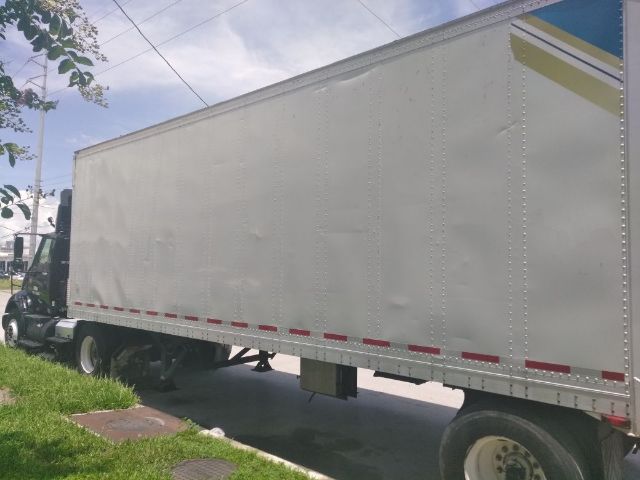
Selling a 1991 trailer? List your 1991 trailer for sale to reach thousands of commercial buyers.
1991 Trailers
The 1991 trailer market covers a wide range of equipment types, including dry vans, flatbeds, refrigerated trailers, storage trailers, and other vocational configurations. Specs vary widely by application, but common decision points include tandem axle versus single axle setup, overall length, suspension type, wheel-end condition, and door configuration. On older vans, buyers should pay close attention to the floor rating and wall condition if the trailer will see palletized freight, carts, or hand-load work. Single axle units can make sense for lighter-duty urban use or yard storage, while tandem axle trailers generally offer better flexibility for heavier freight and broader resale appeal.
Maintenance history matters more than age alone on a 1991 trailer. A well-kept older trailer with solid landing gear, legal brakes, decent tires, and a straight frame can still deliver value in regional hauling, farm use, warehouse overflow, or dedicated local routes. Corrosion around the upper rail, rear sill, hinge areas, and slider components should be inspected carefully. Buyers should also verify VIN plates, inspect for patched floors or subframe damage, and confirm that lights, ABS-related components where applicable, and air systems are serviceable. For many operators, the best use case for a 1991 trailer is dependable lower-mileage work where acquisition cost is a bigger factor than late-model appearance or fleet standardization.
Older trailers can also be attractive for stationary storage, seasonal overflow, and site use where road mileage is limited. In those cases, condition of the shell, doors, floor, and landing gear often matters more than paint or brand. If the trailer will stay in highway service, make sure the kingpin area, apron, suspension mounts, brake chambers, and tire condition are evaluated closely before purchase. A 1991 trailer is typically bought on practical value, so the right choice is the one with the cleanest structure, the fewest deferred repairs, and specs that fit the freight from day one.
Frequently Asked Questions about 1991 Trailers
What should I inspect first on a 1991 trailer?
Start with the frame, crossmembers, floor, suspension, brakes, tires, and rear structure. On enclosed trailers, inspect the roof, side panels, rear frame, and door hardware for leaks, impact damage, and corrosion. The kingpin area and apron are critical on any highway trailer because structural wear there can turn a low purchase price into a major repair bill.
Is a 1991 trailer too old for regular freight service?
Not necessarily. Age alone does not determine usefulness if the trailer has been maintained and the structure is still sound. Many older trailers continue to work in local, seasonal, agricultural, yard, and light regional applications, but buyers should expect a closer inspection of brakes, air lines, wheel ends, suspension components, and any signs of metal fatigue or deferred maintenance.
Are single axle 1991 trailers a good buy?
A single axle trailer can be a practical choice for lighter payloads, local delivery work, or stationary storage use. They are generally simpler and may cost less to maintain, but they have less flexibility for heavier freight than a tandem axle trailer. The best fit depends on payload, route type, and how often the trailer will be loaded to capacity.
Does a liftgate add value on an older trailer?
Yes, if it works properly and matches the application. A liftgate can make an older van trailer more useful for city delivery, retail routes, and locations without a dock. Buyers should test lift and lower functions, inspect the platform and hinges, and confirm that hydraulic and electrical components can still be serviced.
What is the best use for a 1991 trailer today?
The best use is usually cost-sensitive work where function matters more than late-model appearance. Common examples include local freight, farm support, warehouse overflow, jobsite storage, seasonal surge capacity, and dedicated short-route hauling. The key is choosing a trailer with solid structure and repair needs that are predictable from the start.