
1989 Trailers For Sale
Shop 1989 trailers for sale including van, reefer, flatbed, dump, and specialty trailer types with specs that matter to fleet buyers.
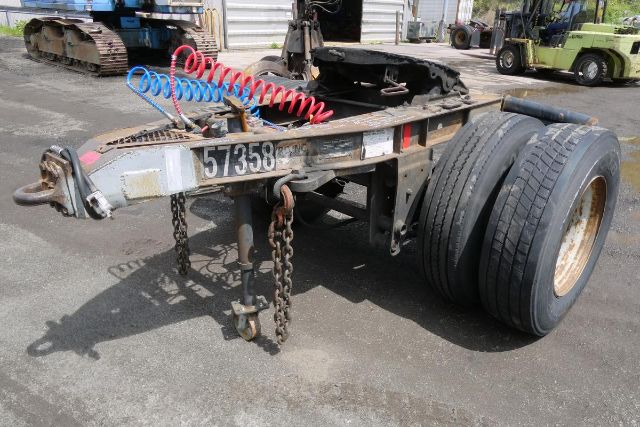
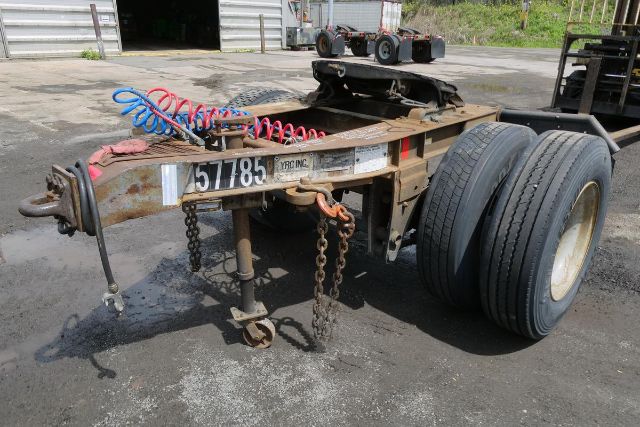
Selling a 1989 trailer? List your 1989 trailer for sale and reach thousands of commercial buyers.
1989 Trailers
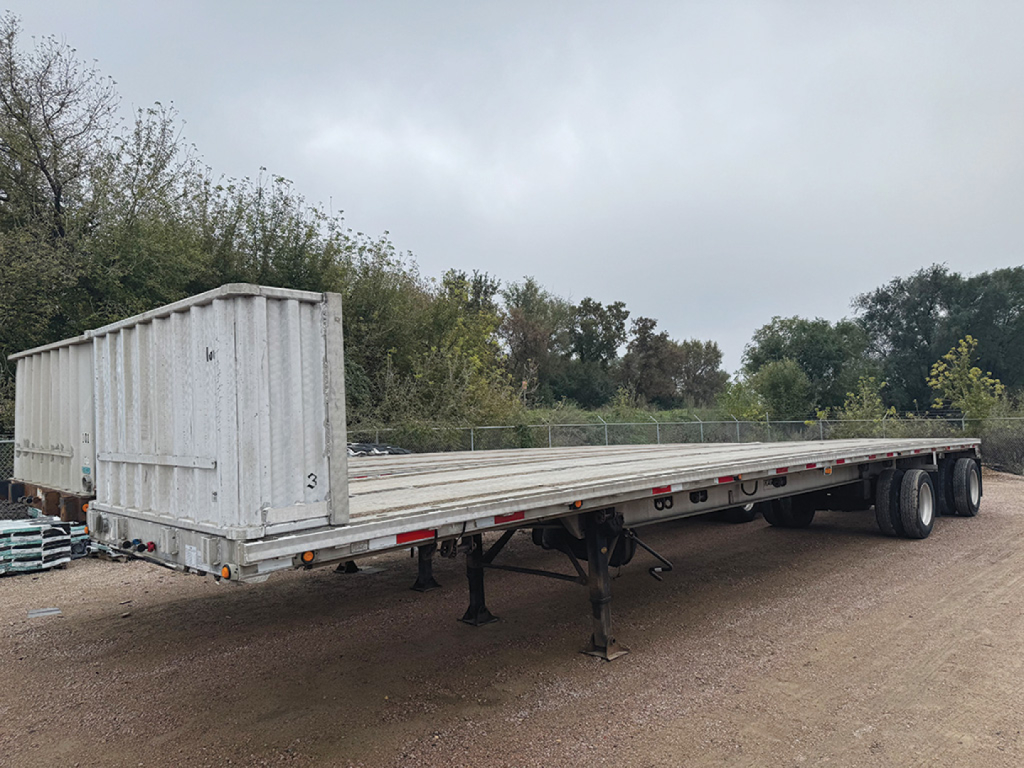
The most important buying decision is trailer type. A 1989 dry van may still make sense for warehouse moves, onsite storage, or local freight if the roof, floor, doors, and rear frame are solid. Older reefers can be harder to justify unless the body is clean and the refrigeration unit has documented service history, since unit age, insulation condition, and air chute performance directly affect uptime. Flatbeds, drop decks, dump trailers, and some specialty trailers often age better than temperature-controlled equipment, but they still need close inspection around the neck, suspension hangers, kingpin plate, landing gear mounts, and any high-stress weld areas. On older trailers, prior repairs are common, so the quality of the repair matters as much as the original build.
Common specs on trailers from this era include tandem axles, 48-foot lengths on vans and flats, spring ride or older air ride suspensions, steel or aluminum wheel setups, and drum brakes rather than newer disc systems. Sliding tandems, wood floors, swing doors, and steel crossmember construction are also common depending on the application. Buyers should verify current DOT compliance items such as lights, ABS requirements where applicable, tire condition, brake wear, air leaks, and VIN legibility. If the trailer will run regularly on the road, it is smart to check for corrosion at the rear sill, side rails, upper coupler, and subframe areas, along with signs of floor rot, water intrusion, or uneven tire wear that may point to alignment or axle issues.
The best 1989 trailer purchase is usually one with a clear, narrow job description. For example, a dry van used for static storage has a very different value profile than one expected to run daily over long interstate lanes. The same applies to older dump, reefer, and platform trailers. A buyer comparing listings should weigh legal payload, unloaded weight, maintenance exposure, and the availability of replacement parts for suspension, hubs, brakes, doors, and body hardware. A well-maintained older trailer can still deliver good service life, but only if the inspection is disciplined and the trailer is matched to realistic operating demands.
Frequently Asked Questions about 1989 Trailers
What should I inspect first on a 1989 trailer?
Start with the structure. Check the main rails, crossmembers, kingpin area, suspension hangers, landing gear mounts, rear frame, and floor. On enclosed trailers, inspect the roof, sidewalls, door frame, and signs of water intrusion. On platform or dump trailers, pay close attention to stress cracks, prior weld repairs, hoist or hinge wear, and corrosion in high-load areas. Older trailers can still be usable, but structural condition is the first make-or-break factor.
Are 1989 trailers still suitable for over-the-road use?
Some are, but suitability depends on condition, maintenance history, and the trailer type. A 1989 trailer that has been rebuilt, maintained well, and kept DOT-compliant can still serve in regional or even highway use. That said, older trailers generally carry more maintenance risk, may have outdated brake or suspension components, and may be less efficient than newer equipment. Buyers should compare expected repair costs against the purchase price and intended annual mileage.
Which 1989 trailer types usually hold practical value best?
Flatbeds, some dump trailers, and basic dry vans often make the most practical sense because they are mechanically simpler than reefer trailers and can be easier to maintain. Dry vans from this era are often used for storage, local freight, or yard service if the body remains weather-tight. Reefers can still have value, but refrigeration performance, insulation integrity, and unit service history are critical. Specialty trailers can also be worthwhile when the design fits a specific operation and replacement cost for newer equipment is much higher.
What common specs should I expect on a 1989 trailer?
Many trailers from 1989 were built with tandem axles, 48-foot overall length in van and flatbed applications, drum brakes, spring ride or early air ride suspension, and either steel or aluminum wheel packages. Dry vans commonly came with wood floors and swing doors, while some trailers may have sliding tandems depending on the application. Exact specs vary widely by trailer category, so buyers should verify length, width, axle spread, suspension, brake type, floor material, and GVWR on each listing.
Is a 1989 trailer a good buy for storage or yard use?
Often, yes. Older trailers can be a cost-effective choice for stationary storage, warehouse overflow, jobsite inventory, farm use, or yard spotting, especially if road use is limited. In these applications, body condition, door operation, floor strength, and weather resistance usually matter more than newer running gear technology. Even for storage use, buyers should still inspect the frame, roof, floor, and title status to avoid hidden problems.