
1987 Trailers For Sale
Browse 1987 trailers for sale, including van, flatbed, tank, and reefer types with specs on axles, suspension, dimensions, and applications.
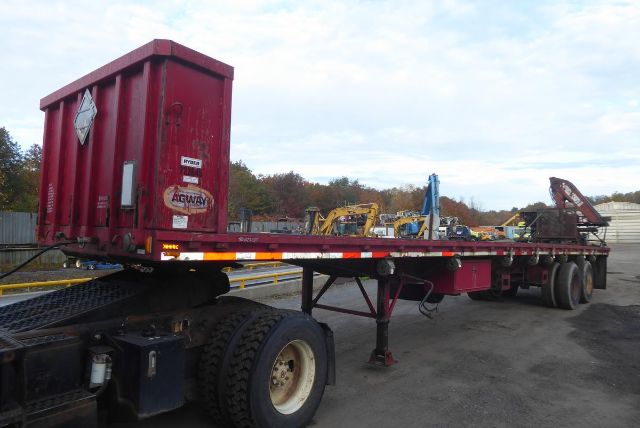
Selling a 1987 trailer? List your 1987 trailer for sale and reach thousands of commercial buyers.
1987 Trailers
The main 1987 trailer types buyers usually compare are dry vans, flatbeds, reefers, and tank trailers. A van trailer, also known as an enclosed freight trailer, is used for palletized goods, retail freight, and dock-to-dock work. Key checkpoints include roof condition, sidewall repairs, rear frame corrosion, door seal fitment, floor thickness, scuff liner wear, and kingpin plate condition. A flatbed trailer is more exposed to concentrated loading and tie-down stress, so deck condition, main beam cracks, winch track integrity, rub rail damage, and sliding tandem function deserve close attention. Older reefers can be useful, but the refrigeration unit age, hours, parts support, insulation performance, and door opening condition are major value drivers. For tank trailers, especially fuel or chemical service, inspection history, barrel condition, code compliance, compartment setup, valve condition, and test documentation are essential.
Specs on older trailers vary widely, but common buyer filters still apply. Length may range from shorter regional platforms to 45-foot and 53-foot configurations. Tandem axles are common, with either fixed or sliding axle setups depending on trailer style and application. Suspension may be spring ride or air ride, with air ride generally preferred for freight protection and dock consistency, while spring ride can be simpler and less expensive to maintain. Trailer construction may be steel, aluminum, composite, or a mixed design. Steel can offer durability at a lower purchase price but requires careful rust evaluation. Aluminum helps reduce tare weight but should be checked for cracking, prior weld repairs, and fatigue in high-stress areas. Tire size, wheel type, brake condition, landing gear operation, and current lighting all affect real operating cost once the trailer is put to work.
When comparing 1987 trailers for sale, ask for repair records, prior use history, VIN verification, and clear photos of the understructure, kingpin area, suspension hangers, and rear impact guard. If the trailer will run under DOT inspection, registration, or customer facility standards, make sure the unit can meet those demands without immediate capital work. The best value in this category is rarely the cheapest trailer on paper. It is the trailer with the right body style, sound structural condition, usable specs, and a maintenance profile that fits the lane, commodity, and revenue plan.
Frequently Asked Questions about 1987 Trailers
What should I inspect first on a 1987 trailer?
Start with the structure. Look closely at the frame rails, crossmembers, kingpin area, suspension mounts, landing gear mounts, rear frame, and floor. Corrosion, cracked welds, prior patchwork, and collision damage matter more than paint or cosmetic appearance. After that, check brakes, tires, lights, air lines, and axle alignment because those items drive immediate roadability cost.
Is a 1987 trailer too old for commercial use?
Not necessarily. An older trailer can still be commercially useful if it is structurally sound, properly maintained, and compliant with the type of service it will perform. Many buyers use older trailers in regional lanes, agricultural work, storage, or dedicated applications with predictable freight. The key question is not just age. It is whether the trailer can pass inspection, handle the intended payload, and avoid constant repair downtime.
Which 1987 trailer type holds value best?
Value retention depends on condition, demand, and how specialized the trailer is. Flatbeds often remain marketable because their design is simpler and buyers can assess deck and frame condition fairly quickly. Dry vans can also hold practical value for storage and general freight if the floor, roof, and doors are solid. Reefers and tank trailers can be more sensitive to age because unit support, insulation performance, tank code requirements, and inspection status affect usability and resale.
What specs matter most when comparing older trailers?
Focus on trailer length, axle setup, suspension type, construction material, brake type, tire size, and body-specific features. For vans, that includes floor condition, logistics posts, scuff liners, and door dimensions. For flatbeds, deck height, concentrated load rating, tie-down equipment, and sliding tandems matter. For tank trailers, gallon capacity, compartment layout, DOT code, valve equipment, and test status are critical. Matching the specs to the freight is more important than comparing year alone.
Should I choose air ride or spring ride on an older trailer?
Air ride is usually the better choice for freight protection, ride quality, and dock height consistency, especially in van, reefer, and tank applications. Spring ride can be attractive on older trailers because it is simpler and may cost less to maintain, particularly on some flatbed operations. The better option depends on cargo sensitivity, road conditions, maintenance budget, and how important ride quality is to the account.