
1984 Trailers For Sale
Browse 1984 trailers for sale, including older bulk, tank, flatbed, and specialty models. Compare specs, condition, axle setup, and maintenance history.
Selling a 1984 trailer? List your 1984 trailer for sale and reach thousands of commercial buyers.
1984 Trailers
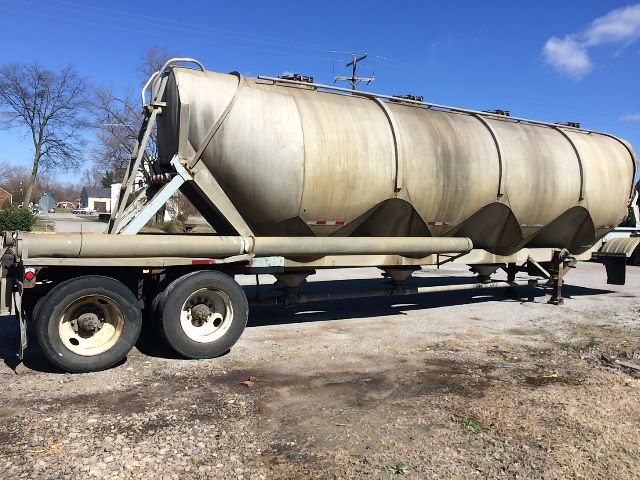
The first decision is trailer type and original use. A 1984 trailer may be a dry bulk pneumatic, tank trailer, hopper, flatbed, van, or another specialty configuration, and each has different inspection priorities. On dry bulk and pneumatic trailers, pay close attention to barrel condition, discharge plumbing, blower requirements, line integrity, pressure gauges, aeration system components, and evidence of product contamination or internal corrosion. On flatbeds and open-deck trailers, look closely at deck condition, concentrated rust around main rails, winch track wear, and the condition of air and electrical lines. On any older trailer, axle alignment, suspension bushing wear, brake chamber age, slack adjuster operation, and wheel-end service history matter more than cosmetic appearance.
Material choice also affects long-term value. Aluminum trailers from this era can offer lighter tare weight and strong corrosion resistance in the right application, while steel units may be easier to repair in some fleets but need closer attention to rust, pitting, and prior welding repairs. Suspension type, axle configuration, and tire size should be reviewed against your hauling lanes and commodity weight. Air ride remains desirable for cargo protection and ride quality, but check ride height control, bag condition, and signs of uneven wear. If the trailer is being used in bulk commodity service, cubic capacity, product history, and clean-out requirements should be verified before purchase, especially if you are switching from one commodity to another.
Paperwork is a major part of evaluating a 1984 trailer. Maintenance records, inspection reports, title status, VIN plate legibility, and proof of brake, tire, drum, and wheel-end work can tell you more than paint ever will. Buyers should confirm DOT compliance items, current lighting and conspicuity requirements, and the availability of replacement parts for suspension, hubs, valves, and specialty systems. A well-kept 1984 trailer can still be a cost-effective asset, but older equipment rewards careful inspection and punishes assumptions. Buyers who focus on structure, application history, and service documentation usually make the better purchase.
Frequently Asked Questions about 1984 Trailers
Is a 1984 trailer too old to be a good buy?
Not necessarily. A 1984 trailer can still be a good buy if the structure is sound, the running gear has been maintained, and the trailer fits a lower-cost or specialty use case. Age matters less than frame condition, kingpin wear, suspension health, brake performance, and documented maintenance. Older trailers are most attractive to buyers who understand inspection standards and can evaluate repair exposure before putting the trailer to work.
What should I inspect first on an older 1984 trailer?
Start with the structural areas that are expensive to correct. Inspect the frame rails, crossmembers, upper coupler and kingpin area, suspension hangers, axle alignment, landing gear mounts, and any visible weld repairs. After that, move to brakes, drums or rotors, chambers, wheel seals, tires, air system leaks, lights, and ABS components if equipped. On specialty trailers such as pneumatic dry bulk units, inspect the vessel, plumbing, valves, gauges, and evidence of internal contamination or corrosion.
Are aluminum 1984 trailers better than steel ones?
Each has advantages. Aluminum trailers generally offer lower tare weight and better corrosion resistance, which can be important in bulk and general freight applications. Steel trailers can be durable and are often more straightforward to repair, but they require closer attention to rust, scaling, and prior structural repairs. The better choice depends on the cargo, operating environment, and the actual condition of the trailer in front of you.
What matters most when buying a 1984 pneumatic dry bulk trailer?
Cubic capacity, prior commodity, tank integrity, and discharge system condition are the major factors. Buyers should verify pressure gauge operation, line condition, valves, aeration components, hose connections, and overall barrel condition. Product history is important because some commodities leave residue, attract moisture, or create contamination concerns for the next load. Maintenance records and evidence of regular brake, tire, and wheel-end service are also important because these trailers often stay in use for many years when properly maintained.
Can a 1984 trailer still meet current operating requirements?
It can, but buyers need to verify compliance carefully. Lighting, reflective tape, brake condition, tire ratings, VIN plate readability, and any required safety equipment should be checked before the trailer goes into service. Registration, title status, and inspection history also matter. Some older trailers may need updates to match current fleet standards or customer requirements, so it is smart to budget for compliance repairs even when the trailer appears road ready.