
1982 Trailers For Sale
Browse 1982 trailers for sale, including flatbeds, dry vans, and lowboys. Compare specs, axle setups, deck lengths, and trailer applications.
Selling a 1982 trailer? List your 1982 trailer for sale and reach thousands of commercial buyers.
1982 Trailers
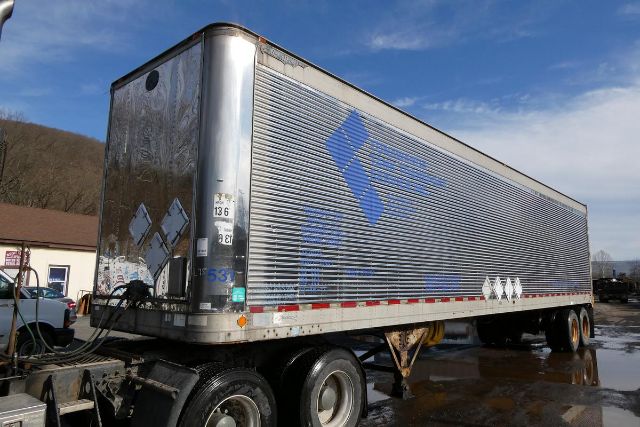
For dry vans, the big checkpoints are roof condition, crossmember fatigue, floor thickness, scuff liner condition, door seal quality, and whether the suspension is spring ride or air ride. Older vans are often used for short-haul freight, storage, dock service, or farm and local industrial applications where cosmetic age matters less than a sound body. Swing doors and roll-up doors each have tradeoffs. Swing doors usually seal well and keep full rear opening width, while roll-up doors can speed dock work but add maintenance points. Sliding tandems, logistic posts, threshold plates, and roadworthy landing gear are all worth close attention on an older van trailer.
With flatbeds, the buying decision usually comes down to deck condition, main beam health, and tie-down capability. A 1982 flatbed trailer may have had multiple floor replacements or repair sections over its life, so inspect the frame rails, crossmembers, and any corrosion around suspension hangers and slider components. Combination trailers reduce empty weight, while all-steel builds can be attractive for rugged service. Important specs include overall length, deck width, axle spread, suspension type, wheel-end condition, and whether the trailer has features such as coil package capability, aluminum wheels, or a tarp system. For buyers hauling steel, lumber, machinery, or building materials, tie-down layout and legal weight configuration matter more than age alone.
On lowboy and detachable gooseneck trailers, a 1982 unit is a specialized purchase that should be evaluated carefully around neck fit, deck height, outriggers, axle alignment, and structural repairs. Mechanical detach and hydraulic detachable designs each have their place, and older lowboys are still used in construction, ag hauling, and equipment transport when the frame and running gear are sound. Key items include loaded deck height, well length, ground clearance, kingpin setting, boom trough or bucket well configuration, ramp condition, and actual payload rating relative to the freight you plan to haul. On any older trailer, especially 1982 models, the best value usually comes from verified maintenance history, a thorough inspection of structural steel or aluminum, and a clear match between trailer specs and the job.
Frequently Asked Questions about 1982 Trailers
What should I inspect first on a 1982 trailer?
Start with the structural components. Check the frame rails, crossmembers, suspension mounts, landing gear supports, kingpin area, and any visible repairs or reinforcement plates. After that, inspect brakes, wheel ends, tires, lights, air lines, and the floor or deck. On a trailer from 1982, structural soundness and legal roadworthiness matter far more than appearance.
Is a 1982 trailer still usable for commercial work?
Yes, if it is mechanically sound, structurally solid, and compliant with your operating requirements. Many older trailers remain productive in local hauling, farm service, construction support, storage applications, and specialized freight. The key is confirming that repair history, parts availability, and current condition support the kind of mileage and loading cycles you expect.
Are older dry vans, flatbeds, and lowboys valued differently?
Yes. Trailer value depends heavily on category, condition, and specifications. A 1982 dry van is often bought for local service, storage, or low-cost freight work. A 1982 flatbed may hold value if the deck, beams, and tie-down systems are in solid shape. A 1982 lowboy can still be desirable for equipment hauling if the neck, axles, and frame are sound, but buyers usually inspect these more critically because of higher load stress.
What common upgrades make a 1982 trailer more desirable?
Common value-adding upgrades include brake and air system updates, new flooring or deck boards, suspension work, wheel-end service, LED lighting, tire replacement, and documented structural repairs done properly. On flatbeds and lowboys, newer ramps, outriggers, D-rings, and improved deck surfaces can help. On vans, a dry roof, solid doors, good floors, and working tandem slides are major positives.
How important is trailer type compared with model year on a 1982 trailer?
Trailer type is usually more important than model year. A well-maintained 1982 lowboy built for heavy equipment work may be a better fit than a newer van if your operation needs deck height and payload capacity. Buyers should start with application, then compare dimensions, axle configuration, suspension, floor or deck design, and repair condition. The right spec and a sound structure typically outweigh age by itself.