
1977 Trailers For Sale
Browse 1977 trailers for sale, including van, dump, and lowboy types. Compare specs, dimensions, suspension, and application fit.
Selling a 1977 trailer? List your 1977 trailer for sale and reach thousands of commercial buyers.
1977 Trailers
The 1977 trailer market can include several very different classes, such as dry vans, dump trailers, and lowboys. A van trailer, also called a box trailer or enclosed freight trailer, is typically judged on floor condition, roof integrity, rear frame condition, door seal performance, and whether the tandem slider still operates smoothly. Common van dimensions in the broader market are 48-foot and 53-foot lengths with 102-inch width, plus features like scuff liners, plywood or plastic lining, logistic posts, E-track, and air ride suspension. On an older van, buyers should pay close attention to sidewall fatigue, rivet line condition, ICC bumper integrity, and water intrusion around roof seams and front corners.
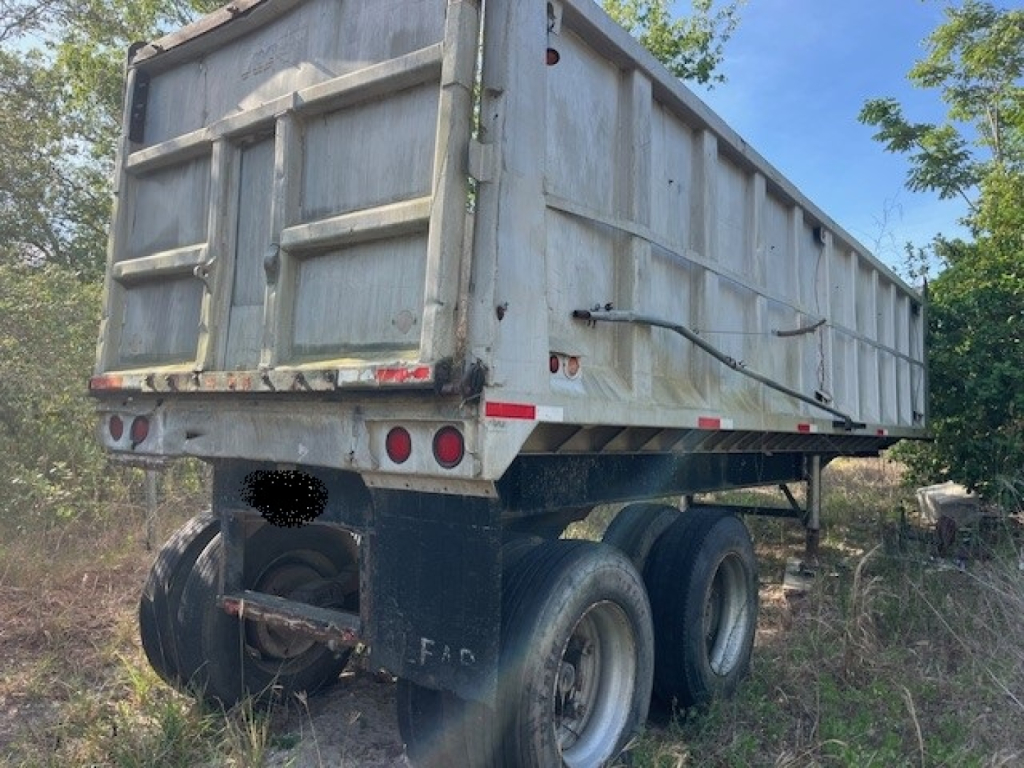
For dump trailers, the main buying questions are body material, hoist condition, hinge wear, and how well the trailer has held up to abrasive material. Steel bodies generally handle demolition, scrap, and heavy aggregate well but can carry more tare weight. Aluminum bodies reduce weight for higher payload but need close inspection for cracking at high-stress points, especially around the doghouse, upper rail, and tailgate structure. Suspension type, axle rating, liner condition, and gate configuration all affect productivity. If the trailer is intended for asphalt, rock, sand, or construction debris, buyers should also inspect the tub or body shape, tarp system, and any signs of twist from uneven loading.
In lowboy and other heavy-haul trailer categories, deck height, deck length, axle configuration, and detachable gooseneck design are the real decision points. A 1977 lowboy may still be useful in farm, construction, or regional equipment service if it has solid main beams, acceptable neck wear, and brakes and suspension that can be economically updated. Key specs in this class include loaded deck height, swing clearance, kingpin setting, outriggers, D-rings, ramp style, and whether the trailer uses air ride or mechanical suspension. Across any 1977 trailer purchase, the best value usually comes from a unit with a sound structure and straightforward repair path, not one with the lowest asking price.
Frequently Asked Questions about 1977 Trailers
What should I inspect first on a 1977 trailer?
Start with the structural areas that are expensive to repair or difficult to replace. That means the main frame rails, crossmembers, kingpin plate, suspension hangers, axle alignment, landing gear mounts, and brake system. On a van, also inspect the floor, roof seams, rear frame, and door openings. On a dump trailer, inspect the hoist, hinges, tailgate, and body cracks. On a lowboy, focus on the neck, deck, beam condition, and any fatigue around axle group mounting points. Cosmetic wear is expected on a trailer of this age, but structural damage and poor parts support should directly affect the buying decision.
Are 1977 trailers still legal to operate on the road?
They can be, provided they meet current registration, lighting, brake, tire, and safety requirements in the jurisdictions where they run. Age alone does not make a trailer unusable, but an older trailer may need updates to wiring, conspicuity tape, ABS-related components on newer retrofit systems, mudflaps, or brake hardware to stay compliant and dependable. Buyers should verify title and VIN information, inspect Federal certification labels if present, and confirm that the trailer can pass the inspections required for its intended use.
Is an older 1977 trailer worth buying for commercial work?
It can be, especially for seasonal, regional, farm, yard, or backup service where absolute uptime is not as critical as on a primary over-the-road lane. The key is matching the trailer to the application and the repair budget. A structurally sound older trailer with serviceable axles, brakes, suspension, and tires can still deliver good value. A cheap trailer with frame issues, obsolete components, or poor prior repairs often becomes more expensive than a newer unit once downtime and shop labor are factored in.
What trailer types are most common when shopping older used trailers?
Dry vans, dump trailers, flatbeds, lowboys, and other equipment-hauling configurations are all common in the older used market. Each category has different wear points. Vans usually show age in floors, roofs, rear frames, and tandem slides. Dumps show wear in hoists, bodies, hinges, and gate hardware. Lowboys and heavy-haul trailers should be evaluated for beam integrity, deck condition, neck fit, and axle group serviceability. Buyers should compare the trailer’s actual configuration to the freight or equipment it will carry rather than shopping by age alone.
How important is parts availability on a 1977 trailer?
Parts availability is one of the most important ownership factors on an older trailer. Standard axles, brake assemblies, hubs, suspension components, lights, and landing gear are easier and cheaper to maintain than proprietary or discontinued systems. Before buying, it helps to identify the axle brand, suspension type, wheel end setup, brake dimensions, and tire size so replacement parts can be sourced quickly. An older trailer with common service parts is usually a better long-term buy than one that requires custom fabrication for routine repairs.