
1974 Trailers For Sale
Browse 1974 trailers for sale, including dry vans, reefers, and flatbeds. Compare lengths, axle setups, suspension, floors, and doors.
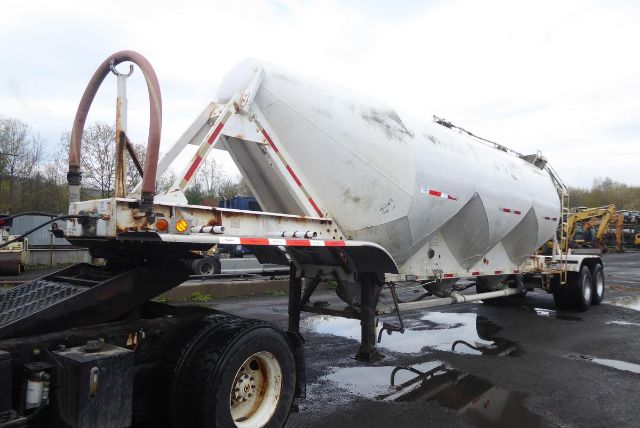
Selling a 1974 trailer? List your 1974 trailer for sale and reach thousands of commercial buyers.
1974 Trailers
For van trailers, buyers usually focus on body composition, floor condition, door style, and running gear. Aluminum roof construction, plywood lining, scuff liners, logistic posts, E-track, and wood floors are common specs that affect both durability and freight versatility. Rear door choice matters more than many buyers expect. Swing doors are simple and durable, while roll-up doors can save dock space and speed urban deliveries. Tandem sliding axle configurations remain popular because they help with bridge law compliance and weight distribution, especially in irregular lane networks or multi-stop freight.
On reefer trailers, the trailer box matters just as much as the refrigeration unit. Buyers should look at insulation integrity, air ride suspension, floor condition, roof material, and axle slide setup in addition to reefer hours and service history. A 53-foot reefer with air ride, aluminum wheels, and a sliding tandem is a common fleet specification for grocery, foodservice, and pharmaceutical lanes. Flatbeds require a different checklist. Deck material, axle spread, suspension type, toolbox storage, dunnage capacity, and securement readiness are key details. Aluminum flatbeds reduce tare weight, while widespread or fixed spread axles can improve load distribution depending on commodity and state regulations.
Condition still drives value more than age alone in this category. Floor wear, crossmember corrosion, roof repairs, brake condition, tire life, suspension wear, and door frame damage all affect operating cost after purchase. Buyers comparing trailers should also verify inside height, outside height, kingpin setting, landing gear condition, wheel type, and tire size, because those details influence payload planning, dock compatibility, and serviceability. A well-matched trailer is not just about price. It is about finding the right body style, axle layout, and specification package for the freight you actually haul.
Frequently Asked Questions about 1974 Trailers
What are the main trailer types buyers compare in this category?
The main trailer types are dry vans, refrigerated trailers, and flatbeds. Dry vans are used for general freight and palletized cargo. Reefers are insulated and designed for temperature-controlled freight. Flatbeds are open-deck trailers built for freight that must be loaded from the side, top, or rear. The right choice depends on commodity type, loading method, and route requirements.
What trailer length is most common for over-the-road freight?
The most common trailer lengths are 48 feet and 53 feet, with 53 feet being the dominant specification for many van and reefer operations. A 53-foot trailer typically gives the best cubic capacity for palletized freight, while 48-foot trailers still appear in some regional, specialized, or weight-sensitive applications. Buyers should also confirm width, inside height, and axle configuration before making a final decision.
Why does axle configuration matter on a trailer?
Axle configuration affects weight distribution, bridge law compliance, tire wear, and maneuverability. Sliding tandems are common on dry vans and reefers because they let the operator adjust axle position for varying load patterns and state bridge requirements. Spread axle and widespread axle setups are more common on flatbeds and can improve load carrying characteristics, but they may reduce maneuverability in tight areas.
What should I inspect on a used trailer before buying?
Key inspection points include floor condition, roof integrity, crossmembers, suspension components, brake wear, tire condition, landing gear, rear frame, door hardware, and signs of structural repairs. On vans and reefers, interior lining, scuff protection, and water intrusion are important. On flatbeds, deck wear, securement points, and frame condition matter most. A lower-priced trailer can become expensive quickly if it needs floor work, brake components, or structural repairs.
Which specs have the biggest effect on trailer usability?
The most important specs usually include length, width, inside height, suspension type, axle setup, floor construction, and rear door style. For dry vans, features like E-track, logistic posts, scuff liners, and roll-up or swing doors affect freight flexibility. For reefers, insulation condition and reefer compatibility are critical. For flatbeds, deck material, dunnage storage, and securement readiness directly affect how efficiently the trailer can be loaded and used.