
New 2024 Parts For Sale
Have new 2024 part to sell? List it here to reach thousands of buyers.
New 2024 Parts
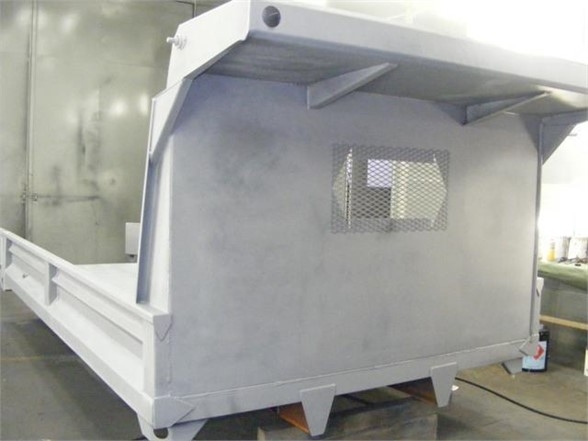
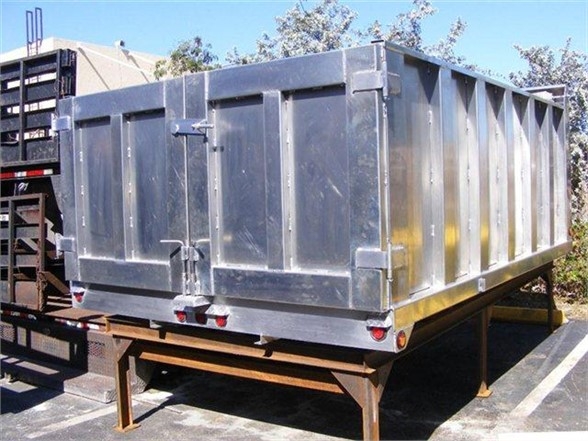
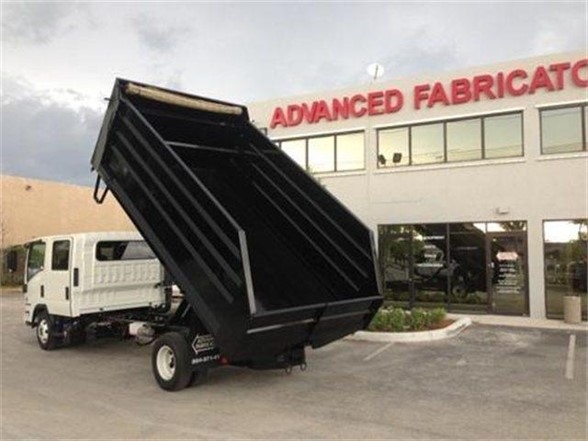
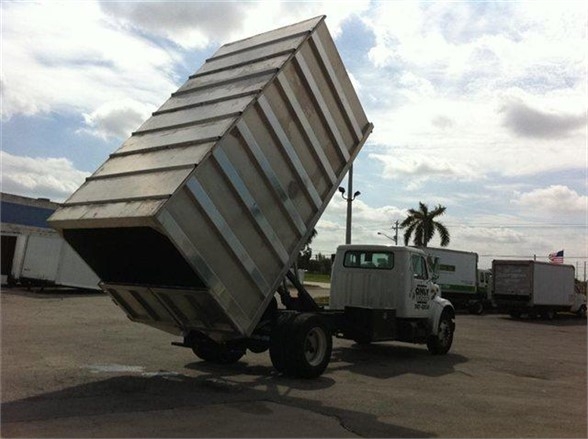
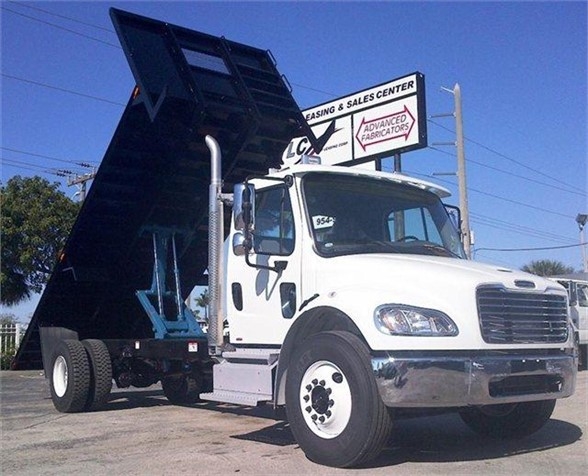
The first buying decision is usually material and intended duty cycle. Aluminum parts and bodies reduce weight and resist corrosion, which matters for landscaping, tree service, municipal work, and operations trying to preserve payload. Steel parts generally cost less up front and remain a strong choice for severe-duty hauling, demolition, aggregate, and mixed-use construction work where impact resistance is more important than tare weight. On dump-related parts, buyers should compare floor thickness, sidewall gauge, crossmember spacing, longsill design, hinge placement, and hoist configuration. Specs such as 3/16-inch plate, 4-inch channel crossmembers on 12-inch centers, structural channel longsills, and electric-over-hydraulic or PTO-driven hoists are common indicators of how the build is intended to perform.
Fitment is just as important as the part itself. A truck body, insert, or accessory has to match frame width, cab-to-axle dimension, rear axle placement, tire clearance, and intended mounting method. A body that looks right on paper can still require major changes if the chassis has the wrong wheelbase, exhaust routing, transmission PTO setup, or rear suspension layout. Buyers should also look closely at installed equipment that affects daily use, including barn doors versus spreader-style tailgates, cab shields, receiver hitches, backup alarms, mud flap brackets, tie-down points, rub rails, and manual or electric tarp systems. For trailer accessories, clamp-on designs that avoid drilling or welding can be attractive when preserving frame integrity and simplifying installation.
For 2024 parts, the value is often in reducing fabrication time and getting current-spec components that are ready for service. New parts can offer cleaner mounting surfaces, updated lighting compliance, unworn hydraulic systems, and fewer unknowns around stress cracks, corrosion, or prior modifications. Buyers comparing listings should think beyond basic dimensions and focus on the complete package: what is included, what still needs to be installed, and whether the part is being sold as body-only, fabricated-only, or with hydraulic and electrical equipment. That approach makes it easier to compare true cost, installation labor, and long-term suitability for the truck or trailer the part is meant to serve.
Frequently Asked Questions about New 2024 Parts
What should I verify before buying a new 2024 truck body or insert?
Confirm chassis compatibility first. That includes cab-to-axle measurement, wheelbase, frame width, axle location, tire clearance, and the mounting method required. You should also verify hoist needs, PTO or electric-over-hydraulic compatibility, rear lighting requirements, hitch or towing provisions, and whether the listing includes installation hardware, tarp equipment, and hydraulic components or only the fabricated body.
Is aluminum or steel better for a dump body or flatbed part?
Aluminum is typically better for operators who want lower empty weight, corrosion resistance, and higher payload potential. Steel is usually preferred for harder impact environments and severe-duty work where abrasion and concentrated loading are common. The better choice depends on material hauled, operating environment, and how long the unit will stay in service before resale or rebuild.
What does body-only mean on a parts listing?
Body-only usually means the sale includes the fabricated truck body or component itself, but not the complete truck. In many cases, installation, PTO setup, hydraulic plumbing, electrical integration, paint touch-up, and chassis modifications may be separate. Buyers should read closely to see if the listing includes items such as hoists, power packs, lights, cab protectors, mud flaps, or tarp systems, because body-only listings can vary widely in completeness.
Are clamp-on trailer accessories a good alternative to welded systems?
Clamp-on accessories can be a strong option when you want to avoid drilling or welding on the trailer frame. They can reduce installation time, preserve frame coatings, and make it easier to remove or reposition the accessory later. The key is to confirm frame compatibility, clearance, weight capacity, and how the mounting system behaves under vibration, off-road use, and repeated loading.
Why do specs like crossmember spacing and longsill design matter on new parts?
These details directly affect strength, rigidity, and service life. Closer crossmember spacing helps support the floor under concentrated loads, while heavier longsills improve how the body carries weight and transfers stress into the chassis. Buyers hauling brush, aggregate, pallets, equipment, or demolition debris should pay close attention to these structural specs because they often determine how well the part holds up over time.