
Parts For Sale in New York
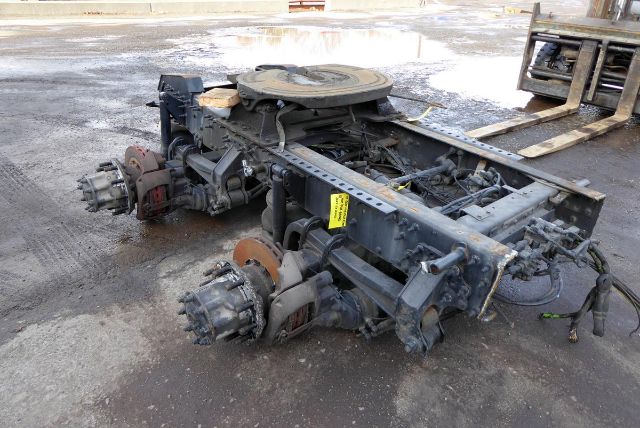
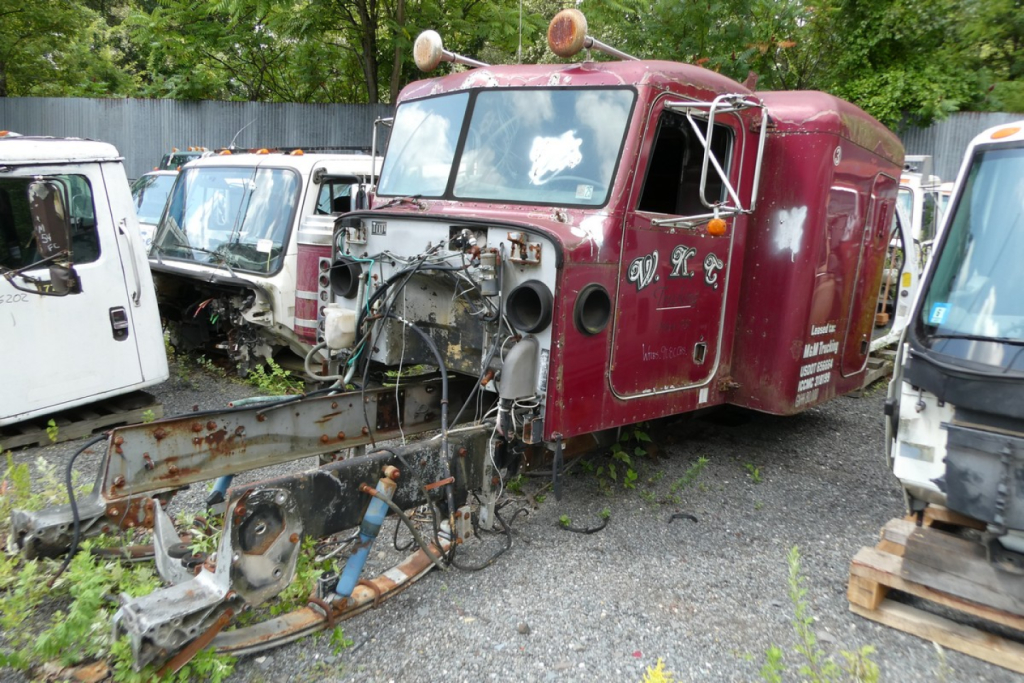
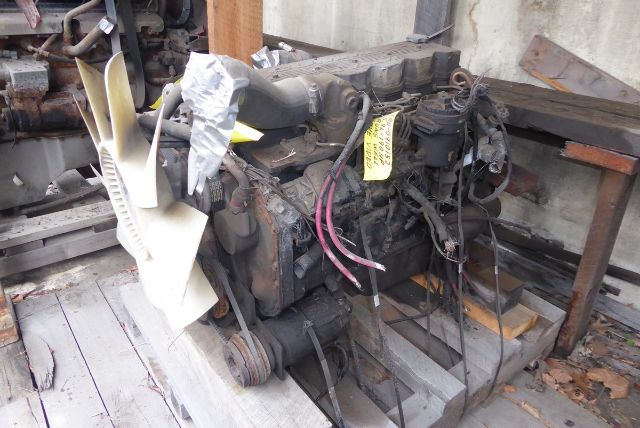
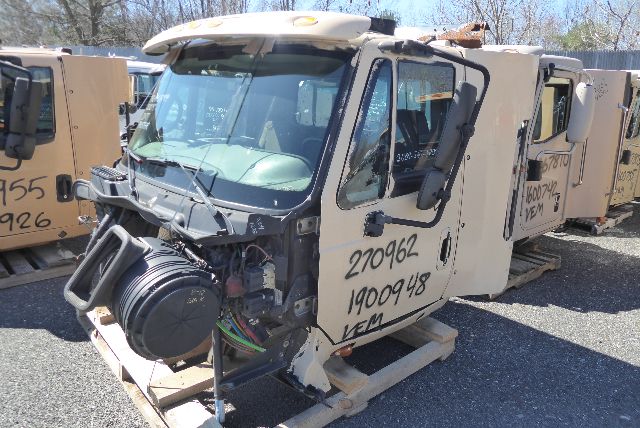
New and used truck parts for sale in New York, including engines, transmissions, cabs, hoods, doors, and heavy-duty components.
Selling a part? List your part for sale and reach thousands of commercial buyers.
Parts in New York
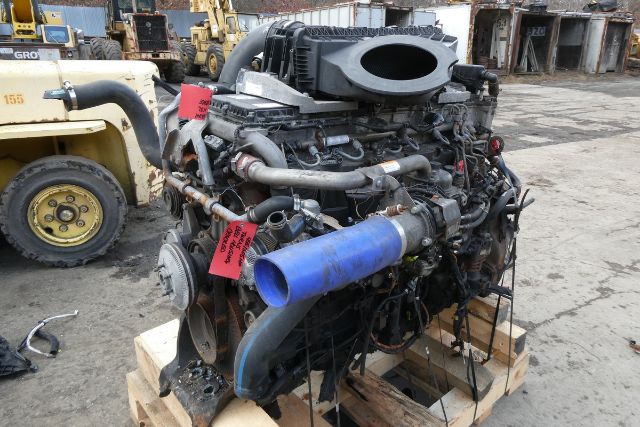
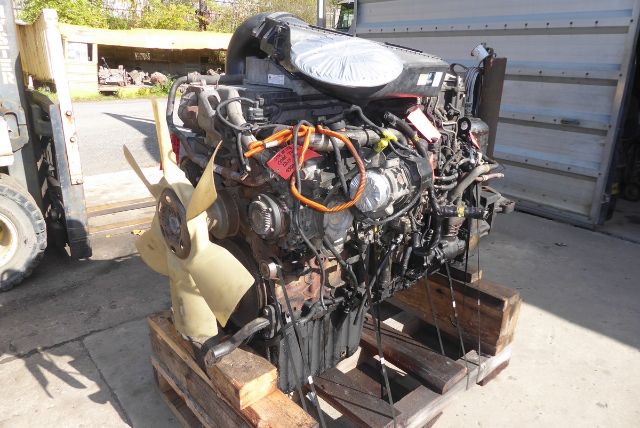
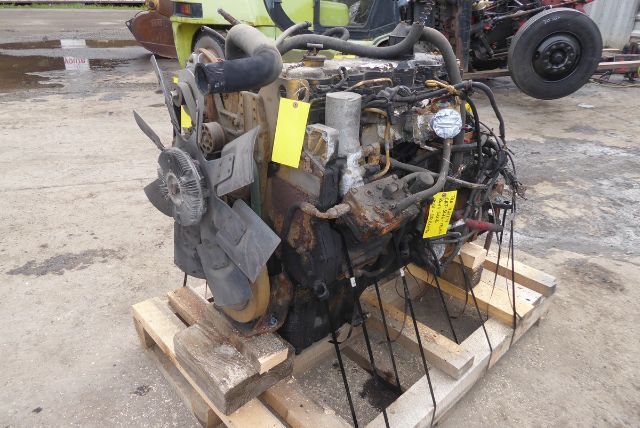
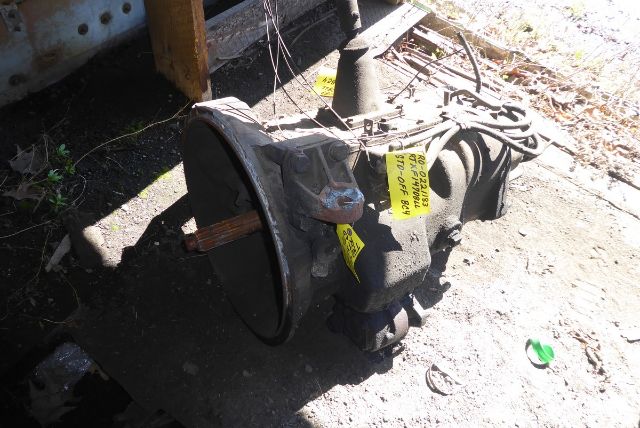
Used truck parts can be a cost-effective repair path when uptime matters and a full new OEM replacement is hard to justify. Buyers typically compare three conditions: used take-out parts, tested running assemblies, and core components intended for rebuild. That difference is especially important with major driveline items. A good take-out Eaton Fuller transmission, a running medium-duty diesel engine, or a complete cab can reduce repair time if the part is properly documented and inspected. On higher-value components, it pays to verify serial numbers, casting numbers, gear ratios, bell housing pattern, sensor package, and any included accessories such as turbos, ECMs, starter assemblies, or clutch linkage.
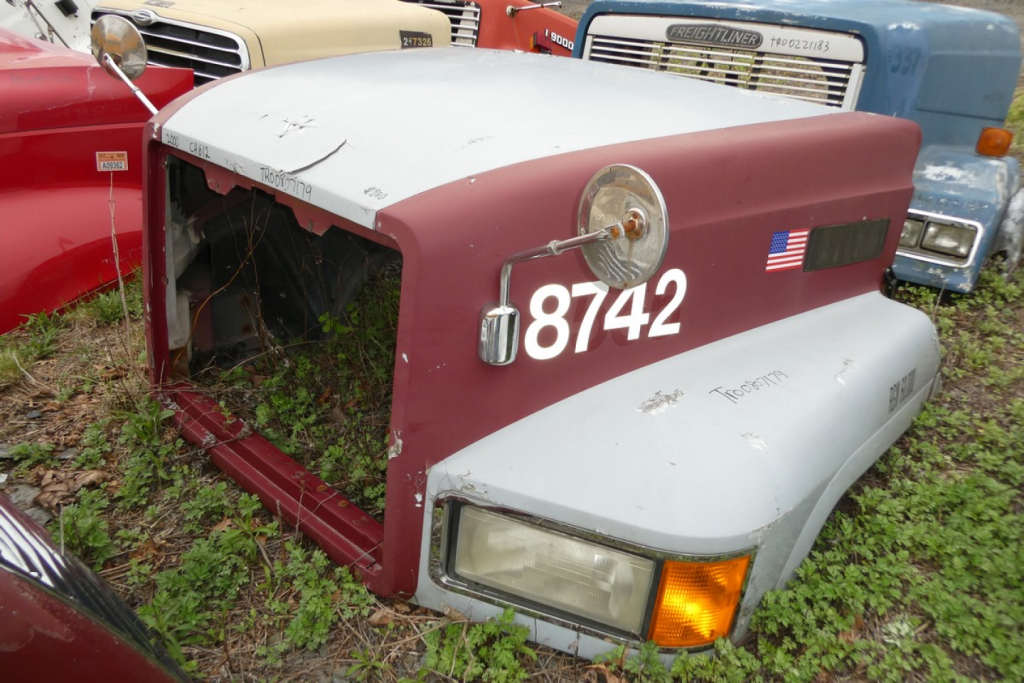
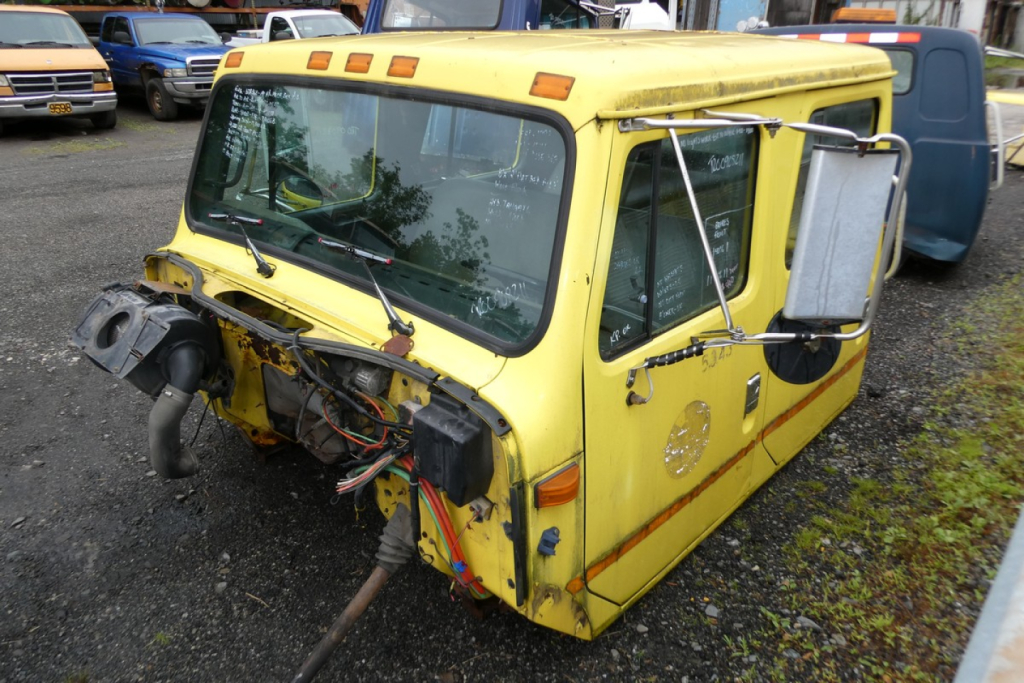
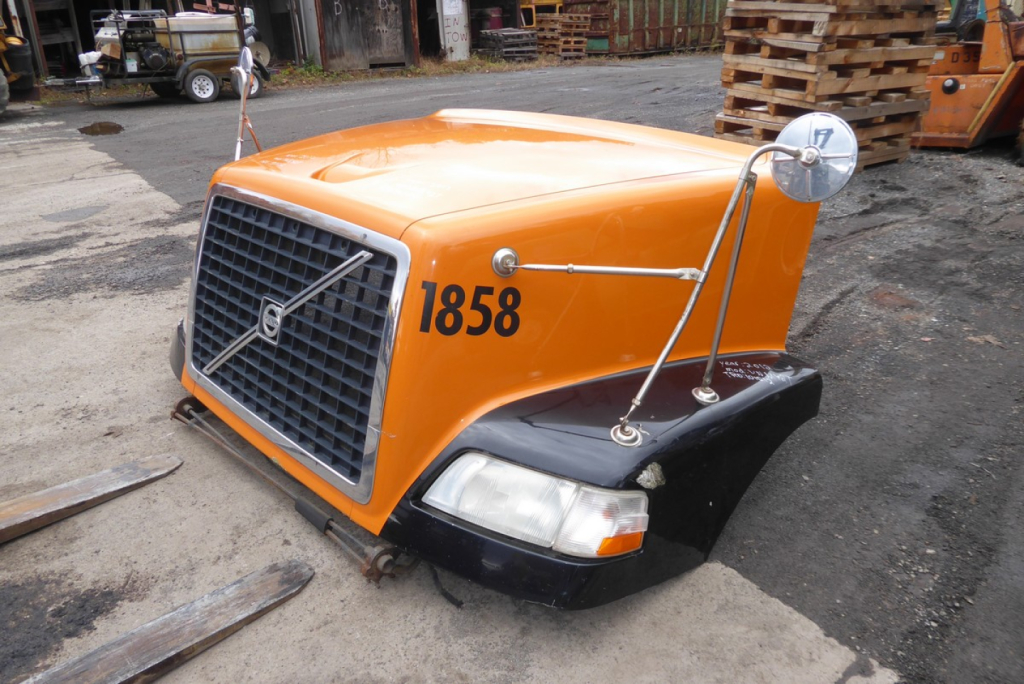
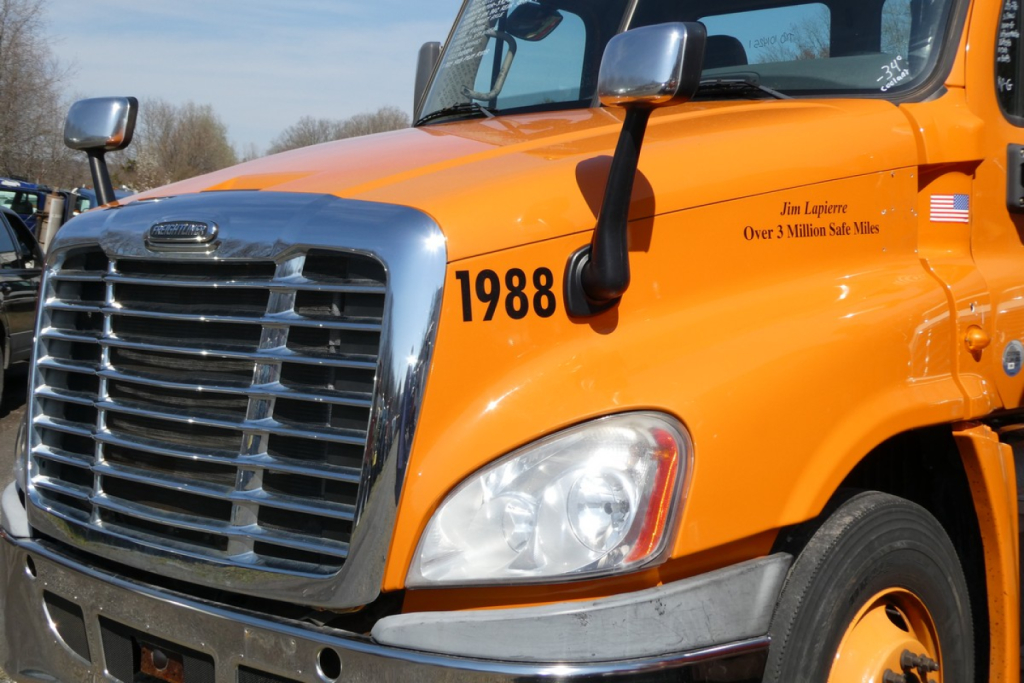
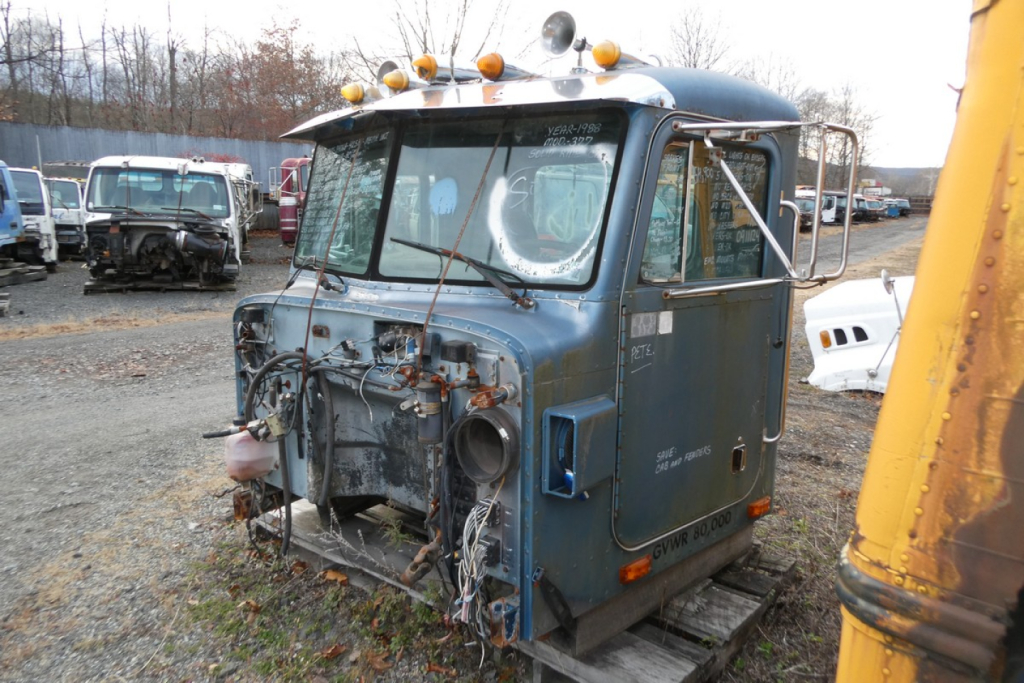
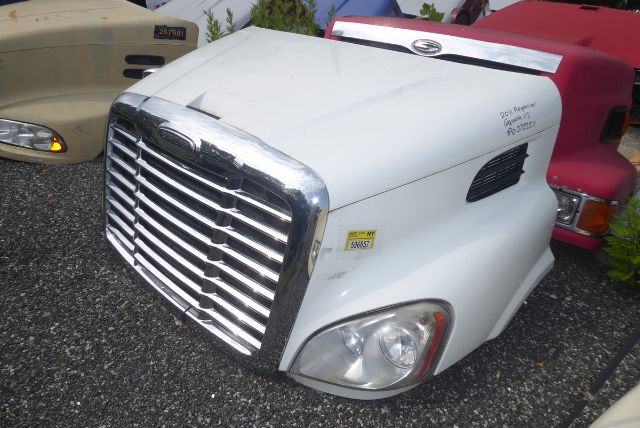
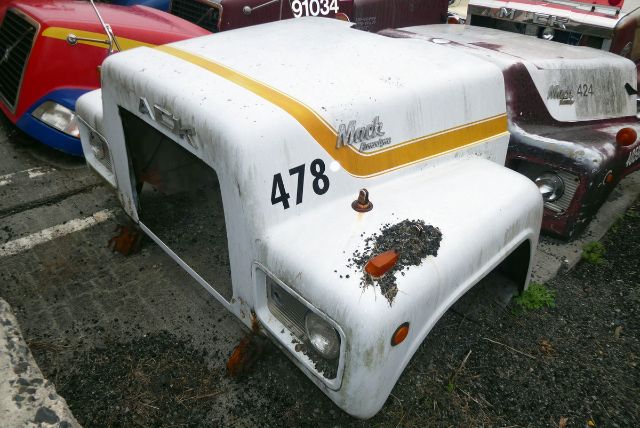
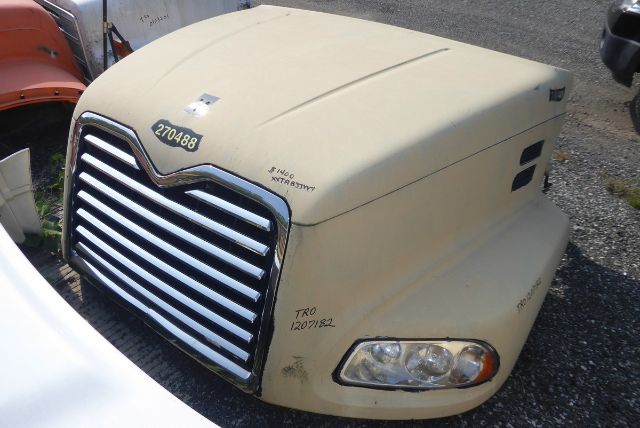
Body and cab parts deserve the same level of scrutiny as powertrain components. A replacement cab, hood, or loose door should be checked for hinge placement, latch style, headlamp configuration, corrosion, and prior repair work. In northern markets like New York, rust exposure is a real factor, particularly on cab corners, supports, steps, floors, and mounting points. Buyers looking at salvage or recycled heavy-duty truck parts should also confirm whether the part is sold complete or stripped, since mirrors, trim, glass, wiring, dash components, and steering columns may or may not be included.
For fleet operators, owner-operators, and repair shops, the best parts purchases are the ones that solve the repair without creating new compatibility problems. Engines, transmissions, and rear-end related parts should be matched to the truck’s intended duty cycle, not just what bolts in. Medium-duty and heavy-duty truck parts often interchange across several years, but small changes in emissions equipment, electronics, and chassis spec can affect installation time and total repair cost. Clear part identification, condition notes, and application details are what separate a usable replacement part from an expensive guess.
Frequently Asked Questions about Parts in New York
How do I make sure a used truck part will fit my truck?
The safest approach is to match the part by VIN, OEM part number, serial number, and application details rather than by make and model alone. For engines and transmissions, confirm the engine serial number, transmission tag, horsepower rating, emissions level, sensor layout, and mounting configuration. For body parts, check model year range, cab style, headlight setup, latch location, and any chassis-specific differences. Small spec changes can turn a low-cost part into a time-consuming installation problem.
What is the difference between a core engine, a running engine, and a good take-out part?
A core engine is typically sold as a rebuildable unit and may not be ready for installation without internal work. A running engine has been operated and is generally sold as a usable assembly, though buyers should still confirm test results, blow-by, oil pressure, and included components. A good take-out part usually means it was removed from a truck in usable condition, such as a transmission, axle, or cab assembly, but condition standards can vary. The more documentation available, the better the buying decision.
Are used truck parts a good option for fleets and repair shops?
Used truck parts can make strong economic sense when the priority is restoring service quickly and controlling repair cost. Fleets often use recycled cabs, hoods, doors, transmissions, and engines for older trucks where new OEM replacement pricing is difficult to justify. The main advantage is value, but that value depends on accurate fitment, realistic condition grading, and understanding what is included with the part. For mission-critical repairs, documented take-out parts are usually preferable to unverified cores.
What should I inspect on used cabs, hoods, and doors in New York?
In New York and other rust-belt markets, corrosion is one of the first things to inspect. Look closely at cab mounts, cab corners, floor structure, door bottoms, hinge areas, supports, and any lower seams where moisture and road salt collect. On hoods, inspect fiberglass for stress cracks, prior repairs, mounting point damage, and alignment issues. On doors, verify shell condition, latch operation, glass, regulator function, and whether trim or internal hardware is included.
What details matter most when buying a used transmission?
Transmission buyers should verify model number, speed configuration, bell housing pattern, input and output specs, shifter setup, and whether the unit is overdrive, direct drive, or low-low. For manuals such as Eaton Fuller units, check if it is an 8LL, 10-speed, 13-speed, or 18-speed and confirm it matches the truck’s engine torque and intended application. Also ask about condition status such as good take-out, inspection history, and whether a core exchange is part of the transaction.