
Cab Parts For Sale in New York
Browse cab parts for heavy-duty trucks, including doors, shells, panels, interior trim, glass, and mounting components for common makes.
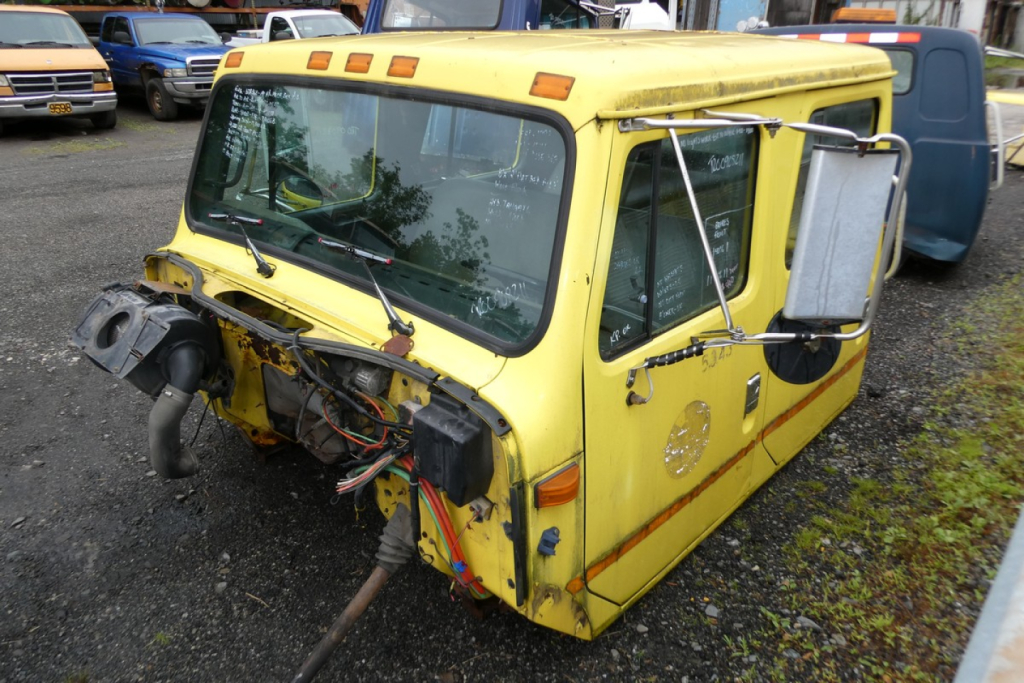
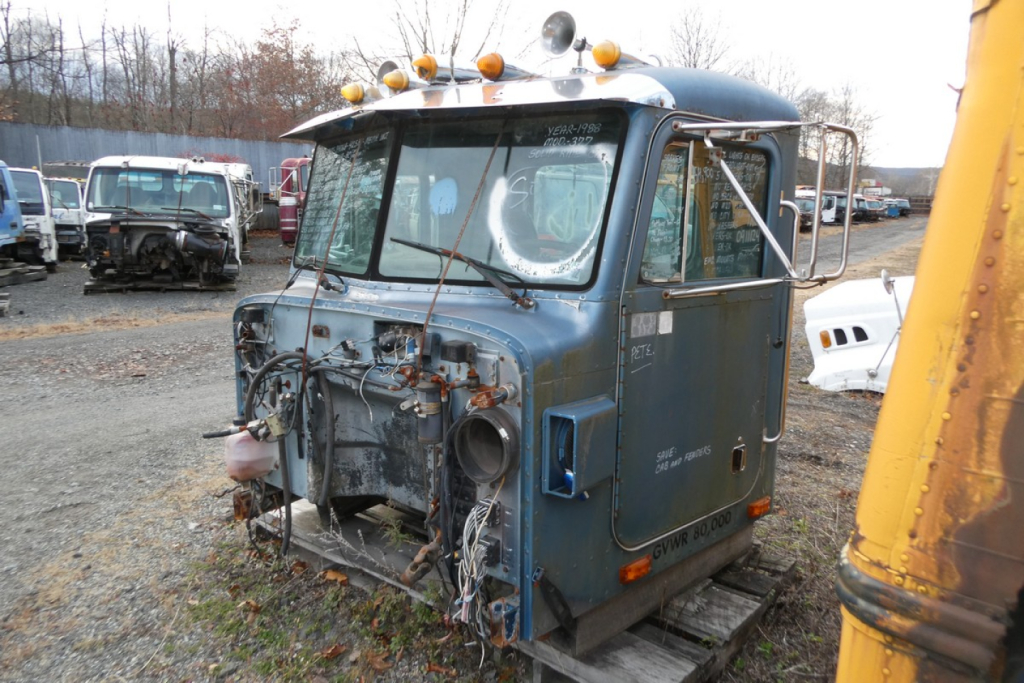
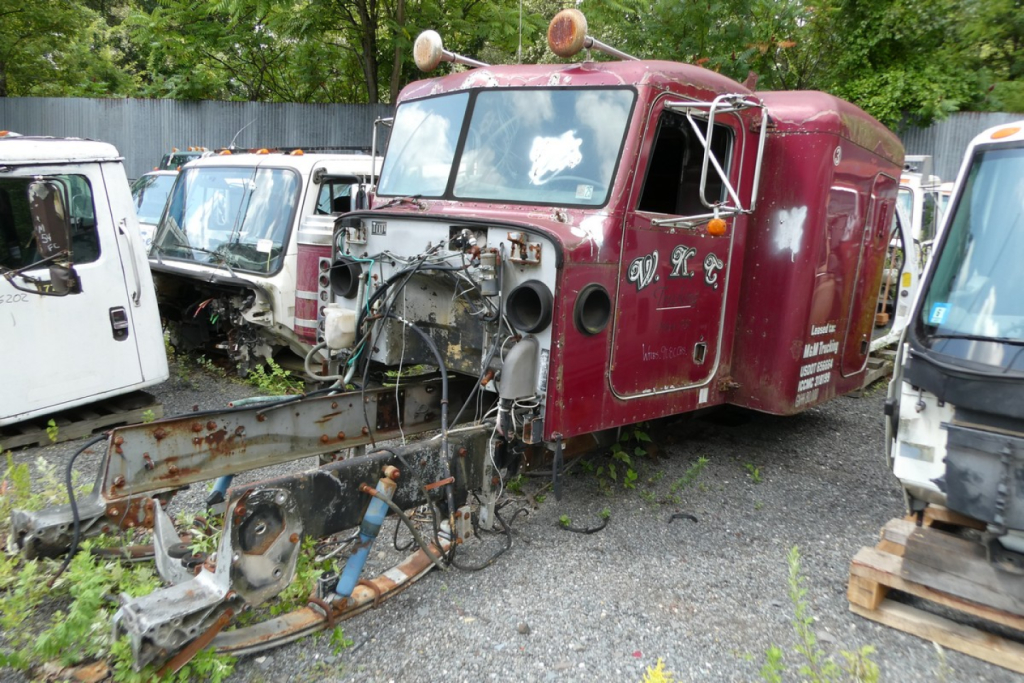
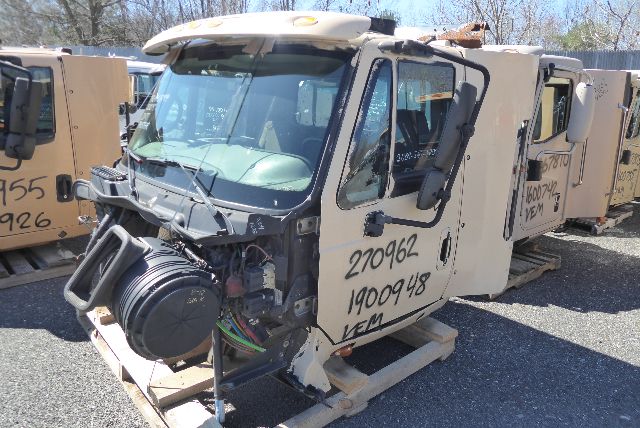
Selling a cab part? List your cab part for sale and reach thousands of commercial buyers.
Cab Parts in New York
For heavy-duty trucks, the most commonly sourced cab parts include doors, door skins, window regulators, latches, mirrors, dash assemblies, sleeper pass-through trim, firewall sections, and cab suspension components. Complete cabs may be sold bare or with partial assemblies still attached, such as wiring, HVAC housings, steering columns, pedals, or seat bases. That detail affects both installation time and total repair cost. Buyers comparing a complete cab to individual parts should look closely at rust in the floor pan, cracks near mount points, prior repair work, windshield frame condition, and whether key structural areas are straight. On conventional models like long-nose Peterbilts and medium-duty International platforms, interchange can vary by production year and cab revision, so OEM part numbers and VIN-based verification are worth the extra step.
Condition matters as much as compatibility. Used cab parts in New York often need extra scrutiny for corrosion, especially around lower door seams, cab corners, rocker panels, windshield channels, and any area that traps salt and moisture. Cab mount brackets, support braces, and inner door structures can deteriorate long before exterior paint shows the full story. If the part includes electrical content such as power window switches, lighting, gauge clusters, or dash harness sections, confirm connector style and check for cut wiring. For complete cabs, buyers should also confirm if the unit came from a day cab, quad cab, or sleeper-equipped truck, since back wall design, interior trim, and mounting provisions can change substantially.
The best cab part choice depends on the repair goal. A body shop may want a clean shell with minimal teardown, while an owner-operator may be looking for a door, seat frame, mirror bracket, or replacement dash panel to keep an older truck serviceable. For rebuild projects, it helps to confirm what is included and what is missing before purchase, especially seats, mirrors, glass, dash components, and exterior hardware. Cab parts are often judged on straightness, rust level, completeness, and interchangeability more than cosmetics alone. A solid structural piece with correct fit can save many labor hours compared with modifying the wrong cab or chasing small missing components after the fact.
Frequently Asked Questions about Cab Parts in New York
What should I verify before buying a used truck cab or cab part?
Confirm the make, model, year, cab configuration, and where possible the VIN or OEM part number. Truck manufacturers often change hinges, mounts, dash layouts, wiring connections, and glass dimensions across production runs. It is also important to verify whether the part comes bare or includes components like regulators, latches, wiring, seats, or trim, because that directly affects installation time and total cost.
Are cab parts interchangeable across different years of the same truck model?
Sometimes, but not reliably enough to assume. Many heavy-duty and medium-duty trucks keep the same general cab shape for years while receiving mid-cycle revisions to doors, dashboards, mounting points, or electrical systems. A part may look correct and still require modification or fail to fit properly. VIN-based interchange checks and OEM number cross-references are the safest way to confirm compatibility.
What rust areas are most common on used cab parts?
The most common corrosion areas are cab corners, rocker panels, lower door seams, floor pans, windshield frames, and cab mount locations. In northern states, road salt can also damage inner door structures, braces, and lower support sections that are not obvious in photos. Buyers should inspect both exterior panels and hidden structural areas because cosmetic condition does not always reflect the true integrity of the part.
Is it better to buy a complete cab or individual cab parts?
That depends on the scope of the repair. A complete cab can reduce labor and simplify a major rebuild after rollover, collision, or severe rust damage. Individual cab parts make more sense when the truck only needs a door, dash section, floor repair area, or a few interior components. The decision usually comes down to total installed cost, parts completeness, and how much existing structure on the truck is still usable.
Do complete cabs usually include interior and electrical components?
Not always. Some complete cabs are stripped shells, while others include dash assemblies, wiring, glass, steering columns, HVAC components, or seat bases. Buyers should never assume completeness based on the term complete cab alone. The exact included components should be confirmed in writing, especially if the repair depends on matching electrical connectors, dash hardware, or interior trim pieces.