
Hood Parts For Sale in New York
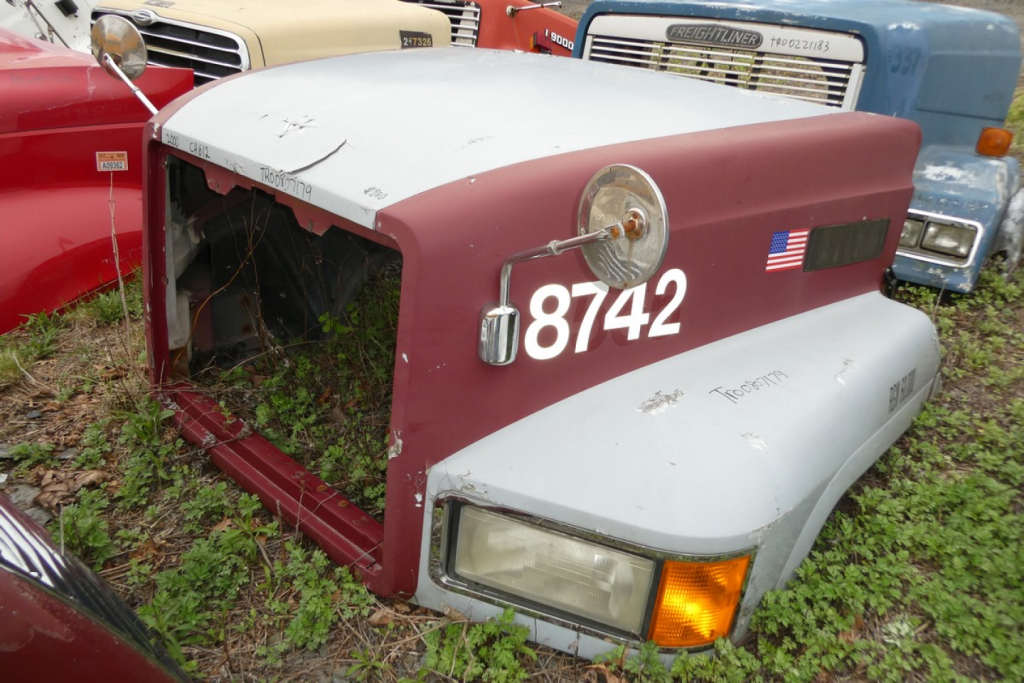
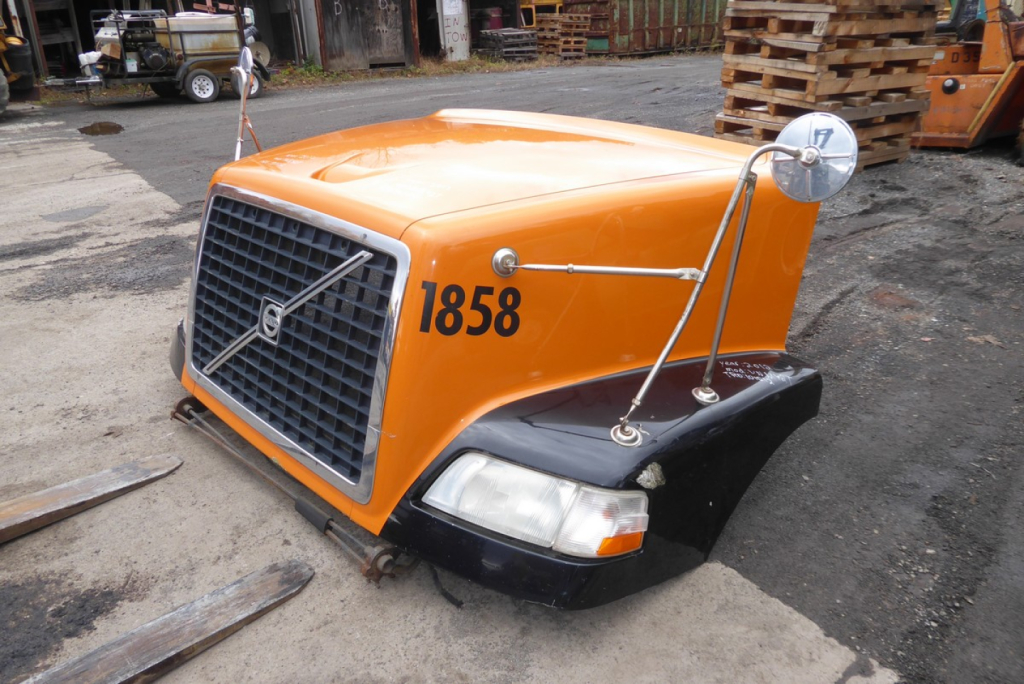
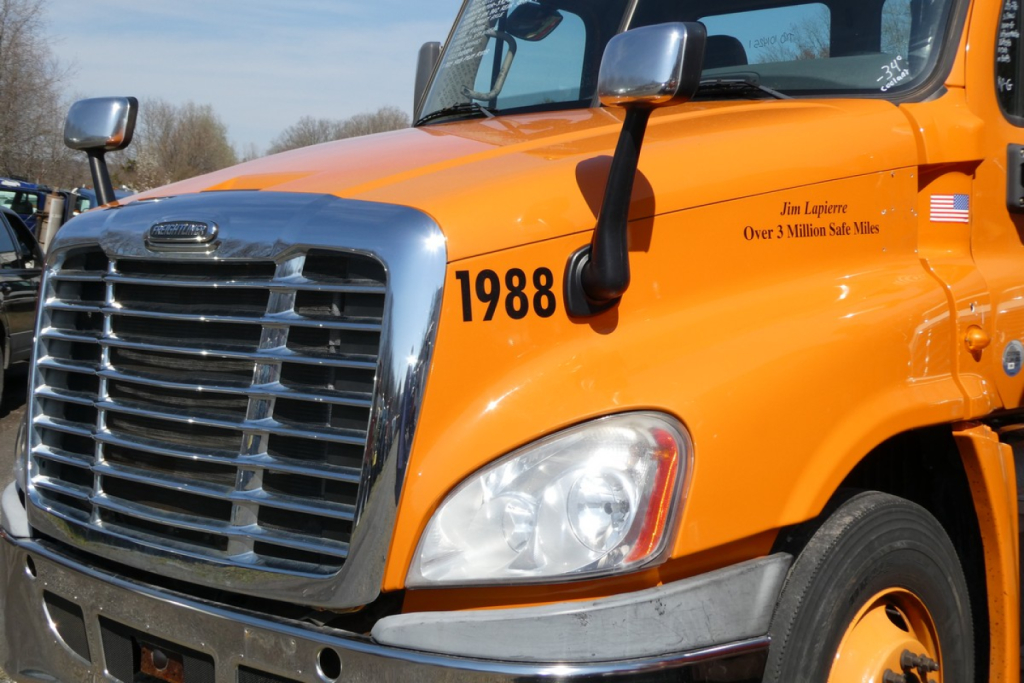
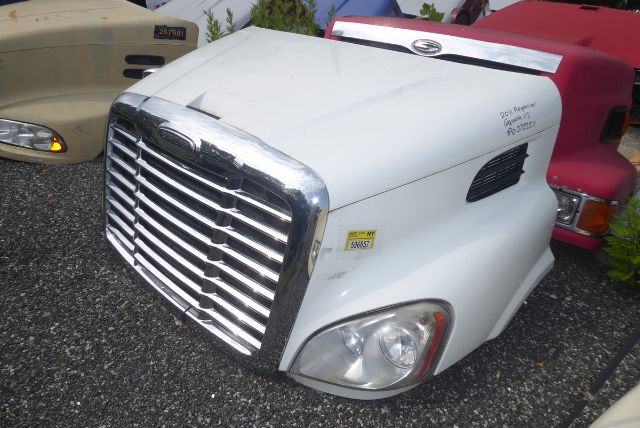
Shop commercial truck hoods for Mack, Volvo, and Freightliner models. Compare fitment, material, mounting points, and condition.
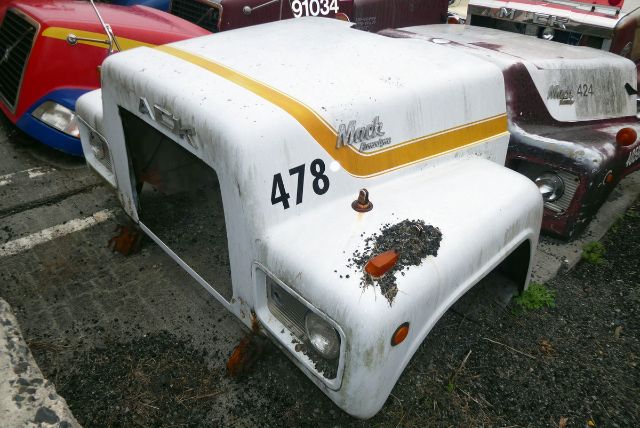
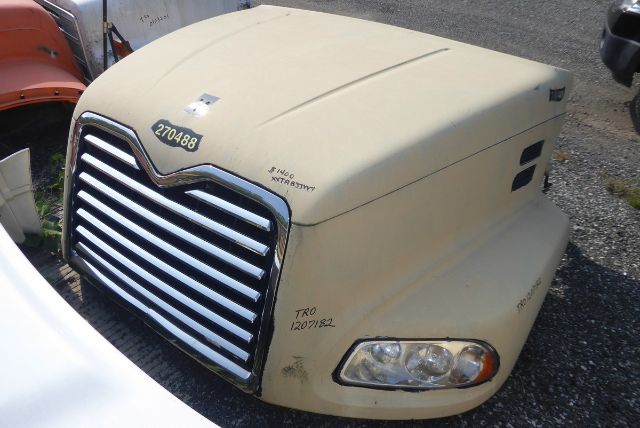
Selling a hood part? List your hood part for sale and reach thousands of commercial buyers.
Hood Parts in New York
Material matters. Most late-model truck hoods are fiberglass or composite, while older applications may have heavier construction and model-specific contours that are harder to match. A buyer should closely compare hinge locations, rear edge-to-cowl fit, bumper clearance, headlamp openings, grille style, and the position of hood-mounted air intakes if equipped. On aerodynamic tractors like Freightliner Cascadia and Volvo VNM, small differences in front clip design can affect latch alignment and panel gaps. On classic or vocational models such as Mack R Model or CXU series, the hood shape, fender profile, and radiator support relationship are just as important as the outer dimensions.
Condition should be evaluated beyond paint. Look for stress cracks around hinge points, repaired fiberglass, spider cracking near latch areas, broken mounting tabs, worn bushings, and distortion from front-end impact. If the hood is being sourced for a working truck in New York, corrosion on hardware, support brackets, and latch components is worth checking even when the shell itself is composite. Buyers also benefit from confirming whether the hood is bare or complete, since a complete assembly with grille, headlights, and hardware can reduce labor and improve color-match options, while a bare hood may make more sense for a full repaint or custom rebuild.
The best hood purchase is the one that minimizes downtime and body-shop rework. Matching OEM part numbers is ideal, but experienced buyers also confirm donor truck specs, cab configuration, axle set-back or set-forward layout where applicable, and known interchange years. For fleets, body shops, and owner-operators, the practical questions are simple: does it fit correctly, does it latch and tilt properly, and how much prep will it need before going back on the road. Those answers matter more than appearance alone.
Frequently Asked Questions about Hood Parts in New York
How do I confirm a truck hood will fit my make and model?
Start with the exact truck make, model, and model year, then verify OEM part numbers or documented interchange years. After that, compare hinge style, latch placement, headlight openings, grille design, and cowl fit. A hood can look correct from the front and still require modification if the mounting points or front-end components differ.
Are truck hoods interchangeable across multiple years?
Many are, especially on models that kept the same front-end design over a production run, but interchange is rarely universal. Changes in grille shape, headlamp assemblies, emissions-era updates, and bracket revisions can affect compatibility. Confirm the interchange by year range and component layout before buying.
What should I inspect on a used fiberglass truck hood?
Pay close attention to stress cracks, previous fiberglass repairs, damage around hinges and latch areas, and any distortion along the rear edge or fender sections. Also inspect the underside structure, mounting points, and hardware. Cosmetic paint issues are less important than structural soundness and proper alignment.
Is it better to buy a complete hood assembly or a bare hood shell?
A complete assembly can reduce installation time because the grille, lights, mounts, and related hardware are already matched to the hood. A bare shell may cost less up front and works well if the existing components can be transferred or if the truck is going through paint and body work anyway. The better choice depends on downtime, labor cost, and parts availability.
Why does hood fitment matter so much on aerodynamic tractors?
Aerodynamic tractors rely on tight panel gaps and correct latch alignment for both appearance and function. Poor hood fit can cause rubbing, vibration, water intrusion, headlight misalignment, and premature wear at hinges and latches. On highway trucks, a hood that fits correctly also helps preserve service access and front-end durability.