
2000 Parts For Sale
Shop 2000 parts for sale including engines, cabs, hoods, dump bodies, and truck components for heavy-duty commercial trucks.
Selling a 2000 part? List your 2000 part for sale and reach thousands of commercial buyers.
2000 Parts
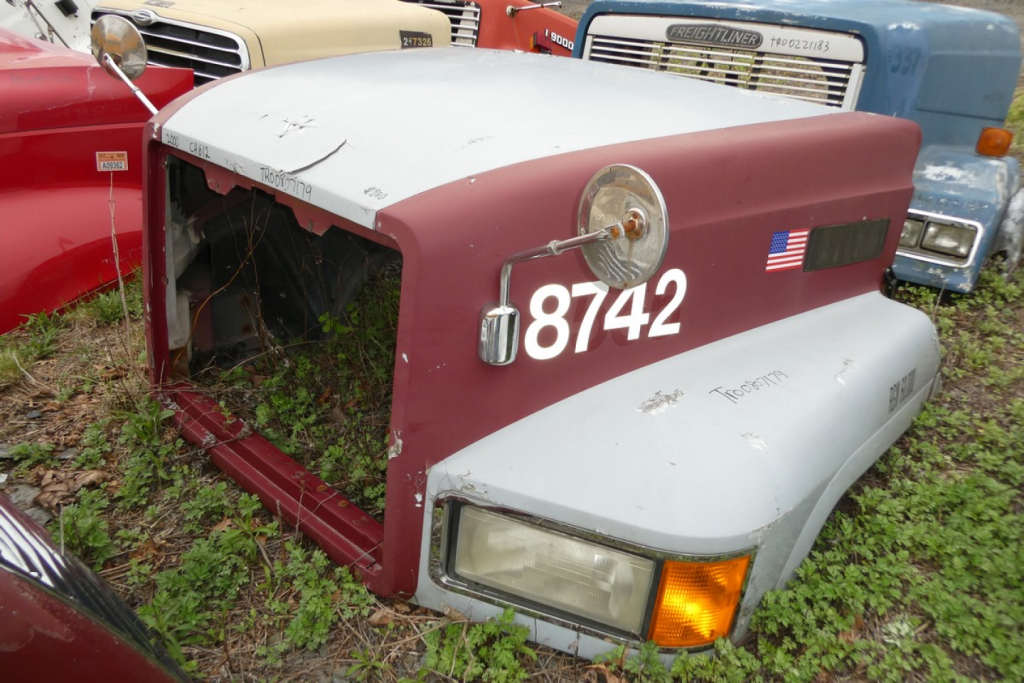
The parts mix in this category often includes engines, hoods, cabs, doors, dump bodies, inserts, and other truck body components. For powertrain parts, pay attention to serial numbers, CPL or arrangement numbers, horsepower rating, ECM compatibility, and whether the assembly is complete or long block only. For sheet metal and cab parts, buyers usually look closely at rust, hinge wear, mounting points, grille configuration, and damage around latch areas or fender edges. With body equipment such as dump bodies or inserts, common decision points include material type, floor thickness, side height, crossmember spacing, hoist compatibility, and electrical or hydraulic requirements.
Condition matters as much as the part description. Used truck parts can offer strong value when the seller provides clear photos, measurements, casting numbers, and any test results or warranty terms. Rebuilt and take-out components are typically evaluated differently than new surplus or new body equipment, so it helps to confirm what work has been performed before purchase. For engines and other high-value assemblies, buyers should ask about run-test results, internal inspection, oil sample history if available, and whether accessories are included. For cabs, hoods, and doors, shipping method and damage prevention during transit are practical factors that can affect total cost.
A smart 2000 parts purchase starts with matching the component to the truck's exact application and the job it needs to do. A vocational truck may need heavier body hardware and reinforced mounting provisions, while a highway tractor may place more emphasis on aerodynamic panels, fuel system components, or engine platform interchange. The best listings in this category usually make it easy to confirm fit, condition, and completeness so a buyer can compare options quickly and reduce downtime.
Frequently Asked Questions about 2000 Parts
What should I verify before buying 2000 truck parts?
Start with the truck's VIN, model designation, engine serial number, and any chassis or cab configuration details that affect interchange. On 2000-model commercial trucks, small production changes can alter wiring, mounts, brake components, body fit, or engine electronics. Buyers should also confirm whether the part is complete, missing accessories, or sold as a core or rebuildable unit.
Are 2000 truck parts interchangeable with nearby model years?
Sometimes, but interchange should never be assumed from model year alone. Many heavy-duty trucks share components across several years, yet changes in emissions equipment, hood design, dash wiring, engine controls, suspension options, or body mounting can create fitment issues. Cross-checking part numbers, casting numbers, and VIN-specific information is the safest approach.
What matters most when buying a used engine from this category?
Engine buyers usually focus on serial number, horsepower rating, mileage or hours, test history, warranty coverage, and what accessories are included with the sale. It is also important to confirm whether the engine is a complete take-out, a long block, or a rebuilt assembly. Run-test documentation, internal inspection details, and ECM compatibility can make a major difference in value and installation time.
How do I evaluate used cab, hood, and body parts?
Look for structural condition first, not just cosmetic appearance. Buyers should inspect rust, stress cracks, previous repairs, hinge wear, latch alignment, mounting points, and any deformation around corners or support areas. For dump bodies and inserts, material thickness, floor condition, side construction, tailgate setup, and hoist or hydraulic compatibility are key buying factors.
Why do complete listing details matter so much for truck parts?
Detailed listings reduce the risk of buying a part that fits poorly, arrives incomplete, or requires extra rework before installation. Clear dimensions, photos, serial numbers, casting numbers, and notes on condition help buyers compare options accurately. On higher-value components, that information can shorten downtime, improve repair planning, and lower the total installed cost.