
Other Trailers For Sale in Florida
Browse other trailers for sale in Florida, including specialty, dry van, and mixed-use trailer types with varied lengths, specs, and applications.
No exact matches found for your search
Showing Other Trailers instead.
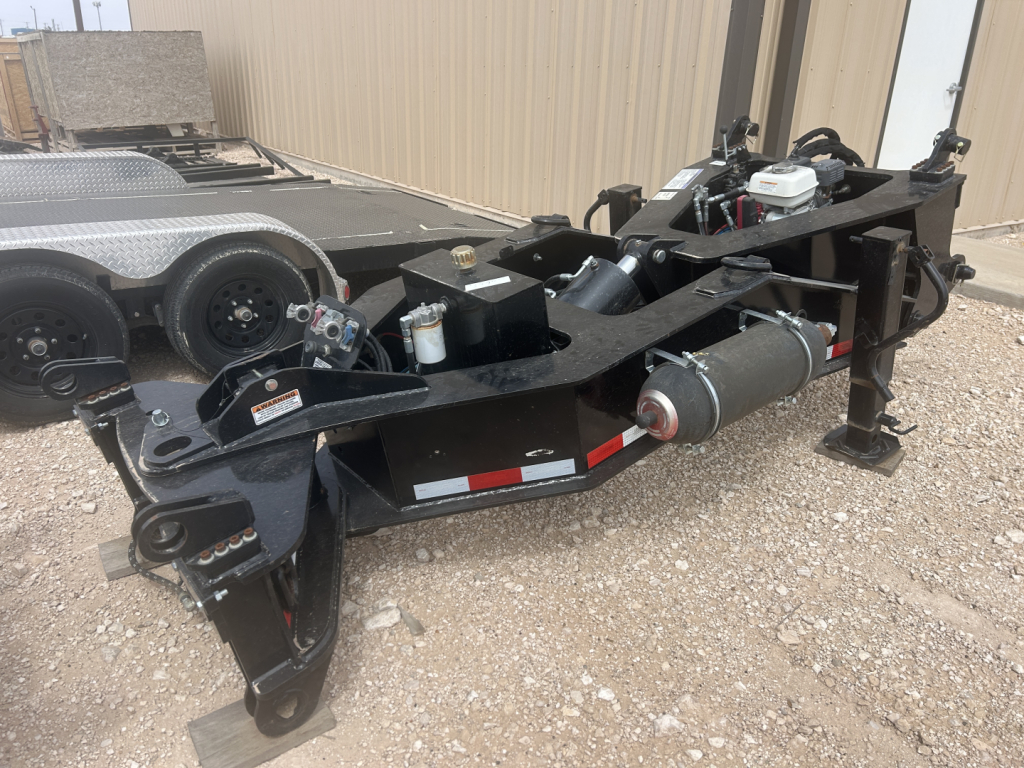
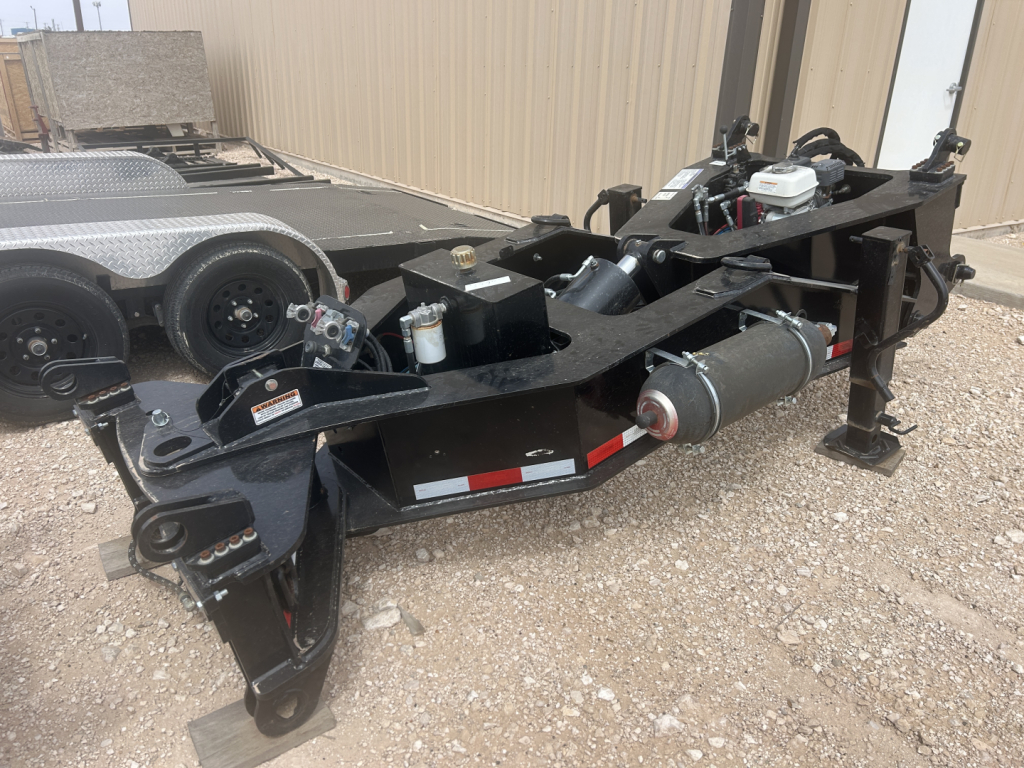
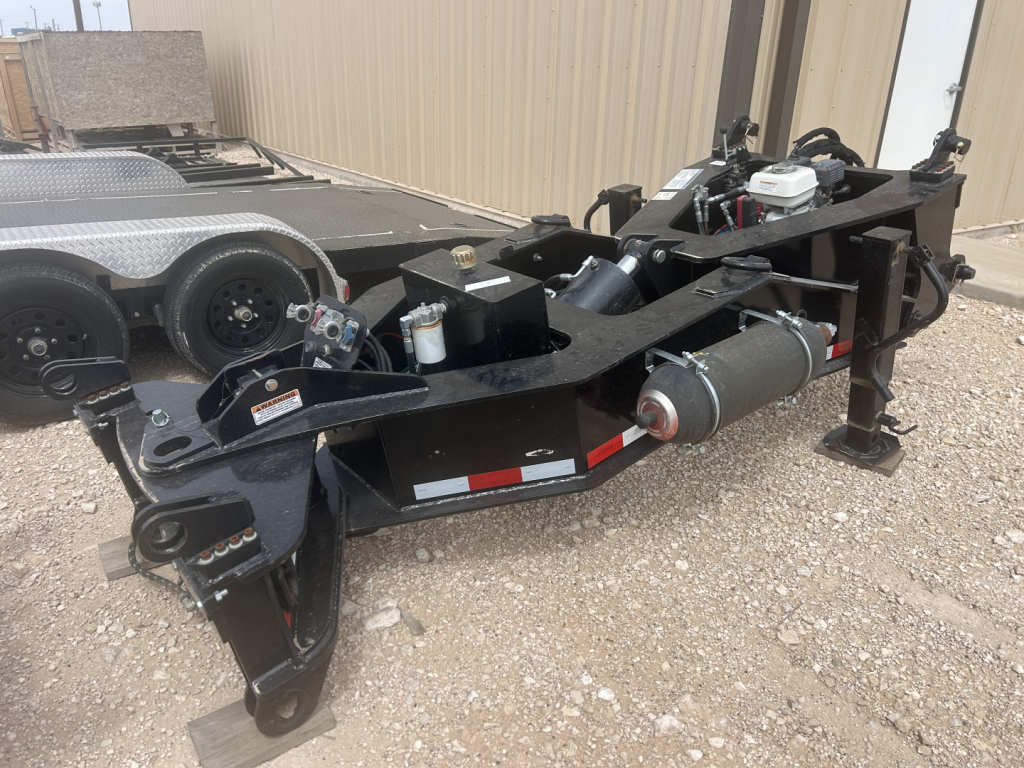
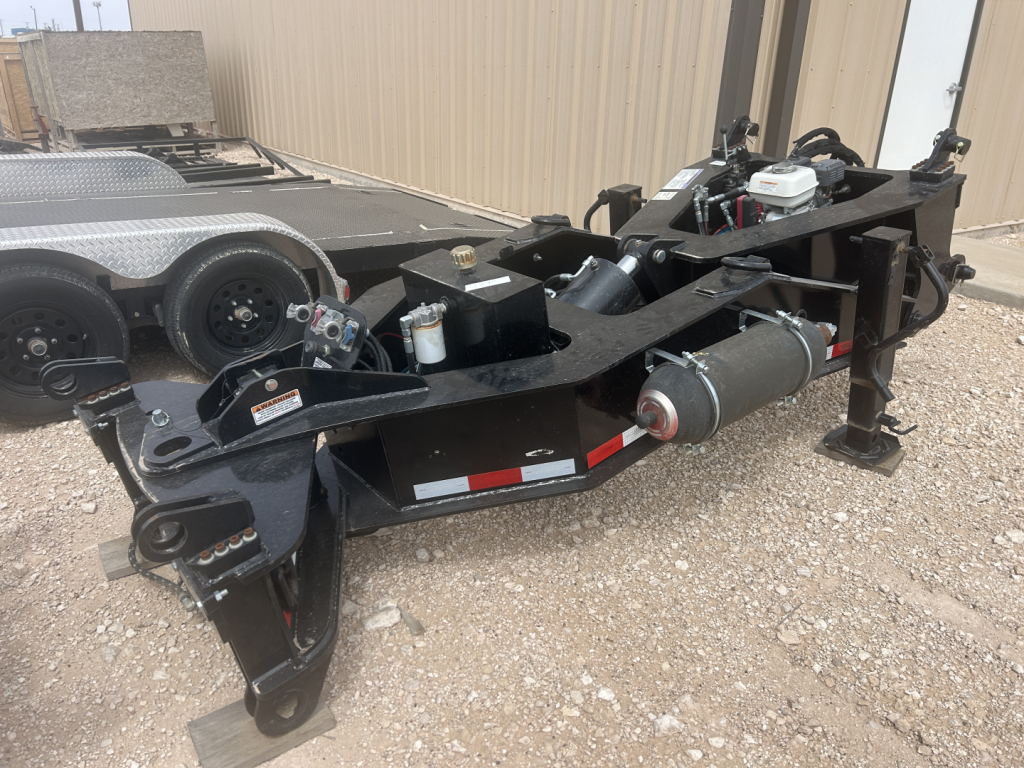
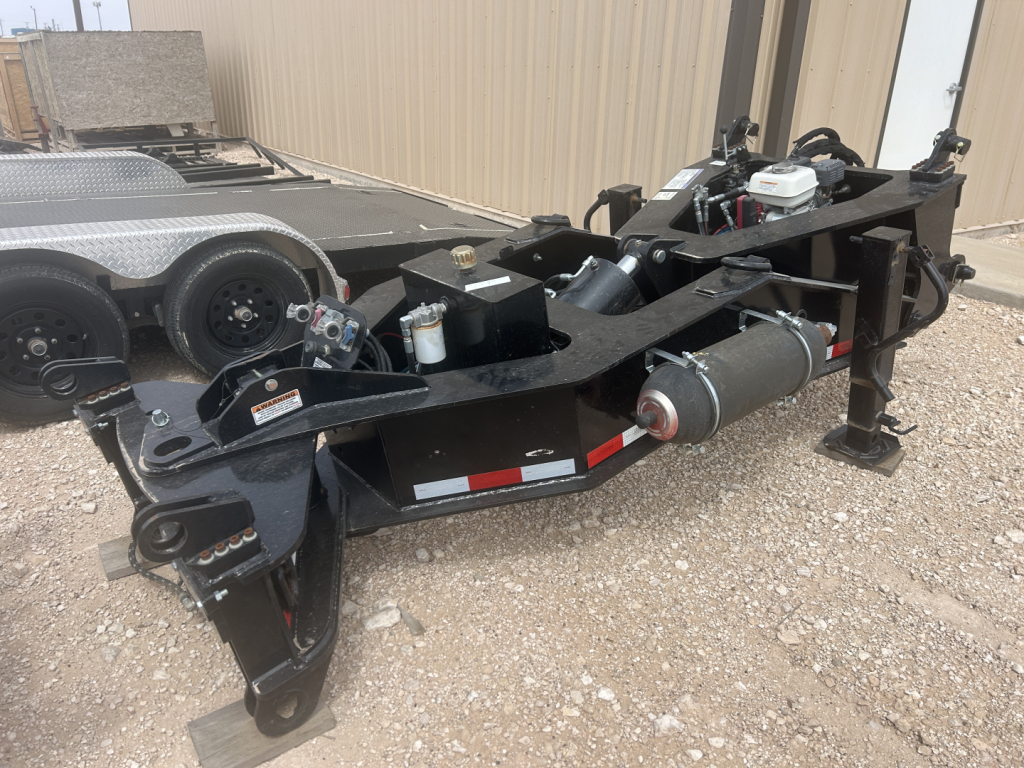
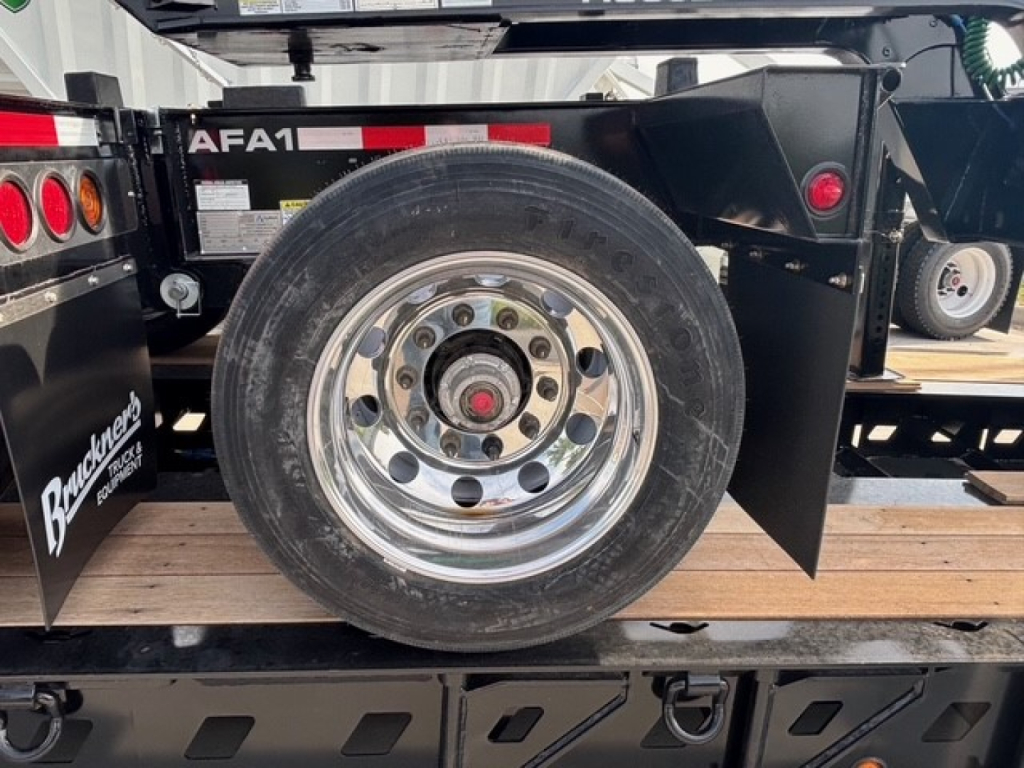
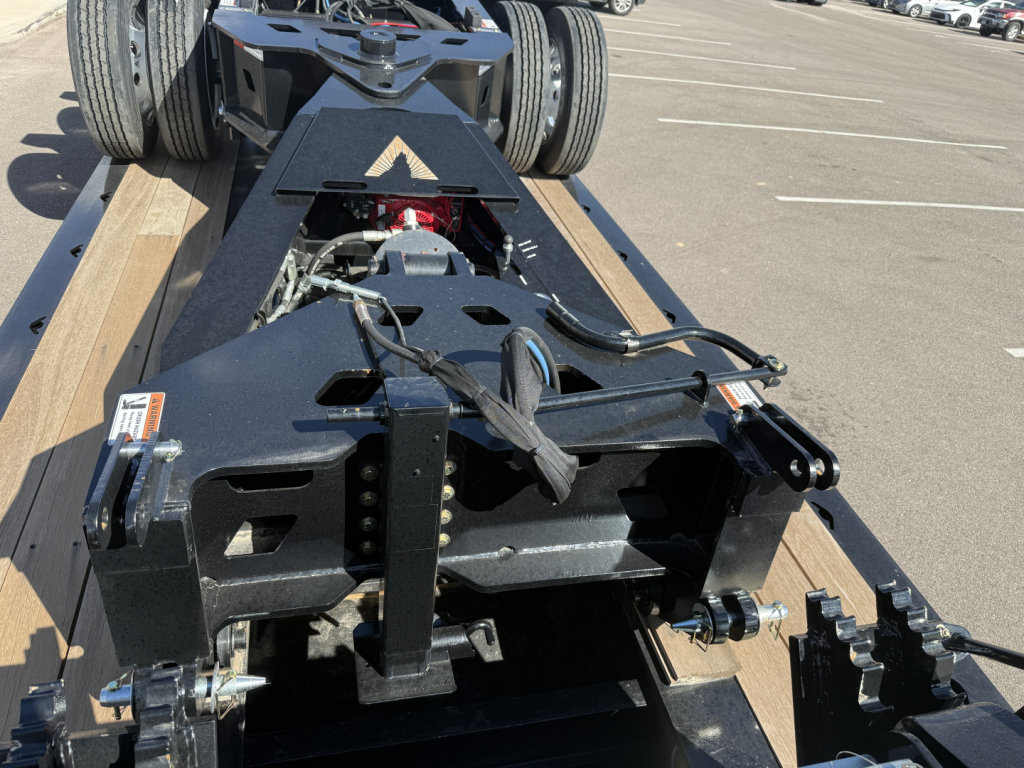
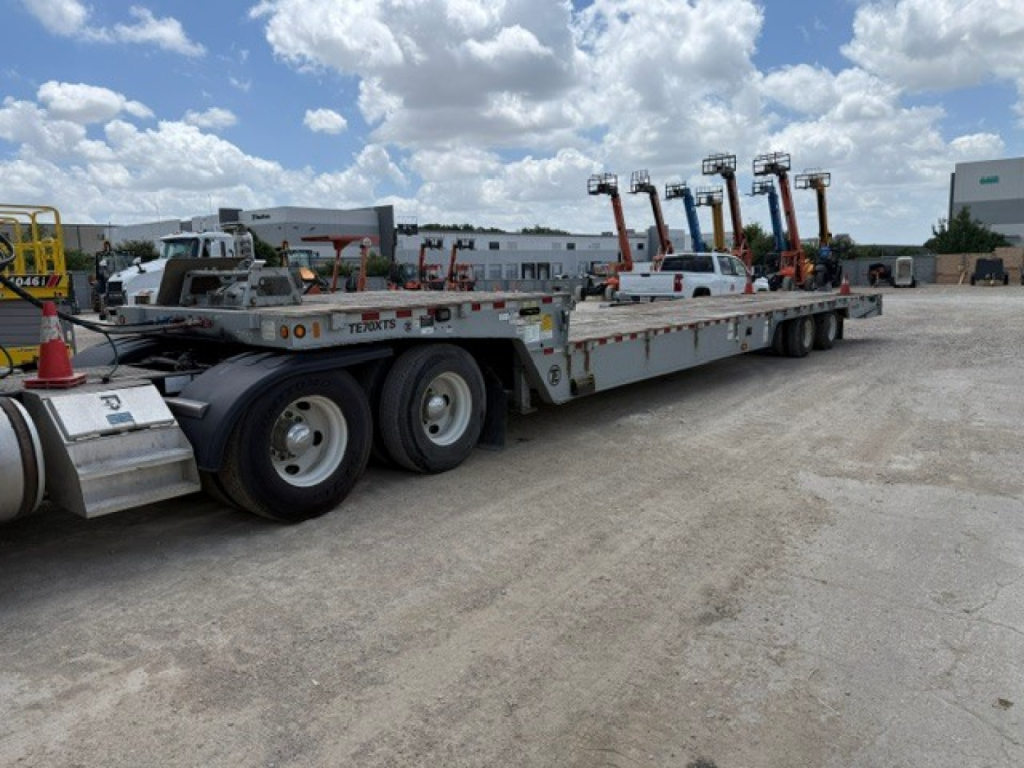
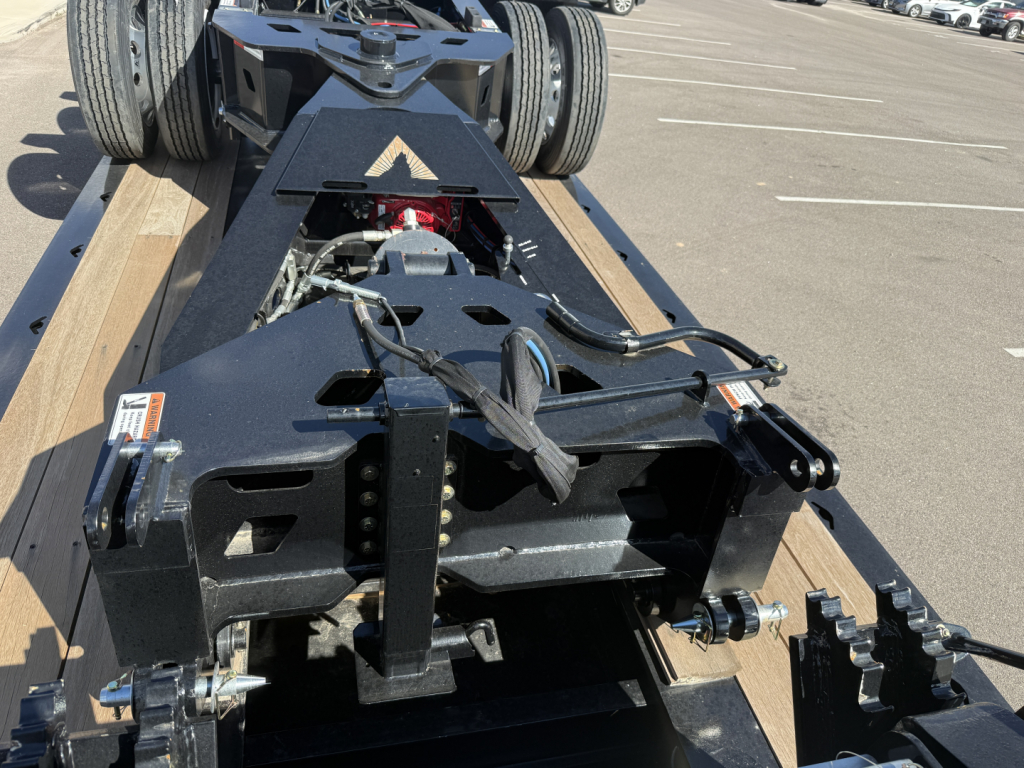
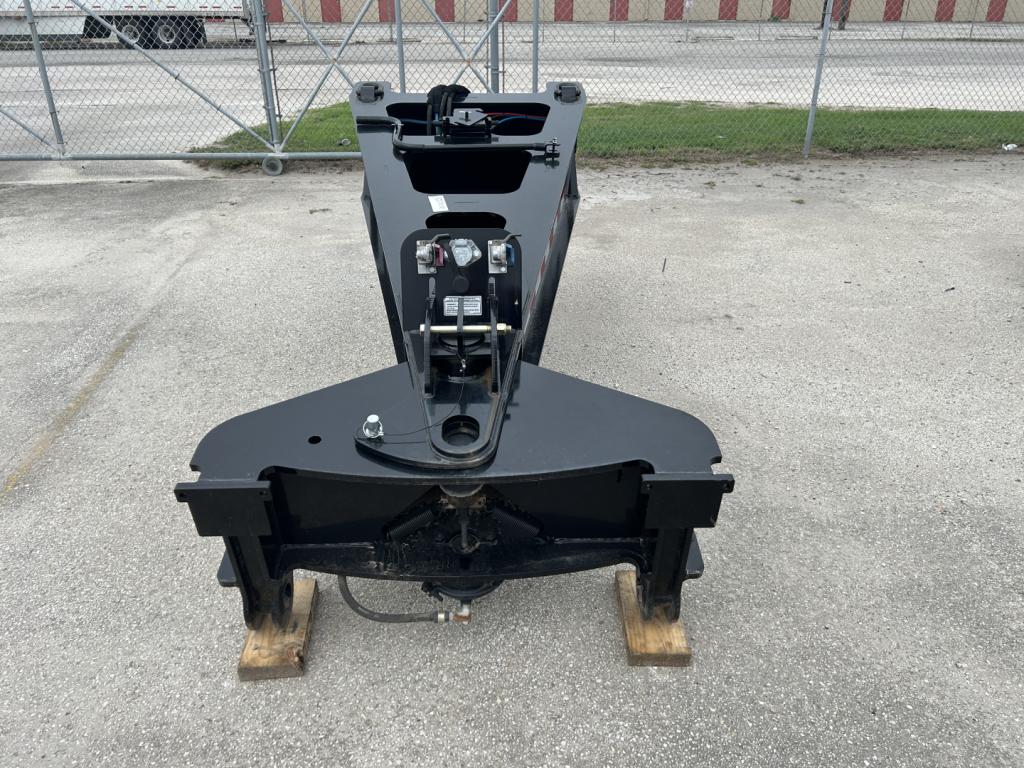
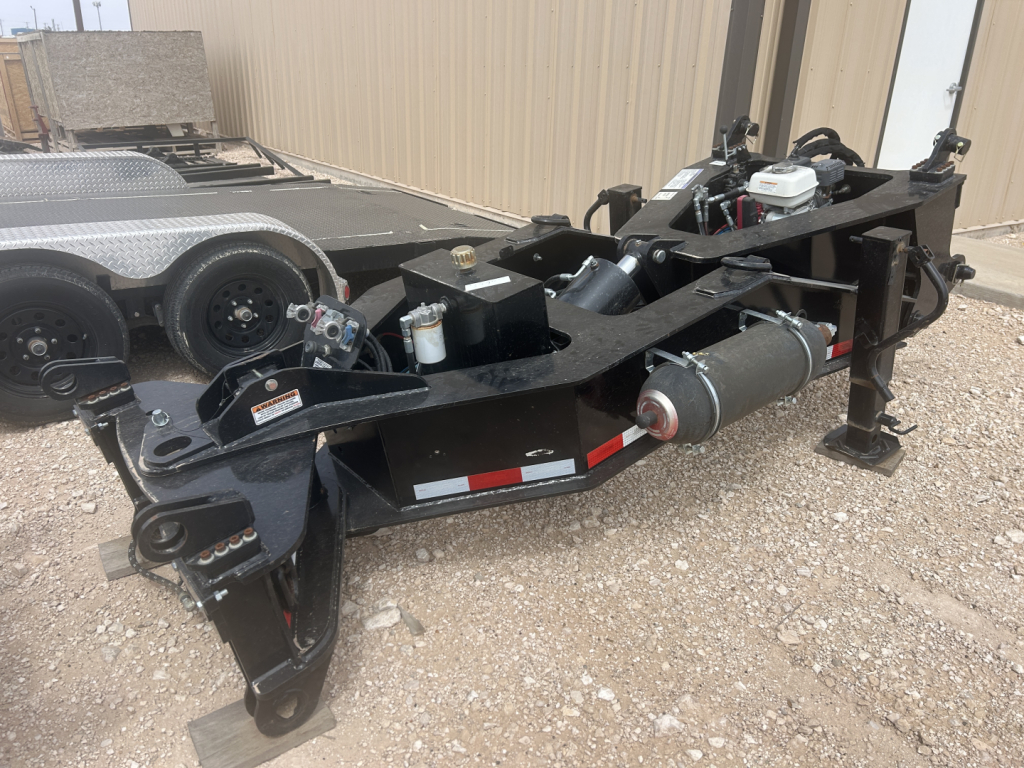
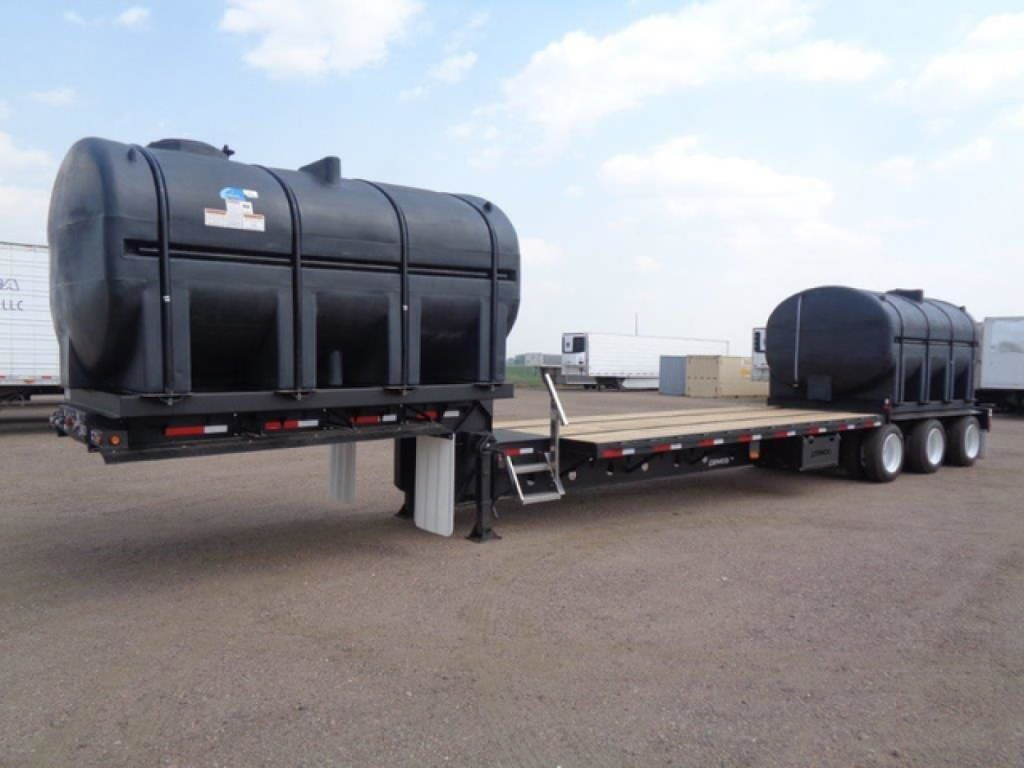
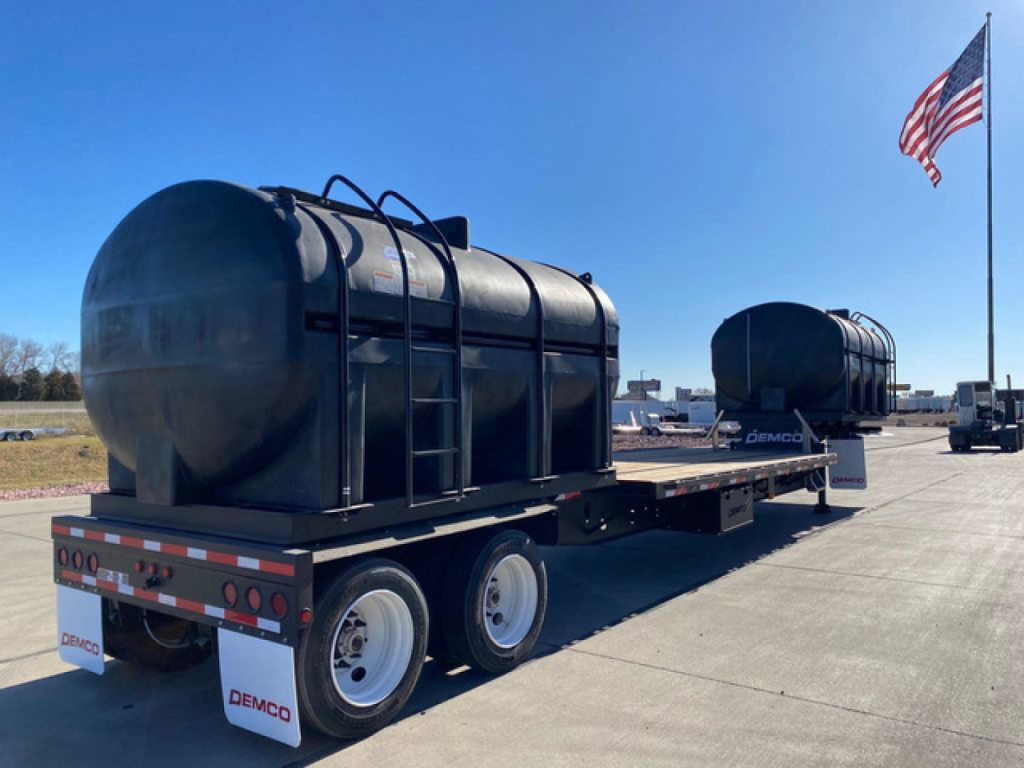
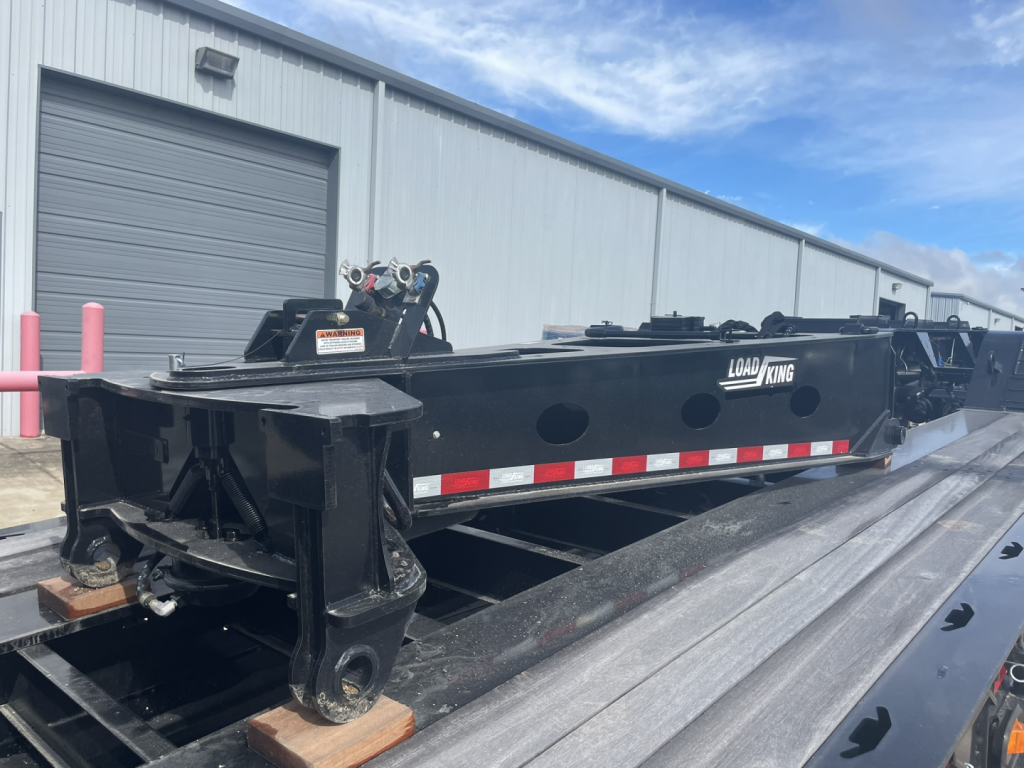
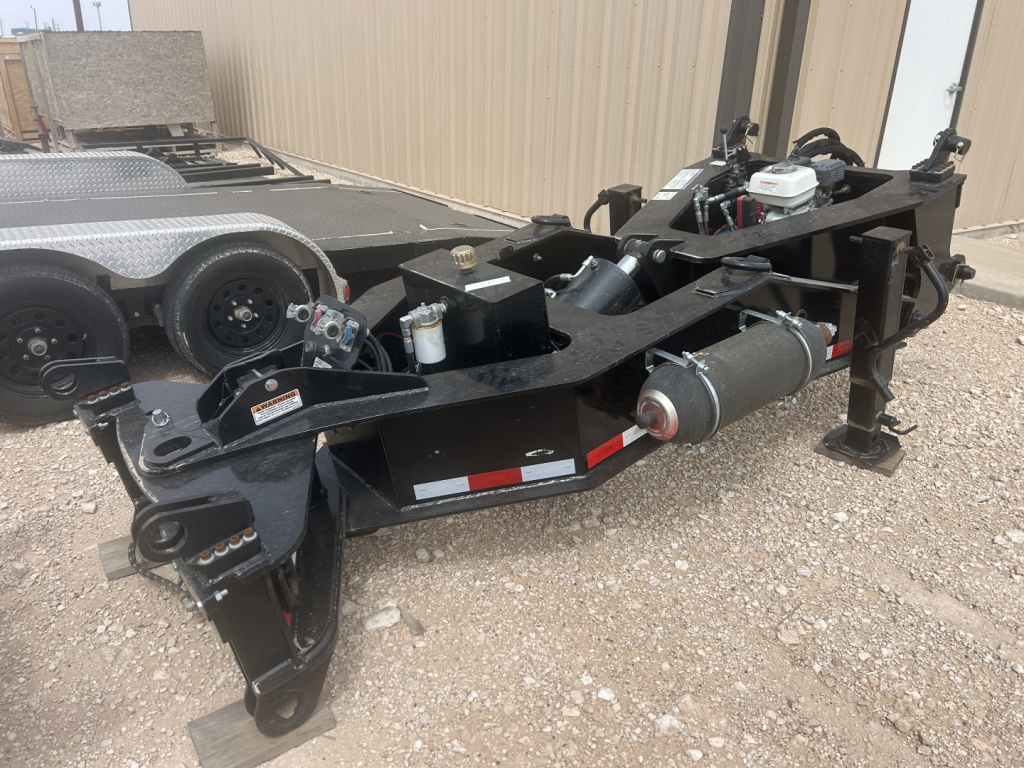
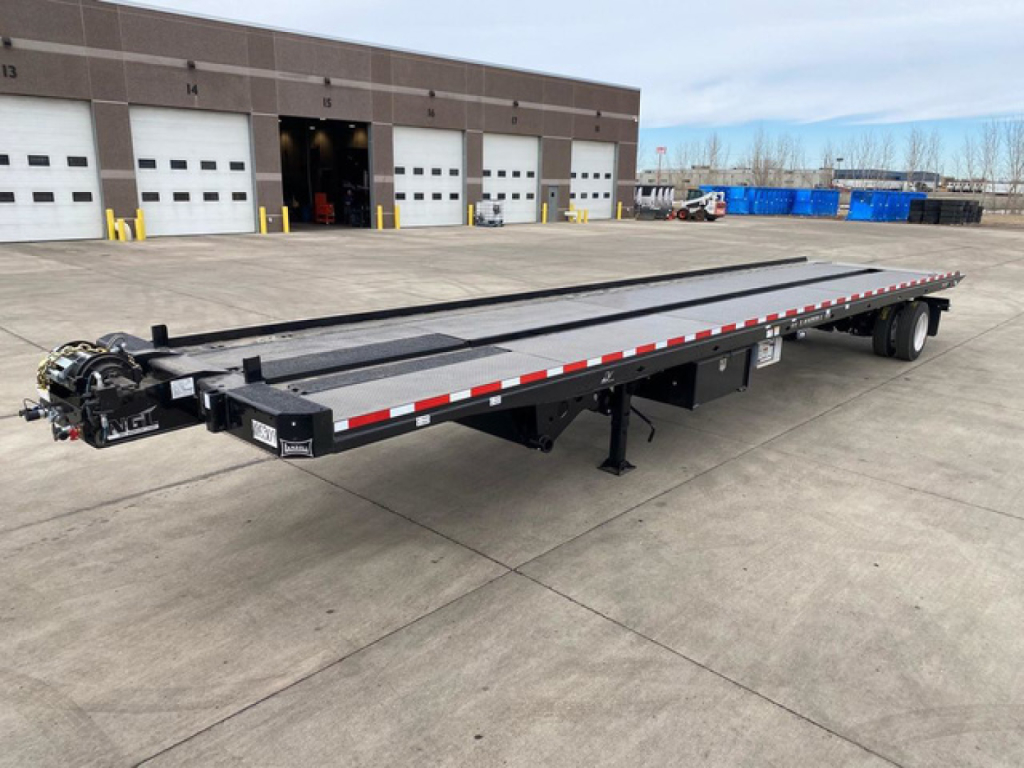
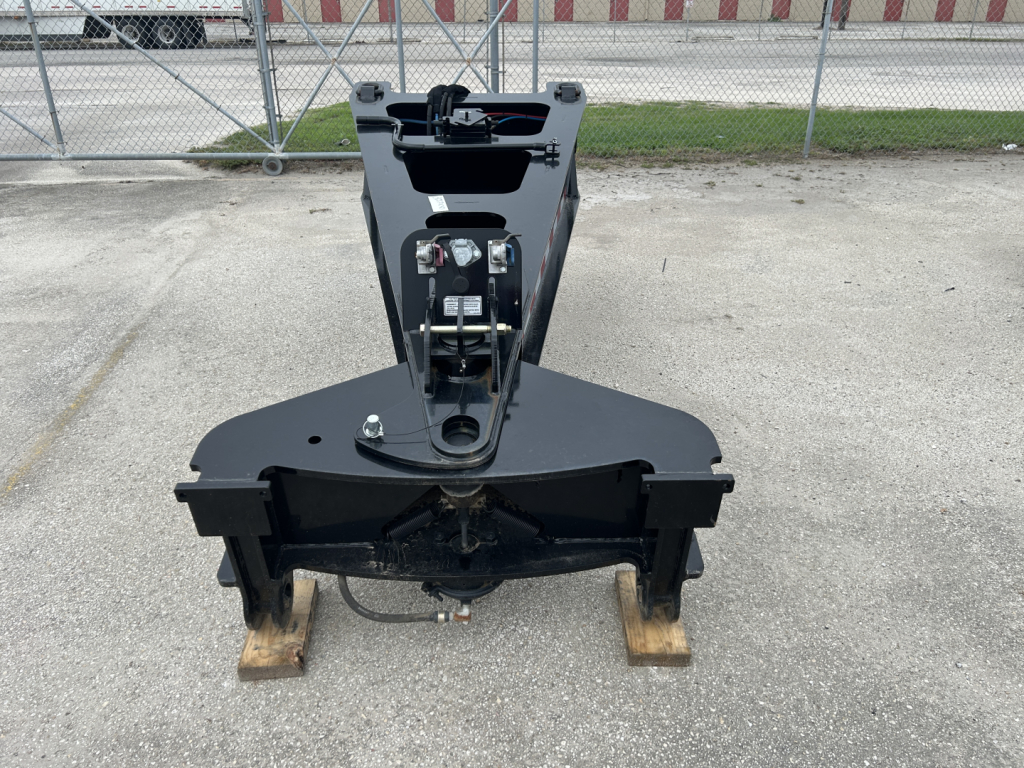

Selling a other trailer? List your other trailer for sale and reach thousands of commercial buyers.
Other Trailers in Florida
Dry van style trailers commonly appear in this group, especially older 48-foot and 53-foot units still working in short-haul service or being repurposed for storage. Key checks include overall length and width, interior height, GVWR, roof material, floor condition, door style, brake wear, tire size, and remaining tread. Buyers should pay close attention to crossmembers, rear frame area, kingpin plate condition, landing gear operation, and signs of water intrusion around the roof and front corners. A trailer with a sound frame and decent running gear can still be useful even if cosmetics are average, particularly for yard spotting or non-CDL site storage applications.
Florida buyers should also factor in climate and duty cycle. High humidity, coastal exposure, and frequent rain can accelerate corrosion on steel components, door hardware, brake parts, and electrical connections. For used trailers, it is worth inspecting scuff liners, wood or composite flooring, sidewall condition, and the seal around barn doors or swing doors. Tire age matters as much as tread depth on trailers that sit for long periods, and older air systems may need service before the unit returns to regular road use. If the trailer will be plated for highway operation, confirm VIN visibility, lighting compliance, axle ratings, and any state registration requirements before purchase.
This category can offer strong value for buyers who are flexible on brand and open to purpose-built or unconventional trailer configurations. The best units are the ones matched to the work, not just the lowest-priced listing. A basic dry van trailer may serve well for enclosed freight, mobile storage, or warehouse overflow, while a more specialized trailer may solve a narrow operational need at a lower cost than buying new. Focus on structure first, then running gear, then features. That order usually tells you more about real value than paint, decals, or age alone.
Frequently Asked Questions about Other Trailers in Florida
What kinds of equipment are usually listed under Other Trailers?
Other Trailers usually includes units that fall outside the main trailer classes or have been listed broadly because of age, configuration, or intended use. That can include older dry vans, storage trailers, specialty haul trailers, converter gear, custom-bodied trailers, and mixed-use commercial trailers. The category is broad, so buyers should read the actual specifications and application details closely instead of relying on the category label alone.
Is an older dry van trailer still worth buying?
An older dry van trailer can still be a practical purchase if the frame, floor, roof, and running gear are in serviceable condition. Many older vans remain useful for short regional runs, yard storage, dock staging, and warehouse overflow. The critical inspection points are leaks, floor rot, suspension wear, brake condition, tire age, rear frame integrity, and door operation. Cosmetic wear matters less than structural condition and legal roadworthiness.
What should I inspect first on a used trailer in Florida?
Start with the frame, crossmembers, suspension, brakes, tires, and electrical system. In Florida, moisture and coastal air can speed up corrosion, so look carefully at steel components, light connections, door hardware, and the underside of the trailer. Check the roof for signs of patching or leaks, inspect the floor for soft spots, and verify that the VIN plate and required markings are present if the trailer will be used on public roads.
How do I know if a trailer is better for storage or for highway use?
A trailer intended for highway use should have roadworthy tires, functional brakes, compliant lighting, sound suspension components, a solid kingpin area, and a structurally safe frame. A storage trailer may still be useful even if tire age, brake condition, or registration status makes it less practical for regular transport. The difference usually comes down to running gear condition, legal compliance, and how much reconditioning would be needed to put the trailer back into active service.