
New Kenworth Conventional Daycab Trucks For Sale in Mississippi
Shop new Kenworth conventional daycab trucks for sale in Mississippi, including W900L and T880 specs suited for regional, vocational, and heavy-haul work.
Learn more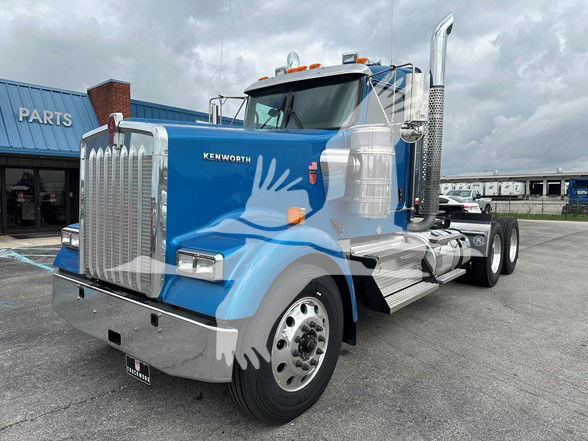
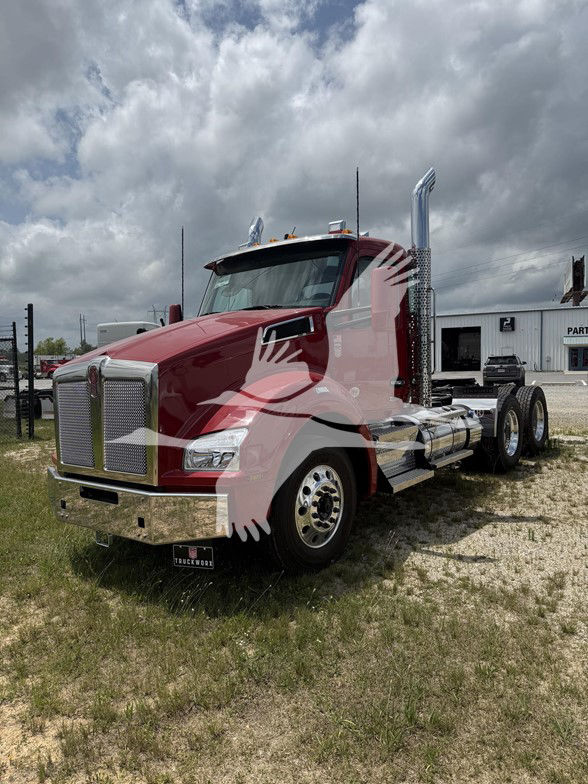
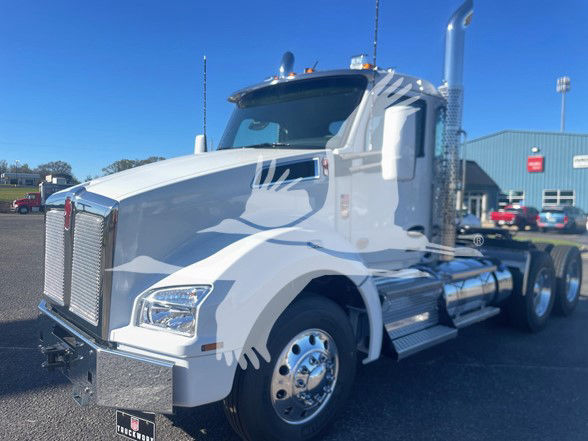
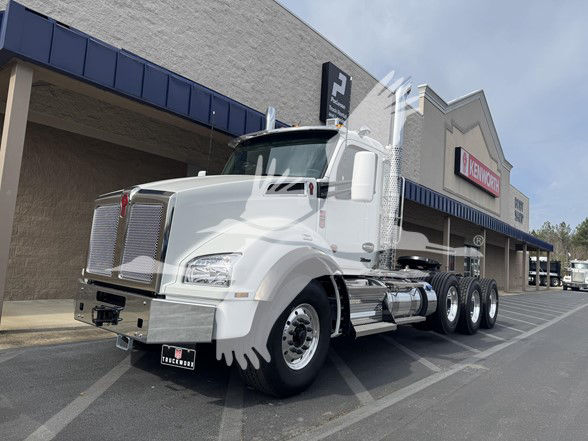
Have new kenworth conventional daycab truck to sell? List it here to reach thousands of buyers.
About New Kenworth Conventional Daycab Trucks in Mississippi
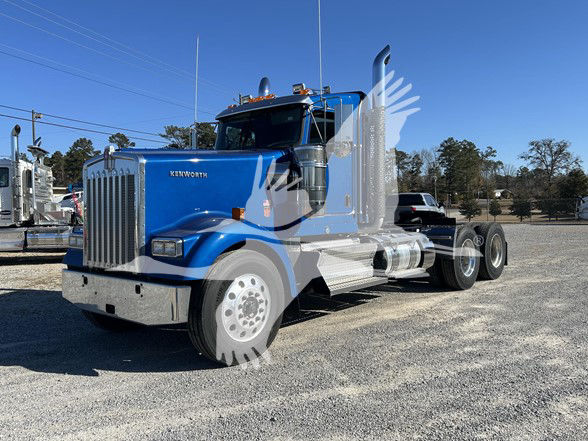
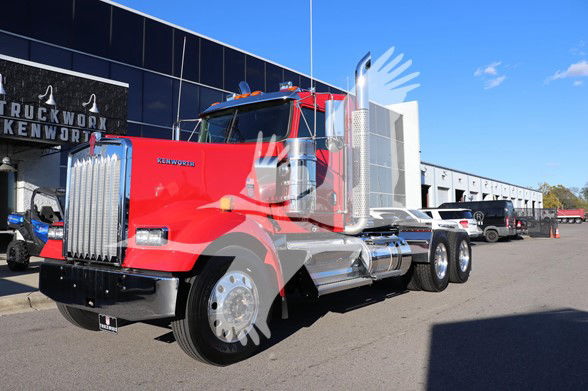
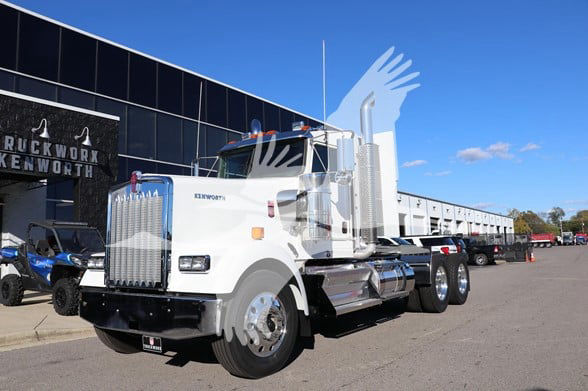
Two of the most common platforms in this category are the Kenworth T880 and W900L, and they appeal to different buyers. The T880 is a versatile vocational and heavy-spec conventional that is frequently chosen for lowboy, construction, refuse, and severe-service applications because it can be configured with strong front axle capacity, setback or set-forward axle layouts, and wheelbases matched to body, lift axle, or trailer needs. The W900L is a long-hood conventional known for its appearance, roomy cab, and heavy-haul suitability, often spec'd with longer wheelbases, higher horsepower ratings, and manual or automated transmissions for specialized pulling applications. Sample specs in this category show Cummins X15 power, wheelbases around 201 to 248 inches, AG460 rear suspension, and 10-speed manual transmissions, all of which are common in heavy vocational and regional tractor setups.
The spec decisions that matter most start with application. Wheelbase affects bridge law compliance, trailer swing clearance, and how the truck carries headache racks, wet kits, lift axles, or deck plate equipment. Rear suspension choice, such as AG460, plays a major role in ride quality, traction, articulation, and durability on mixed pavement and jobsite surfaces. Engine ratings should be matched to gross combined weight, terrain, and duty cycle. A Cummins X15 in the 450 to 500 horsepower range is a familiar choice for buyers pulling heavier trailers or working in logging, equipment hauling, and lowboy service. Transmission selection also changes the truck's character. A manual gearbox still has loyal buyers in heavy-haul and owner-operator applications, while automated manuals can improve driver consistency and reduce fatigue in stop-and-go regional service.
A good buyer comparison goes beyond make and model and looks closely at front axle rating, rears, ratio, frame spec, PTO provisions, fuel capacity, fifth wheel setup, and cab-to-axle dimensions. On a new Kenworth daycab, those details determine whether the truck is best suited for a flatbed, hopper, end dump, detachable lowboy, or general regional tractor role. Kenworth daycabs also hold strong appeal for buyers who value a premium interior, solid dealer support, and broad vocational upfit compatibility. For Mississippi operators dealing with heat, mixed road conditions, and demanding payloads, a properly spec'd conventional daycab can be a long-service asset that balances drivability, serviceability, and resale strength.
Frequently Asked Questions
What is the difference between a Kenworth T880 daycab and a Kenworth W900L daycab?
The Kenworth T880 daycab is typically chosen for vocational and severe-service work because it offers flexible chassis configurations, strong visibility, and easier adaptation for lowboy, dump, and equipment-hauling applications. The Kenworth W900L daycab is a long-hood conventional that is often favored for owner-operator use, show-oriented specs, and heavy-haul setups where buyers want a longer wheelbase, classic styling, and room for higher-horsepower driveline combinations.
What wheelbase is best for a new conventional daycab truck?
The best wheelbase depends on the trailer, axle layout, and intended work. Shorter wheelbases generally improve maneuverability for local and vocational service, while longer wheelbases can help with ride quality, weight distribution, wet kit space, headache rack placement, and compatibility with specialized trailers. Buyers should compare wheelbase with kingpin setting, bridge requirements, and overall tractor-trailer length before choosing a spec.
Is the Cummins X15 a good engine for a Kenworth daycab?
The Cummins X15 is a common and well-regarded choice for Kenworth conventional daycabs because it offers broad horsepower and torque ratings suited to regional hauling, vocational work, and heavy-haul service. It is especially attractive when the truck will pull heavier gross combined weights, operate in hilly terrain, or require dependable PTO and drivability performance. The right X15 rating should still be matched to rear axle ratio, transmission, and expected load profile.
Are manual transmissions still a good choice in new daycab trucks?
Manual transmissions still make sense for certain buyers, especially in heavy-haul, lowboy, and specialized vocational service where drivers prefer direct gear control and fleets have experienced operators. They can also appeal to buyers who want mechanical simplicity and a traditional driving setup. However, automated manual transmissions are increasingly popular because they reduce driver fatigue, improve consistency, and can help with training and broader driver acceptance.
What should I check when comparing new Kenworth daycab specs?
Focus on the complete chassis spec, not just the model name. Key points include front axle rating, rear axle capacity, suspension type, wheelbase, frame section, rear axle ratio, transmission type, PTO or wet kit readiness, fuel tank capacity, and fifth wheel position. Those details determine how well the truck will handle payload, trailer type, turning radius, bridge compliance, and long-term durability in the work you expect it to do.