
Mack Grapple Trucks For Sale in Louisiana
Browse Mack grapple trucks for sale in Louisiana. Compare body specs, axle ratings, crane setups, and vocational features for debris handling.
No exact matches found for your search
Showing Mack Grapple Trucks instead.

Have mack grapple truck to sell? List it here to reach thousands of buyers.
Mack Grapple Trucks in Louisiana
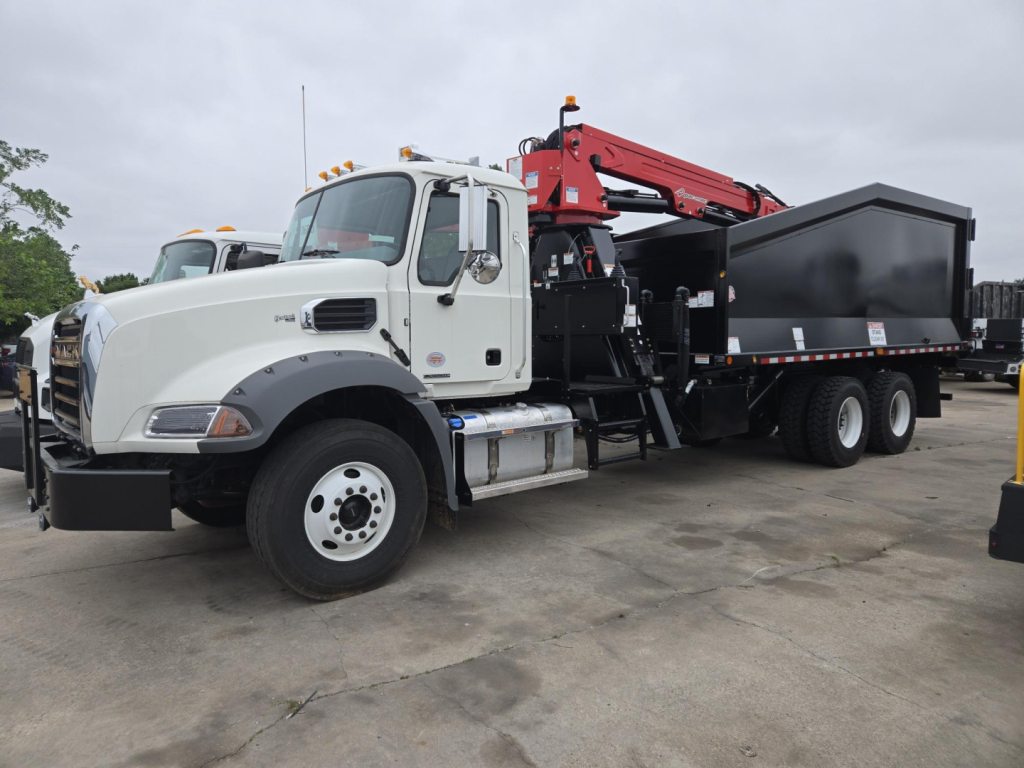
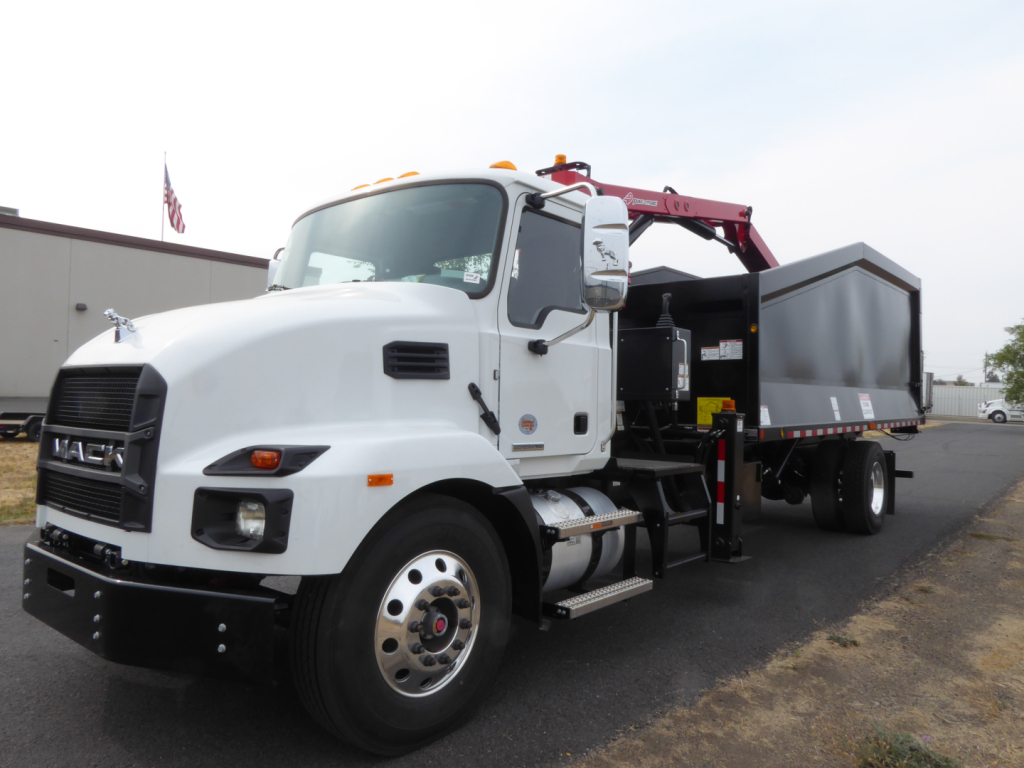
A common spec in this category is a medium-duty or heavy vocational Mack chassis with an automatic transmission, diesel power in the mid-range horsepower band, and a purpose-built grapple body from builders such as Pac-Mac. On trucks like the Mack MD7, you will often see GVWRs around the Class 7 range, single rear axles, and wheelbases selected to balance turning radius with body length. Engine and transmission pairing matters because grapple work is repetitive and PTO-dependent. Buyers often prefer proven diesel platforms and Allison automatics for ease of operation in stop-and-go routes, especially when multiple drivers may use the truck. Rear axle ratio, suspension type, and tire size also affect low-speed launch, stability on uneven surfaces, and service life under constant loading cycles.
The body and hydraulic package deserve as much attention as the chassis. Key details include boom reach, rotator condition, grapple size, control layout, hoist design, reservoir capacity, and whether the body is intended for brush, C&D debris, logs, or mixed municipal waste. Structural features such as heavy floor material, crossmember spacing, and tailgate design influence long-term durability. If the truck will work in wet conditions or near corrosive material, buyers in Louisiana should inspect frame coatings, body rust, hydraulic line routing, and electrical protection closely. Legal road weight, bridge law considerations, and local route conditions are also part of the buying decision, particularly if the truck will travel between municipalities or cover both urban streets and rural rights-of-way.
Mack remains a strong fit for grapple applications because the brand is well established in vocational service, with chassis that are generally easy to upfit and maintain. The best buying decision usually comes down to spec alignment rather than model year alone. A properly configured Mack grapple truck should have enough front axle capacity to carry the crane safely, enough rear capacity for the intended debris stream, and a hydraulic system sized for fast, repeatable cycle times without overheating. Buyers comparing listings should focus on chassis rating, body manufacturer, grapple and crane configuration, PTO setup, wheelbase, and intended material type before narrowing down on mileage or appearance.
Frequently Asked Questions about Mack Grapple Trucks in Louisiana
What is the most important thing to check on a Mack grapple truck before buying?
The most important check is overall spec balance. The chassis, crane, grapple body, and intended material type must work together within axle ratings and GVWR. Buyers should verify front axle loading from the crane mount, rear axle capacity under a full body, hydraulic system condition, and whether the wheelbase and body length match the application. A truck that is underspecified for brush, storm debris, or demolition material will cost more in downtime and overloading risk than it saves upfront.
Are Mack MD7 trucks a good choice for grapple truck applications?
A Mack MD7 can be a good fit for medium-duty grapple work, especially municipal debris, tree limbs, and lighter-volume brush collection. It is commonly spec'd with diesel power, automatic transmission options, and vocational axle ratings suitable for Class 7 applications. The key limitation is not the badge or model name but the actual body and crane package installed. Buyers should confirm the truck's GVWR, front and rear axle ratings, and the weight of the grapple body to determine if it fits the intended workload.
Why do automatic transmissions matter on grapple trucks?
Automatic transmissions are popular on grapple trucks because the job involves constant starting, stopping, repositioning, and PTO-related operation. Allison automatics are common in this category because they reduce driver fatigue, simplify training, and perform well in stop-and-go vocational duty. For fleets with multiple operators, an automatic can also help reduce clutch wear and inconsistent driving technique. The transmission should still be matched to the engine output, rear ratio, and expected terrain.
What body features should buyers compare on grapple trucks?
Buyers should compare boom reach, grapple opening, body capacity, hoist design, floor thickness, sidewall construction, tailgate style, and hydraulic control setup. For brush and storm debris, body volume and grapple reach are often more important than pure compaction or dump speed. For heavier material, structural reinforcement and axle capacity become more critical. It is also smart to inspect hose routing, cylinder condition, rotator wear, and any signs of stress cracking around crane mounts or body attachment points.
What Louisiana-specific factors matter when shopping for a grapple truck?
Louisiana buyers should pay close attention to corrosion exposure, flood-related wear, and operating conditions on soft shoulders, urban streets, and storm-affected routes. High humidity and water exposure can accelerate rust in body seams, wiring, and hydraulic components. The truck should also be suited to local debris streams such as storm cleanup, vegetative waste, and municipal collection. Cooling performance, brake condition, and tire selection matter as well when the truck will run in hot weather with frequent stops and heavy hydraulic use.