
Grove Lifts - Booms For Sale in New York
Browse Grove boom lifts for sale, including rough-terrain models with strong platform height, reach, AWD, and jobsite-ready hydraulic systems.
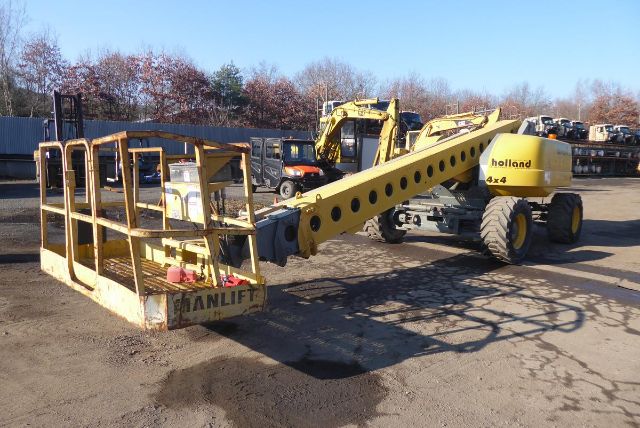
Selling a grove lifts - boom? List your grove lifts - boom for sale and reach thousands of commercial buyers.
Grove Lifts - Booms in New York
A used Grove boom lift is often evaluated first by working envelope. Platform heights around the 60-foot class are common in older rough-terrain units, but the real buying decision usually comes down to usable side reach under load, not just maximum vertical height. Pay attention to platform capacity with one or two occupants, minimum and maximum horizontal reach, basket dimensions, and how the machine behaves at full extension. AWD, oscillating axles, hydraulic leveling, and tire size all affect how confidently the unit can travel and set up on soft ground or uneven surfaces.
Powertrain and hydraulic condition matter as much as reach specs. Many Grove boom lifts in the market use diesel engines paired with hydrostatic drive systems, which gives smooth low-speed control on site and good traction in rough conditions. Buyers should look closely at engine hours, cold-start behavior, hydraulic response, hose and cylinder condition, turntable function, and any signs of structural repair in the boom sections or platform. On older units, parts support, control layout, and service history can be just as important as purchase price. In New York, transport width, overall height, and operating weight also deserve attention because moving a boom lift between boroughs, upstate jobs, and restricted access sites can add real cost.
For buyers comparing Grove lifts - boom equipment against other access options, the main advantage is reach with self-propelled mobility. These machines are also commonly called boom lifts, man lifts, aerial work platforms, or rough-terrain boom lifts depending on the configuration. A straight boom generally favors maximum horizontal outreach, while an articulating boom offers better up-and-over access around structures and obstructions. The best unit is the one that matches the worksite surface, required platform height, occupancy needs, and transport plan without overbuying capacity that will sit unused.
Frequently Asked Questions about Grove Lifts - Booms in New York
What should I check first when buying a used Grove boom lift?
Start with platform height, horizontal reach, platform capacity, and overall machine weight, then move quickly to hydraulic and structural condition. A used boom lift can look serviceable but still have expensive issues in the boom sections, cylinders, turntable, or basket controls. Engine hours, drive performance, tire condition, and evidence of welding or crack repair are all important. On an older Grove unit, a functional inspection of lift, swing, steer, and drive systems is often more valuable than cosmetic appearance.
Are Grove boom lifts suited for rough-terrain jobsites?
Yes. Many Grove boom lifts were built specifically for uneven ground and outdoor construction conditions. Features like all-wheel drive, large flotation-style tires, and strong hydraulic drive systems help them travel across dirt, gravel, and unfinished sites better than slab-focused aerial equipment. That does not eliminate the need for proper ground assessment, but it makes Grove a recognized choice for rough-terrain elevated access work.
How important is horizontal reach on a boom lift?
Horizontal reach is one of the most important specs because many real-world jobs require access out over obstacles, not just straight up. Roof edges, structural steel, setbacks, pipe racks, and equipment pads often limit where the machine can be positioned. A machine with enough platform height but weak usable outreach may not complete the job efficiently. Buyers should compare rated reach under load, not just the advertised maximum figure.
What operating costs should I expect with an older Grove boom lift?
Operating costs usually center on hydraulic maintenance, tires, engine service, batteries, controls, wear pins, hoses, and occasional cylinder or pump repairs. Transport can also be a meaningful expense because rough-terrain boom lifts are wide, heavy machines that may require planning for trailer capacity and route restrictions. Older equipment can still be cost-effective, but only if the machine has been maintained and parts availability is still reasonable for the model.
Is a boom lift better than a scissor lift for elevated access work?
A boom lift is better when the job requires reach over obstructions, uneven terrain capability, or access at varying angles. A scissor lift is generally better for vertical access on flatter surfaces where a larger work platform is needed. For exterior construction, industrial yards, and maintenance work with limited setup positions, a Grove boom lift usually offers much more flexibility than a scissor lift.