
Used 1993 Wheel Loaders For Sale in New York
Browse used 1993 wheel loaders for sale in New York. Compare size, bucket setup, tires, hydraulics, driveline condition, and attachment options.
Selling a used 1993 wheel loaders? List your used 1993 wheel loaders for sale and reach thousands of commercial buyers.
Used 1993 Wheel Loaders in New York
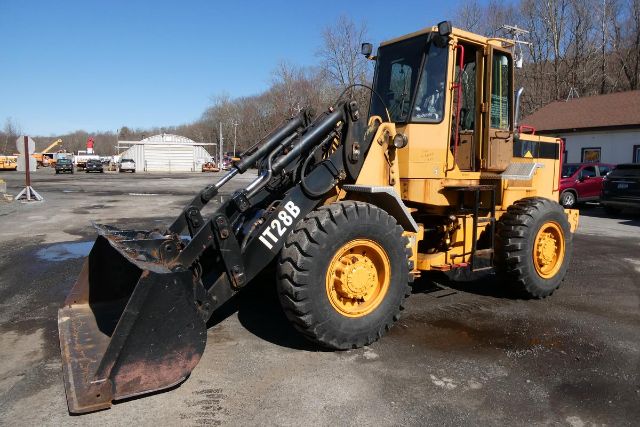
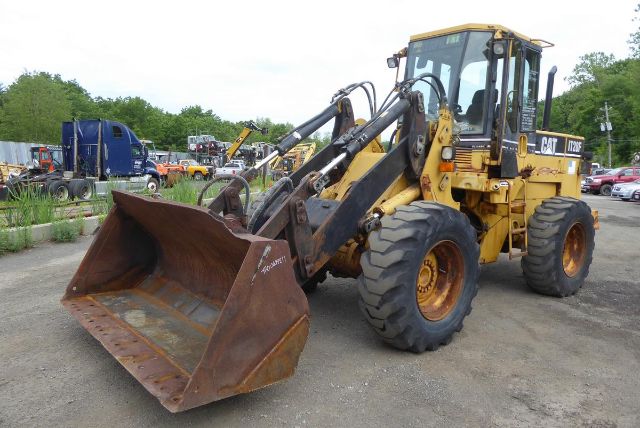
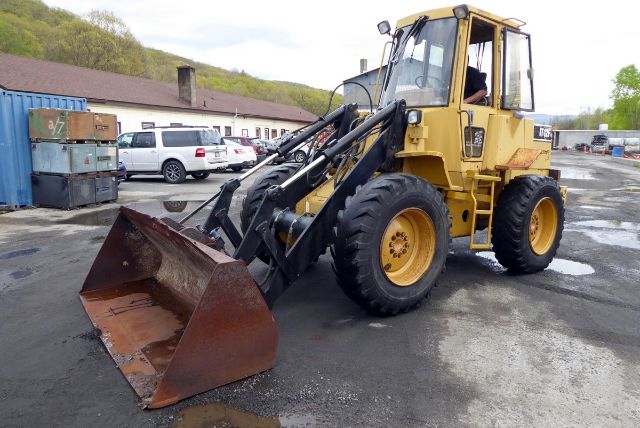
Size and configuration matter more than model year alone. Many 1993 wheel loaders fall into the mid-size range, often running 17.5-25 tires, operating weights around the low-to-mid 20,000-pound class, and bucket widths near 7.5 to 8.5 feet, though compact and heavier units exist. Some are standard bucket loaders, while others are integrated toolcarriers, sometimes called IT loaders, built to switch between buckets, forks, and other front attachments with a quick coupler. If you need one machine to load material in the morning and handle pallets in the afternoon, a toolcarrier-style wheel loader is worth special attention. Lift capacity, hinge pin height, breakout force, and attachment compatibility should be checked against the actual work, not just the badge on the machine.
On a used 1993 loader, condition inspection is everything. Pay close attention to center articulation pins, loader arm pins and bushings, steering cylinders, transmission engagement, axle noise, service and parking brakes, and bucket edge wear. Tire replacement is a major cost on any wheel loader, so tread condition, sidewall cuts, and matching tire size should be part of the value calculation. Hydraulic seepage is common on older equipment, but active leaks, slow lift times, weak rollback, or drifting cylinders can point to more expensive repairs. In New York, cab heat, defrost function, wipers, lighting, and enclosed ROPS protection also matter if the loader will be used through winter or in municipal and contractor applications where uptime in bad weather is non-negotiable.
A good 1993 wheel loader is often bought on serviceability and remaining structural life. Look for a machine with a solid frame, tight articulation, usable brakes, predictable transmission shifts, and an attachment setup that matches your operation. Bucket condition, cutting edge life, fork availability, and quick-connect functionality can affect productivity just as much as horsepower. For buyers comparing multiple used wheel loaders for sale, the best value is usually the machine with the clearest maintenance history, the fewest major wear-point issues, and specifications that fit the loading height, material type, and jobsite space you deal with every day.
Frequently Asked Questions about Used 1993 Wheel Loaders in New York
What should I inspect first on a used 1993 wheel loader?
Start with the articulation joint, brakes, transmission, hydraulics, and tires. These areas drive most of the repair cost on an older wheel loader. Check for slop in the center pin, weak or missing brakes, delayed transmission engagement, hydraulic leaks or slow cycle times, and uneven or badly worn tires. Then inspect the bucket, cutting edge, pins, bushings, and loader arms for weld repairs, plating, or excessive movement.
Are 1993 wheel loaders still a good choice for snow and yard work in New York?
They can be, provided the machine has dependable cold-weather starting, strong brakes, good steering response, and a cab setup suited to winter work. Heat, defrost, working lights, and an enclosed cab are especially important for New York operators. Many loaders from this period are mechanically simple, which helps with maintenance, but winter reliability still depends on the condition of the engine, batteries, glow plug or intake aid system, hydraulic oil, and tires.
What is the difference between a standard wheel loader and an IT or toolcarrier loader?
A standard wheel loader is generally optimized for bucket work and material loading, while an integrated toolcarrier is designed for more attachment use. Toolcarrier models commonly offer quick couplers and better fork and attachment versatility for handling pallets, pipe, bundled material, and mixed yard tasks. If your operation switches frequently between buckets and forks, a toolcarrier can be more productive than a conventional loader.
How many hours are too many on a 1993 wheel loader?
Hours alone do not tell the whole story on equipment this old. A higher-hour loader with documented maintenance, tight pins, solid brakes, and a healthy transmission can be a better buy than a lower-hour machine with neglect or major wear. Focus on component condition, repair history, and how the loader performs under load. Hour meters on older machines may also be replaced, broken, or inaccurate, so inspection matters more than the number on the meter.
What specs matter most when comparing used wheel loaders for sale?
The key specs are operating weight, bucket size, tire size, lift height, horsepower, attachment compatibility, and overall machine width. These determine how the loader fits your hauling plan, loading area, stockpile work, and material type. A loader that is too large can be inefficient in tight yards, while one that is too small may struggle with dense material or truck loading. Matching the machine to the job is more important than chasing the highest horsepower figure.