
Used 1993 Wheel Loaders For Sale
Browse used 1993 wheel loaders for sale, including articulated loaders for material handling, loading, stockpiling, snow work, and site support.
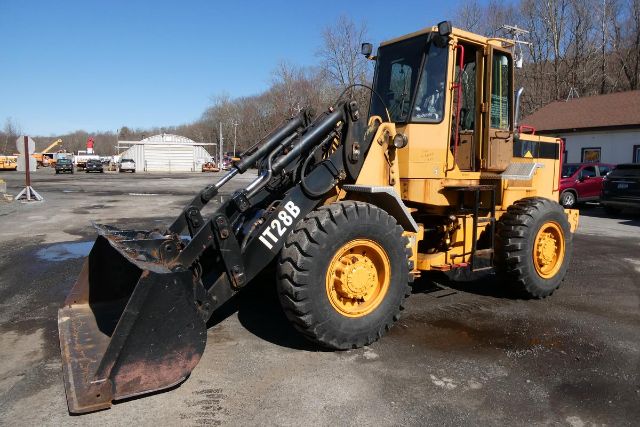
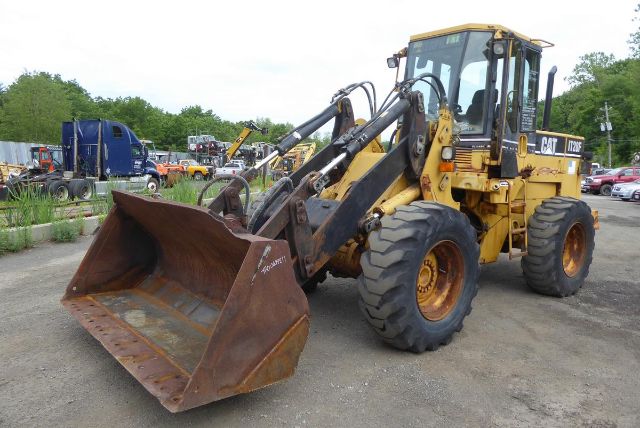
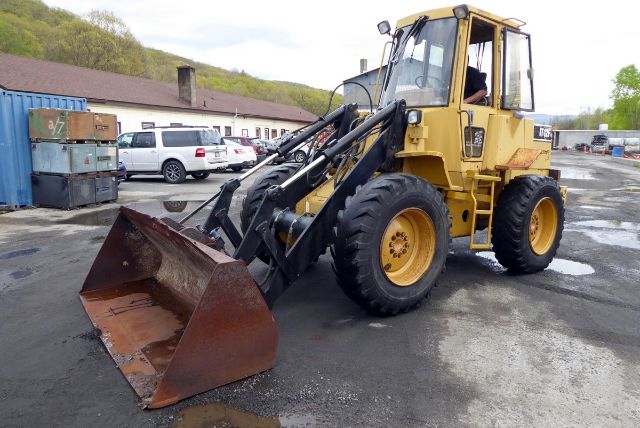
Selling a used 1993 wheel loaders? List your used 1993 wheel loaders for sale and reach thousands of commercial buyers.
Used 1993 Wheel Loaders
Size and bucket capacity should drive the first cut. Wheel loaders from this period range from smaller utility machines with roughly 1.5 to 2.0 cubic yard buckets up to production loaders carrying 3 yards or more, with operating weights commonly running from under 20,000 pounds to over 40,000 pounds. Tire size, lift height, breakout force, and overall width matter just as much as engine horsepower because they affect loading speed, jobsite access, and trailerability. If the machine will handle pallets or mixed attachments, look for quick coupler setups, third-function hydraulics, and ride control. Integrated toolcarrier variants, often called IT loaders or tool carriers, offer more attachment flexibility than a standard bucket loader.
Condition evaluation is critical on older articulated loaders. Pay close attention to center pins and bushings, loader arm pins, bucket linkage, cylinder seepage, steering response, brake performance, and axle noise under load. Transmission engagement should be clean in forward and reverse with no long delay, slipping, or harsh shift behavior. On the hydraulic side, weak lift, slow curl times, or excessive drift can point to pump wear or internal leakage. Check the bucket cutting edge, tires, and cab functions carefully because replacement costs add up quickly on a used wheel loader, especially with 20.5-25, 23.5R25, or similar large rubber.
A 1993 wheel loader is usually best suited for buyers who want dependable loading capacity at a lower purchase price and are prepared to inspect the machine like a piece of production equipment, not a light-duty tractor. Enclosed cabs, basic heat and air, and conventional controls are common, but electronic monitoring may be limited compared with newer machines. Strong value tends to come from loaders with documented service history, dry cylinders, solid articulation joints, and a bucket or coupler setup that matches the job. For many operators, the right older wheel loader is less about model year and more about remaining life in the engine, transmission, hydraulics, and structure.
Frequently Asked Questions about Used 1993 Wheel Loaders
What should I inspect first on a used 1993 wheel loader?
Start with the major cost items: engine, transmission, hydraulics, axles, and the center articulation joint. Excessive play in the center pins and bushings, delayed transmission engagement, weak hydraulics, active cylinder leaks, and axle or differential noise can turn an inexpensive loader into a costly project. Tires, cutting edges, brake condition, and cab components also matter, but drivetrain and structural wear should be the priority on a machine from this era.
Are 1993 wheel loaders easier to maintain than newer loaders?
In many cases, yes. A 1993 wheel loader often uses a mechanical diesel engine and a more straightforward electrical system, which appeals to owners who do their own maintenance or operate in areas without dealer support close by. That said, easier design does not always mean lower total cost. Parts availability varies by make and model, and older machines may need hoses, pins, bushings, brake work, or transmission repairs simply due to age and hours.
What size wheel loader is best for a farm, yard, or small aggregate operation?
The right size depends on material density, loading height, and how often the machine moves. Smaller loaders in the roughly 17,000 to 25,000 pound range can work well for farms, mulch yards, and light truck loading, while mid-size and larger machines are better suited for aggregate, demolition, and heavy stockpiling. Bucket width, heaped capacity, tire size, and overall machine width should match your loading area and the trucks or hoppers being served.
How many hours is too many on a 1993 wheel loader?
Hours alone do not tell the full story on an older loader. A well-maintained machine with high hours and documented service can be a better buy than a lower-hour unit with neglected pins, poor tires, weak hydraulics, or drivetrain issues. On equipment of this age, buyers should focus on meter credibility, maintenance records, cold-start behavior, smoke, blow-by, hydraulic strength, and how the machine performs under a full working load.
Can a 1993 wheel loader still be used with forks, grapples, or other attachments?
Yes, if the machine is equipped correctly. Many older wheel loaders can run forks, snow pushers, grapples, and specialty buckets when fitted with a quick coupler and the proper hydraulic plumbing. Toolcarrier configurations are especially useful for attachment work because they are designed for better visibility and compatibility. Before buying, confirm coupler type, third-valve availability, lift capacity, and whether the loader geometry matches the intended attachment.