
Used 2016 Equipment For Sale in New York
Browse used 2016 trucking equipment for sale in New York, including trailers, trucks, and fleet units suited for regional, local, and highway work.
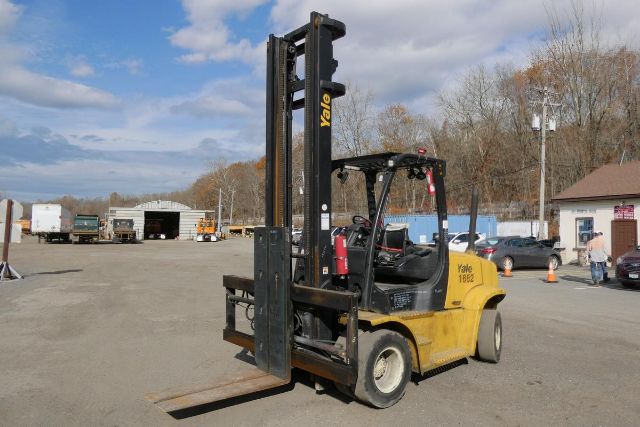
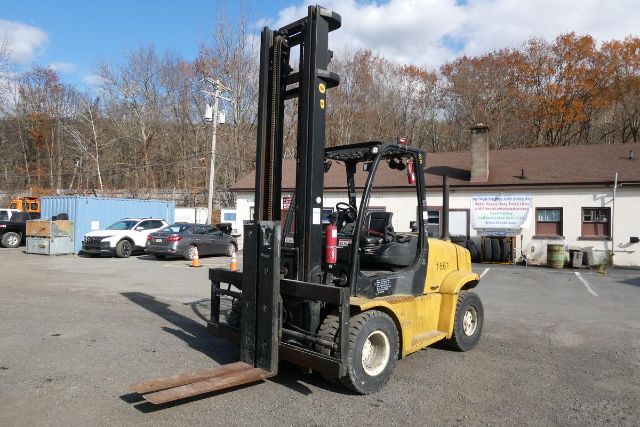
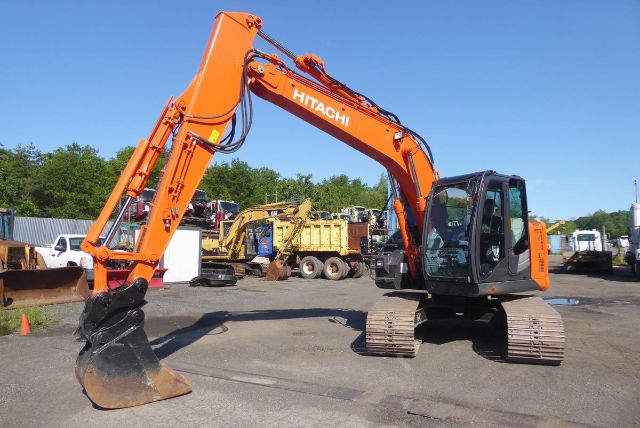
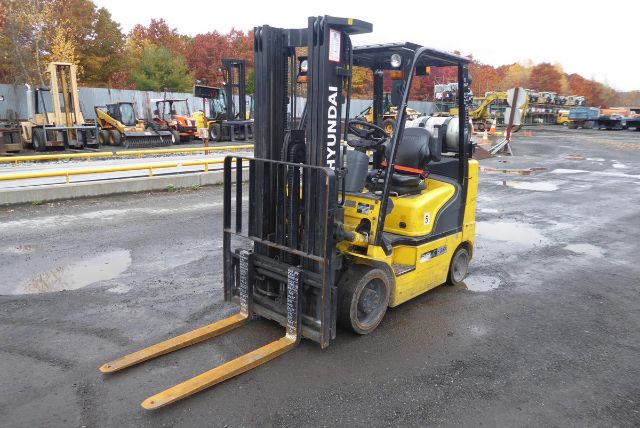
Selling a used 2016 equipment? List your used 2016 equipment for sale and reach thousands of commercial buyers.
Used 2016 Equipment in New York
For used 2016 semi trucks and vocational trucks, buyers usually focus on engine platform, transmission type, wheelbase, axle ratings, and prior application. A 2016 day cab used for regional freight has a different wear pattern than a sleeper that spent years on long-haul lanes, and both differ from a dump truck, hooklift, or box truck working stop-and-go routes. On highway tractors, common decision points include automated manual versus manual transmissions, emissions system service records, mileage versus engine hours, and rear axle gearing. For trailers and other towing equipment, pay attention to floor condition, crossmembers, landing gear, air ride or spring suspension, tire age, brake components, and any structural repairs around the kingpin, rear frame, or suspension hangers.
New York buyers also need to think about application fit and compliance. Refrigerated equipment may need recent reefer service documentation and clean insulation integrity. Flatbeds and drop decks should be checked for deck wear, chain tie-down condition, winches, and rub rail damage. Dry vans benefit from inspection of roof bows, scuff liners, door seals, and swing or roll-up door operation. Tank, dump, and specialized vocational equipment should be reviewed for PTO function, hydraulic leaks, liner or barrel condition, and evidence of hard seasonal use. If the unit will run in borough traffic, overall length, turning radius, cab visibility, and liftgate or body access can matter just as much as drivetrain specs.
The value in used 2016 trucking equipment comes from matching the spec to the route, payload, and maintenance plan. Buyers comparing listings should look beyond year and odometer to total operating condition, including tire match, suspension wear, brake life, DEF and aftertreatment performance, and cab or trailer body integrity. A well-kept 2016 truck or trailer can still deliver dependable service in regional freight, construction support, municipal work, last-mile delivery, or seasonal surge capacity, provided the spec is right and the previous upkeep is visible in the machine.
Frequently Asked Questions about Used 2016 Equipment in New York
What should I look for first when buying used 2016 trucking equipment?
Start with the equipment’s prior application, maintenance records, and overall structural condition. On trucks, compare mileage to engine hours, check for emissions system repairs, inspect suspension and brake wear, and look for frame corrosion or poor repair work. On trailers, inspect the floor, crossmembers, roof, doors, landing gear, brakes, and tire date codes. In New York, rust and corrosion from road treatment are major factors, so underside inspection is especially important.
Is 2016 model year trucking equipment still a good value for commercial use?
Yes, 2016 equipment can still be a strong value if the spec matches the job and the unit has been maintained correctly. Many 2016 trucks and trailers remain productive in regional hauling, local delivery, vocational work, and seasonal overflow service. Buyers often get a better purchase price than newer equipment while still accessing modern cab layouts, drivetrain options, and fleet-friendly configurations. The key is condition, not just age.
What are common problem areas on used 2016 semi trucks?
Common areas include aftertreatment components, DEF system faults, suspension wear, electrical issues, air leaks, uneven tire wear, and deferred cab or interior repairs. Buyers should also check clutch or AMT performance, steering play, brake lining life, and any signs of oil or coolant leaks. A truck with clean service history and consistent preventive maintenance is typically a better bet than one with lower price but unclear upkeep.
How do I choose between different types of used 2016 trucking equipment?
Choose based on freight type, route profile, operating weight, loading method, and local access. A sleeper tractor fits highway lanes, while a day cab is often better for regional and urban work. Dry vans suit general freight, reefers suit temperature-controlled loads, and flatbeds or drop decks suit machinery and building materials. Vocational buyers should also match axle ratings, PTO setup, body type, and suspension to the actual work cycle rather than buying only on price.