
Used 2016 Equipment For Sale
Browse used 2016 trucking equipment for sale, including trucks, trailers, and support equipment with common specs, applications, and buying tips.
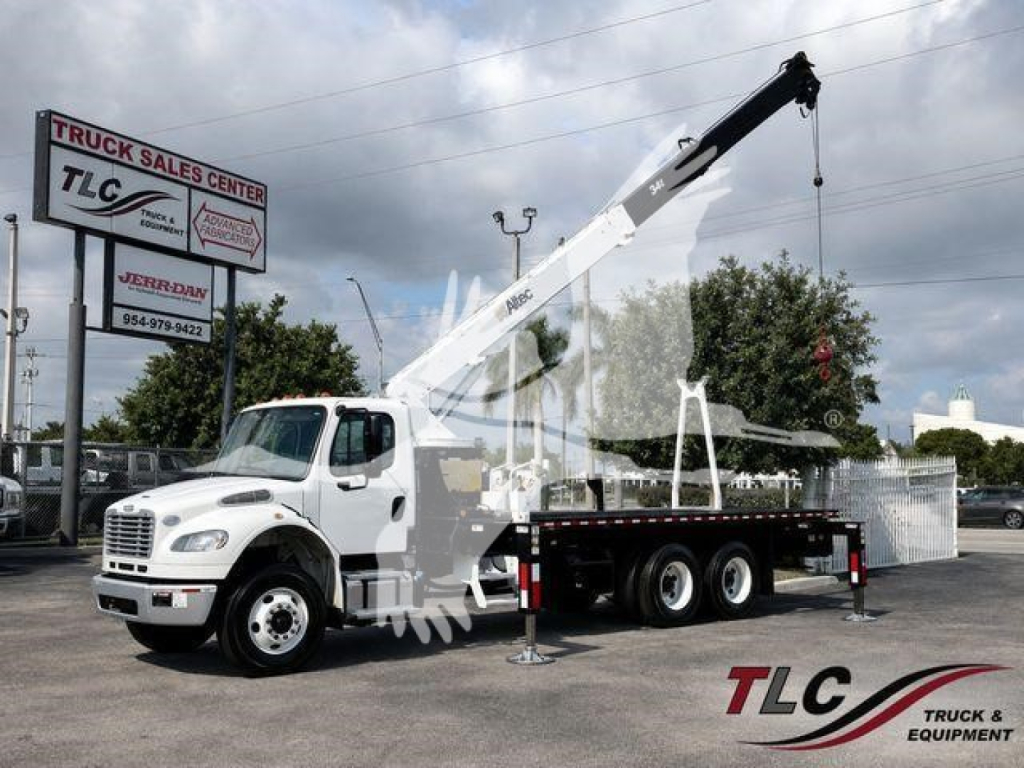
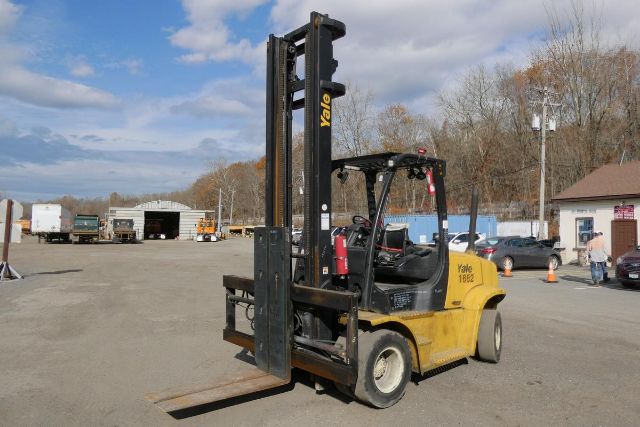
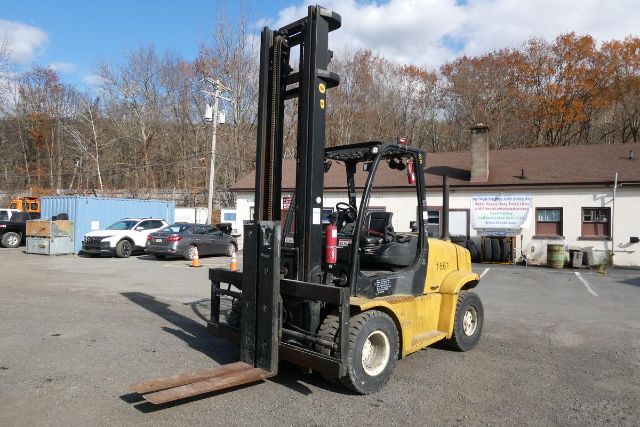
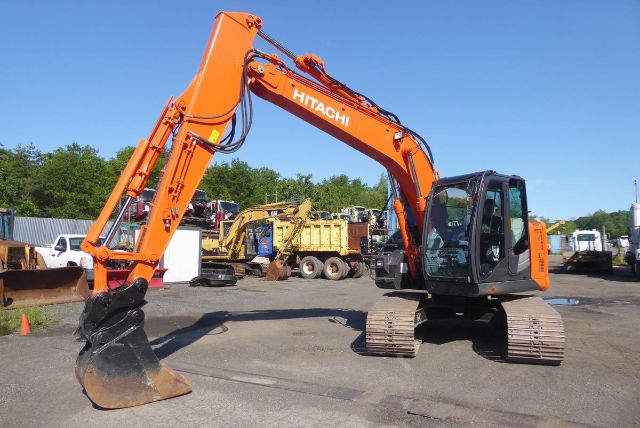
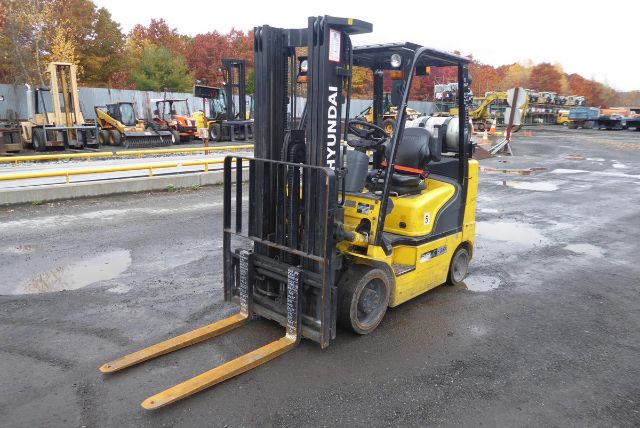
Selling a used 2016 equipment? List your used 2016 equipment for sale and reach thousands of commercial buyers.
Used 2016 Equipment
The first buying decision is usually application, not brand. In this category, buyers may be comparing sleeper and day cab semis, medium-duty box trucks, flatbeds, dump trucks, refrigerated trucks, dry vans, reefer trailers, lowboys, forklifts, skid steers, wheel loaders, excavators, and other equipment that supports freight movement. A 2016 highway tractor should be evaluated on engine make, horsepower, torque rating, transmission type, axle ratio, wheelbase, suspension, and emissions system service history. A 2016 trailer should be reviewed for GVWR, axle spread, floor condition, brake type, tire condition, crossmember integrity, and body material. Yard and loading equipment should be checked for hour meter accuracy, hydraulic condition, lift capacity, mast or boom wear, and structural repairs.
On used 2016 trucking equipment, condition matters more than age alone. Buyers should pay close attention to maintenance records, ECM data when available, frame condition, corrosion, bushing wear, hydraulic seepage, brake life, and tire date codes. For diesel-powered trucks, this model year often means modern aftertreatment systems are in play, so a clean record on DPF, DEF, EGR, injector, and turbo service can be just as important as odometer miles. On trailers and vocational units, signs of concentrated regional use can tell you a lot. Northern exposure may mean more corrosion from road treatment, while oilfield, demolition, recycling, or aggregate service can accelerate wear on suspensions, liners, pins, and body structures.
A strong 2016 unit is usually one that matches the job without carrying unnecessary complexity. Regional haul buyers may prioritize fuel economy, fairing condition, and automated manual transmissions. Heavy vocational buyers may care more about double frame construction, PTO setup, locking differentials, and rubber or walking beam suspension. Trailer buyers may focus on swing doors versus roll-up doors, scuff liners, logistics posts, liftgate specifications, or tire inflation systems. Across the board, the best value in used 2016 trucking equipment comes from verifying the machine's actual work history, confirming the major specifications, and buying around expected service needs rather than just the asking price.
Frequently Asked Questions about Used 2016 Equipment
What should I look for first when buying used 2016 trucking equipment?
Start with the exact job the equipment needs to perform, then confirm the core specifications match that use. On trucks, that means engine rating, transmission, axle configuration, wheelbase, suspension, and PTO or body compatibility if applicable. On trailers, focus on length, GVWR, axle setup, floor condition, brakes, and structural integrity. On support equipment such as forklifts, skid steers, loaders, and excavators, check operating weight, lift or bucket capacity, hydraulic performance, attachment compatibility, and undercarriage or tire condition. After that, review maintenance history and inspect for wear patterns that suggest hard service or deferred repairs.
Is 2016 model-year trucking equipment a good value compared with newer equipment?
It often is, especially for buyers balancing purchase price against capability. Many 2016 units offer modern drivability, improved cabs, and updated components while avoiding the higher capital cost of late-model equipment. The tradeoff is that 2016 equipment may already have substantial miles or hours, so the value depends heavily on service records, rebuild history, emissions system condition, and how the unit was used. A well-maintained 2016 truck or trailer can be a better buy than a newer unit with poor maintenance and the wrong spec.
How important are emissions system records on used 2016 diesel trucks?
They are very important. Most 2016 diesel trucks use modern emissions equipment, including DPF and DEF systems, and those components can be expensive if neglected. Buyers should look for documentation showing regular aftertreatment service, fault-code history when available, and any prior repairs involving EGR components, sensors, injectors, turbochargers, or one-box assemblies. A truck with a clean maintenance history and no recurring regeneration or derate issues is generally a safer purchase than one with limited records.
What are the main differences between buying a used 2016 truck and a used 2016 trailer?
A truck purchase is driven by powertrain, emissions, driveline spec, and cab or body configuration. You are evaluating how the engine, transmission, axles, suspension, and frame work together for the intended route and payload. A trailer purchase is more about structure, payload support, and loading requirements. Buyers should concentrate on frame rails, crossmembers, floor wear, roof condition, axle alignment, brakes, tires, and any cargo-control features such as scuff liners, e-track, liftgates, or refrigeration components. Trucks usually carry more mechanical risk, while trailers often hinge on structural condition and maintenance discipline.
Does mileage or hour reading matter more on used 2016 equipment?
It depends on the equipment type. For over-the-road trucks, mileage is a key indicator, but it should be considered alongside idle hours, engine history, and maintenance records. For construction, loading, and yard-support equipment, hour readings are more relevant than miles because hydraulic systems, pins, bushings, undercarriages, and driveline components wear based on operating time and application. In both cases, the raw number matters less than whether the wear level, service history, and overall condition line up with that reading.