
Used 2004 Equipment For Sale
Browse used 2004 trucking equipment for sale, including forklifts, lifts, and support equipment with specs, applications, and buyer insights.
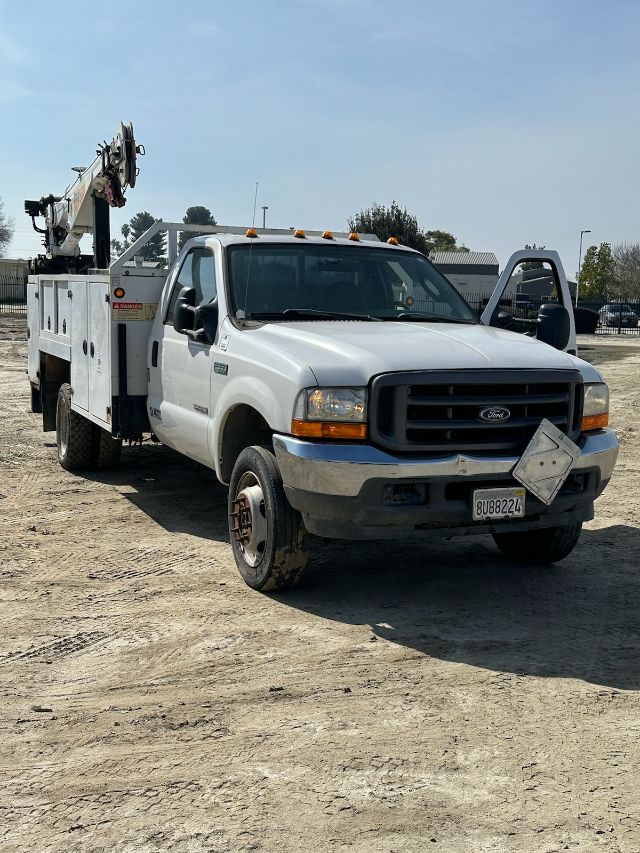
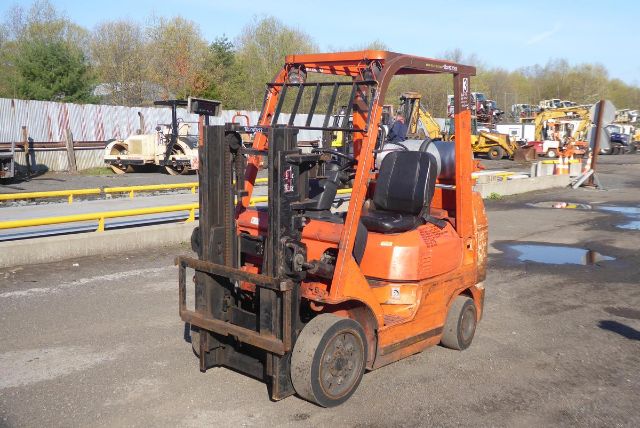
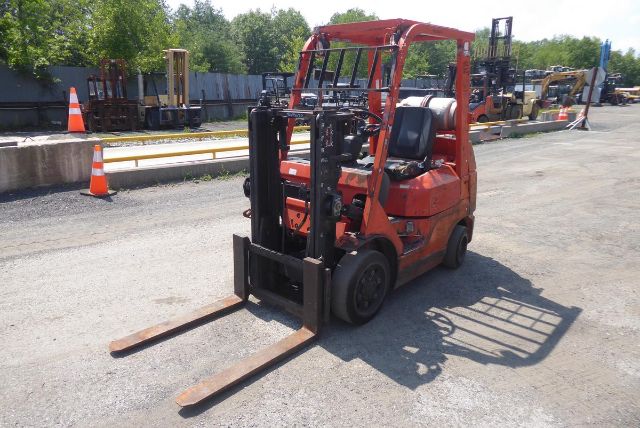
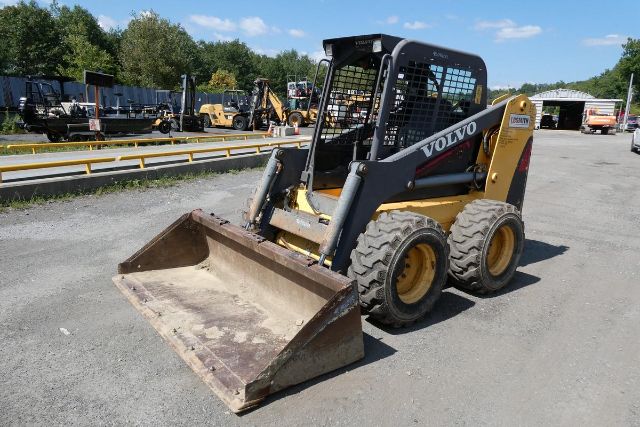
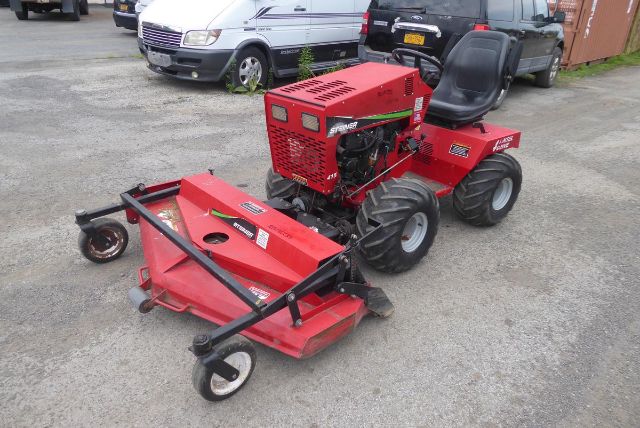
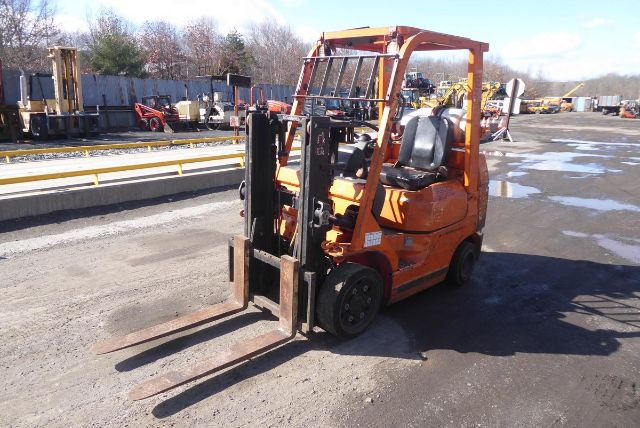
Selling a used 2004 equipment? List your used 2004 equipment for sale and reach thousands of commercial buyers.
Used 2004 Equipment
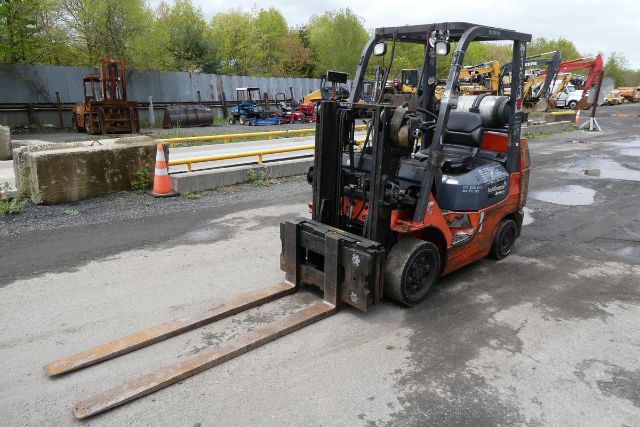
For forklifts, the core buying decisions usually come down to fuel type, lift capacity, mast configuration, tire type, and overall service history. Many 2004 forklifts in this class use propane engines and automatic transmissions, with common capacities in the 3,000 to 5,000 pound range. Solid pneumatic or cushion tires are common depending on indoor or mixed-surface use. Buyers should confirm fork length, side shift function, mast height, collapsed height for door clearance, and hydraulic condition. Hour meter readings matter, but maintenance records, cylinder seepage, steer axle wear, brake response, and transmission engagement often tell more about real condition than hours alone.
For boom lifts and other access equipment, reach, platform height, drive configuration, and hydraulic performance are the main checkpoints. Older boom lifts can still be strong performers for facility maintenance, sign work, and industrial property support if the basket controls, steering modes, and boom functions operate smoothly. On any used 2004 machine, it is smart to inspect hoses, pins, bushings, tires, and engine cold-start behavior. Diesel-powered units from this era are often valued for straightforward serviceability, but buyers should still verify parts support and look closely at any signs of hard use or deferred maintenance.
A used 2004 piece of trucking equipment is usually purchased for function first. The best value comes from matching the machine to the job cycle, surface conditions, load profile, and operator environment. In a warehouse, a compact propane forklift with side shift and a low overall height may be the right call. In an outdoor yard or industrial site, all-wheel-drive lift equipment with higher ground clearance may matter more. The category is broad, but the buying approach is consistent: verify operating capacity, dimensions, drivetrain type, hydraulic health, and serviceability before focusing on price alone.
Frequently Asked Questions about Used 2004 Equipment
What types of used 2004 trucking equipment are most common?
Used 2004 trucking equipment often includes forklifts, boom lifts, yard support equipment, and other material-handling machines used around freight operations. Forklifts are especially common because they serve docks, warehouses, and outdoor loading areas. Boom lifts also appear in this year range for facility maintenance and property support. The exact mix varies, but most buyers in this category are comparing practical jobsite machines rather than over-the-road tractors or trailers.
Is a 2004 forklift or lift too old to be a good buy?
Not necessarily. A 2004 machine can still be a strong value if it has been maintained properly and matches the intended application. Older equipment is often attractive because it can be simpler to service and less expensive to purchase than newer models. The real question is condition, not just age. Engine performance, hydraulic function, mast or boom wear, tire condition, and parts availability should carry more weight than the model year by itself.
What should I inspect first on used 2004 material-handling equipment?
Start with the major systems that affect safety and operating cost. Check engine start-up, exhaust condition, transmission response, braking, steering, hydraulics, and any visible leaks. On forklifts, inspect mast rollers, chains, forks, side shift operation, and lift cylinder condition. On boom lifts, verify platform controls, emergency lowering systems, boom extension, and steering performance. Tire wear, structural cracks, and signs of poor repairs are also important indicators of how the machine has been treated.
What capacity range is typical for used 2004 forklifts?
Many used 2004 forklifts fall in the 3,000 to 5,000 pound capacity range, which covers a large share of warehouse and dock work. That said, the right capacity depends on the actual load center, fork length, lift height, and attachment setup. A forklift rated for one capacity at a standard load center may handle less when using longer forks or lifting to greater heights. Buyers should always confirm the data plate and make sure the machine is rated for the real operating conditions.
Why do buyers still choose propane or diesel equipment from this era?
Propane and diesel units from the 2004 model year are often chosen for durability, familiar service requirements, and broad parts knowledge in the field. Propane forklifts are popular for indoor and mixed-use applications because refueling is quick and operation is generally clean compared with older diesel units. Diesel-powered lifts and outdoor equipment remain common where torque, runtime, and rough-surface capability matter. In both cases, buyers are usually balancing fuel preference, operating environment, and maintenance simplicity.