
Used 2001 Equipment For Sale in New York
Browse used 2001 trucking equipment in New York. Compare specs, applications, condition factors, and common options before you buy.
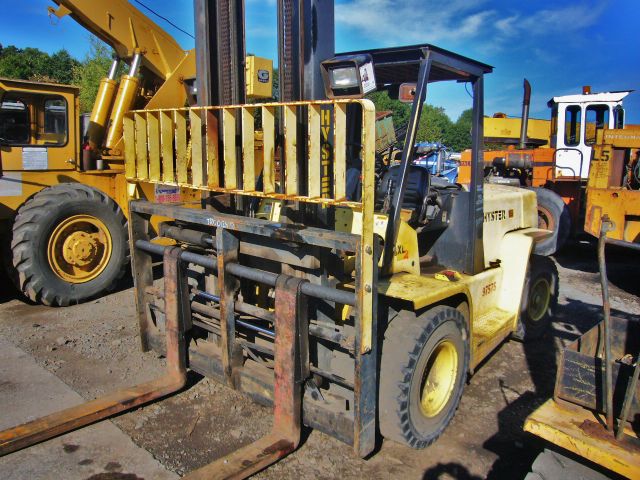
Selling a used 2001 equipment? List your used 2001 equipment for sale and reach thousands of commercial buyers.
Used 2001 Equipment in New York
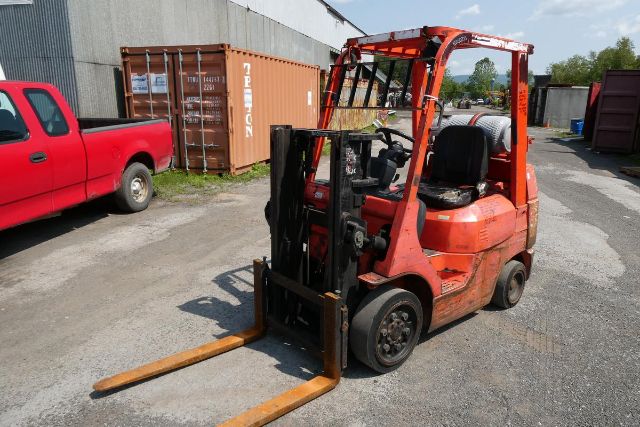
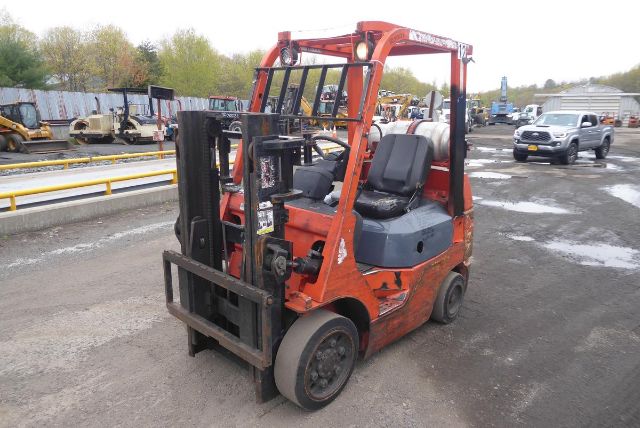
The term trucking equipment covers a wide range of assets, including day cabs, sleepers, dump trucks, flatbeds, refrigerated trucks, box trucks, trailers, yard spotters, forklifts, loaders, generators, and support equipment used around terminals, fleets, and job sites. For 2001 model year equipment, common diesel platforms may include mechanical or early electronic engines, simpler emissions systems, and more straightforward diagnostics than later units. That simplicity can be an advantage for owner-operators, farms, municipalities, and smaller contractors that value easier field service and lower acquisition cost, but buyers still need to confirm engine model, transmission type, axle ratings, brake configuration, PTO setup, and any body or attachment compatibility.
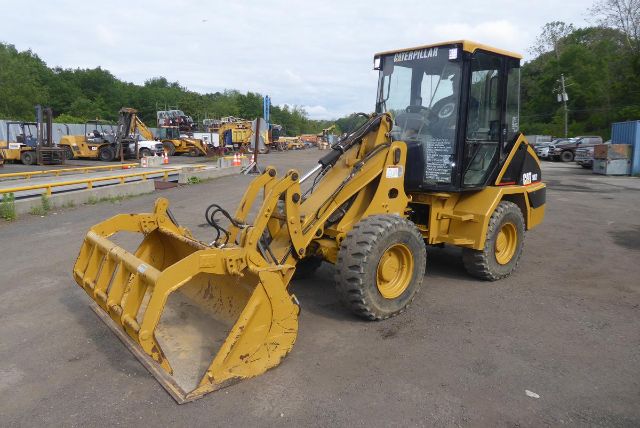
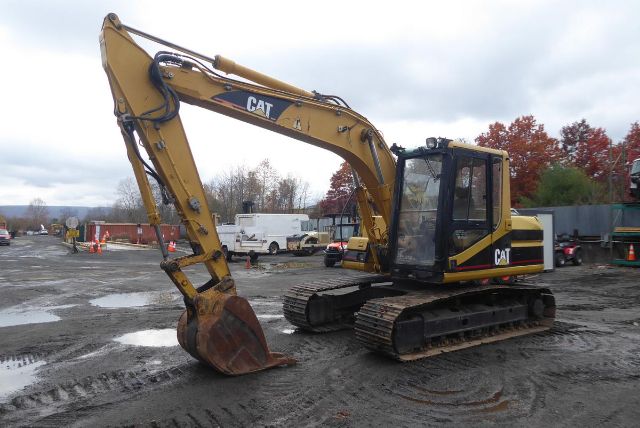
A smart evaluation starts with the hours or miles, but that never tells the full story. Look for cold-start behavior, blow-by, fluid contamination, transmission shift quality, suspension wear, steering play, brake performance, and signs of previous accident or weld repair. On vocational trucks and related equipment, inspect hoists, wet kits, hydraulic cylinders, pumps, control valves, lift masts, drums, buckets, and quick-attach systems. Tires can swing ownership cost quickly, and so can deferred maintenance on cooling systems, injectors, kingpins, bushings, and electrical harnesses. If the unit will operate in New York, verify registration requirements, axle spacing, bridge law implications, lighting, and any application-specific compliance issues before purchase.
The best used 2001 trucking equipment is usually the unit that fits the job with the least compromise. A buyer moving pallets may prioritize lift capacity, mast height, and turning radius. A contractor may care more about hydraulic output, operating weight, and attachment availability. A fleet buyer may focus on standardization, service access, and component interchangeability. Matching the equipment to payload, terrain, duty cycle, and maintenance capability will matter more than brand preference alone, especially in an older used category where condition and prior care determine long-term value.
Frequently Asked Questions about Used 2001 Equipment in New York
What should I inspect first on used 2001 trucking equipment?
Start with the major cost items: engine, transmission, differentials, hydraulics, frame, and electrical system. On equipment from 2001, corrosion, leaks, worn pins and bushings, brake condition, tire wear, and evidence of past repairs often matter more than appearance. A cold start, full function test, and inspection of service records can reveal far more than an hour meter or odometer alone.
Is 2001 model year trucking equipment still practical for commercial use?
It can be, if the equipment matches the application and has been maintained properly. Many 2001 units use simpler powertrains and less complex emissions hardware than newer equipment, which can reduce repair complexity. The tradeoff is age-related wear, possible parts availability issues on certain models, and a greater need for careful inspection before purchase.
Why does location in New York matter when buying used equipment?
New York conditions can accelerate rust and corrosion because of road salt, winter moisture, and freeze-thaw cycles. Buyers should closely inspect frames, crossmembers, brake lines, suspension mounts, cab floors, trailer rails, and electrical connections. Regional use also affects spec choices such as axle setup, tire type, and cooling performance for stop-and-go or seasonal work.
What specs matter most when comparing older trucking equipment?
The key specs depend on the equipment type, but buyers generally should verify engine make and horsepower, transmission type, axle ratings, GVWR or capacity, hydraulic flow or pressure where applicable, tire size, brake system, dimensions, and attachment or body compatibility. On forklifts and loaders, lift capacity, mast or bucket configuration, and operating weight are critical. On trucks and trailers, wheelbase, suspension, PTO provision, and body setup often drive usability.
How important are service records on used 2001 equipment?
Service records are one of the best indicators of value in an older unit. Documentation of oil changes, injector work, cooling system service, brake jobs, hydraulic repairs, and major component rebuilds can justify a higher asking price because it reduces uncertainty. Without records, the buyer should assume more risk and inspect the machine or truck more aggressively.