
Used 2001 Equipment For Sale
Browse used 2001 trucking equipment for sale, including trailers, truck bodies, drivetrain components, and fleet support equipment.
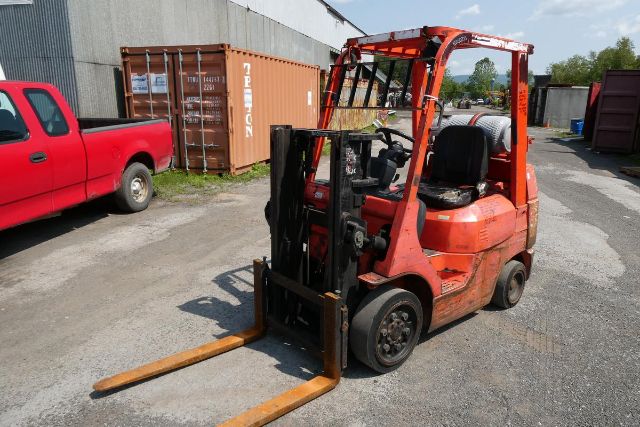
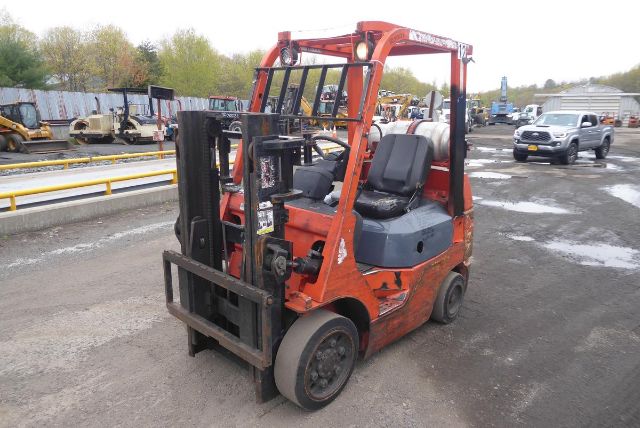
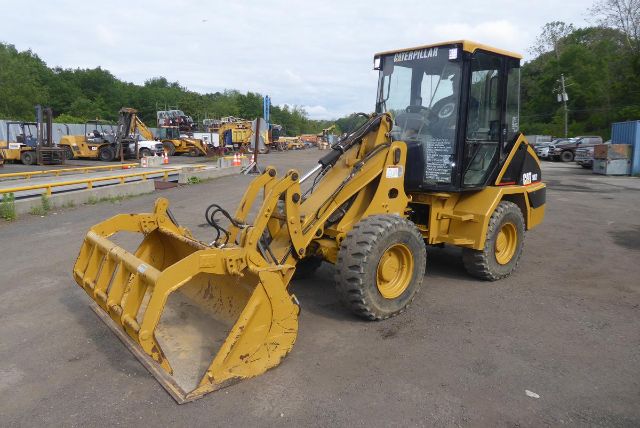
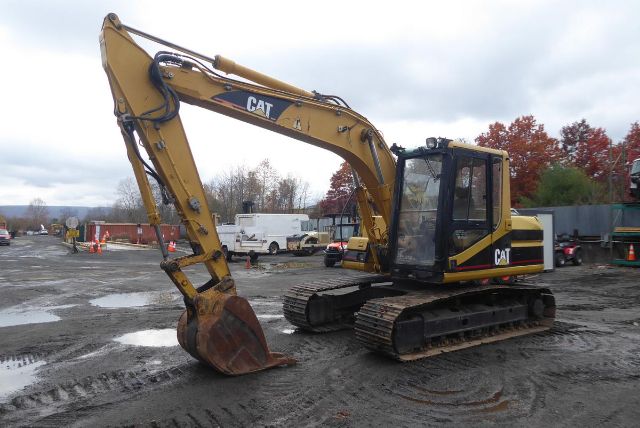
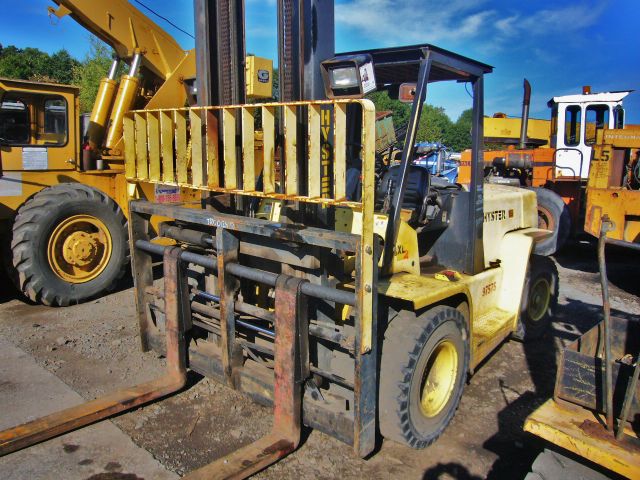
Selling a used 2001 equipment? List your used 2001 equipment for sale and reach thousands of commercial buyers.
Used 2001 Equipment
A smart buying decision in this category starts with application. For freight use, that means checking axle ratings, suspension type, wheelbase, PTO setup, kingpin or hitch configuration, and body dimensions. For support equipment and yard-related assets, capacity, mast or boom wear, tire type, hydraulic response, and operating hours often matter more than model year alone. Used 2001 trucking equipment may include diesel-powered units, propane equipment, electric lift equipment, trailers, loading gear, and shop or lot support machines. Matching the equipment to duty cycle is critical because an older asset can still perform well in regional, seasonal, backup, or lower-hour roles if the specs line up with the work.
Condition inspection should be more detailed on 2001 equipment than on newer model years. Look closely for rust-through, previous weld repairs, pin and bushing wear, fluid leaks, brake wear, steering looseness, and outdated lighting or wiring. On hydraulic equipment, pay attention to cylinder seepage, pump noise, hose age, and attachment wear. On truck-related equipment and trailers, inspect crossmembers, landing gear, floor condition, air lines, ABS components, and tire date codes. If the unit uses an older diesel engine, verify cold-start behavior, blow-by, injector performance, and parts availability. A lower purchase price can be offset quickly by deferred maintenance, so buyers should compare repair exposure as closely as they compare asking price.
For many fleets and owner-operators, used 2001 trucking equipment makes sense when the goal is affordable capacity, a backup unit, or specialized equipment that does not need the payment structure of newer iron. The best values tend to be straightforward, well-maintained units with documented repairs and common components that can still be sourced through aftermarket or OEM channels. A clean inspection, clear understanding of intended use, and realistic maintenance budget are what separate a dependable older asset from a project.
Frequently Asked Questions about Used 2001 Equipment
Is used 2001 trucking equipment still practical for commercial use?
Yes, used 2001 trucking equipment can still be practical if the unit matches the job and has been maintained properly. Many buyers use equipment from this model year for backup service, seasonal work, yard operations, lighter regional duty, or specialized applications where lower acquisition cost matters more than late-model features. The key is to evaluate current mechanical condition, structural soundness, and repair history instead of relying on age alone.
What should I inspect first on 2001 trucking equipment?
Start with the major cost items: engine or power source condition, transmission or drive system operation, hydraulic performance if equipped, structural integrity, brakes, tires, and electrical system condition. On trailers and truck-mounted equipment, pay close attention to frame rails, crossmembers, suspension wear, air systems, and corrosion. On powered support equipment, review operating hours, mast or boom wear, steering response, and evidence of fluid leaks or hard starting.
Are parts still available for 2001 trucking equipment?
Parts availability depends heavily on make, model, engine family, and component brand. Common driveline, brake, suspension, hydraulic, and electrical parts are often still available through aftermarket suppliers, salvage channels, or OEM networks. The risk is higher with low-production models, discontinued electronic controls, or specialized attachments. Buyers should confirm support for major components before purchase, especially for older engines, hydraulic pumps, control modules, and proprietary attachments.
Does older trucking equipment have any advantages over newer models?
In some cases, yes. Older equipment is often valued for lower purchase cost, simpler mechanical systems, and reduced emissions-related complexity compared with later model years. That can make troubleshooting and repair more manageable for fleets with in-house maintenance capability. The tradeoff is that older units usually require more careful inspection and a more realistic plan for ongoing repairs, hoses, seals, wiring, tires, and wear components.