
Used 1993 Equipment For Sale
Browse used 1993 trucking equipment for sale, including older work-ready trucks, trailers, and support equipment with proven mechanical simplicity.
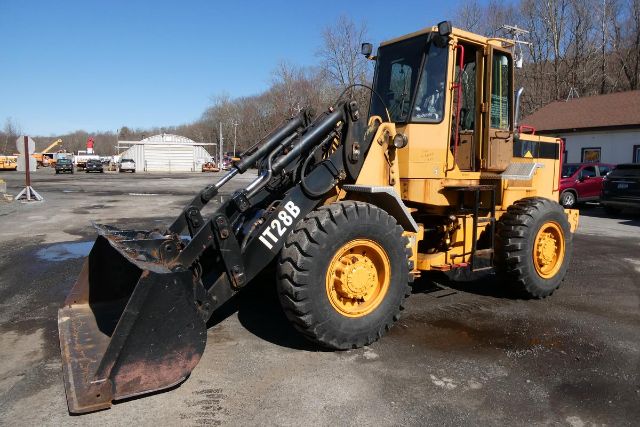
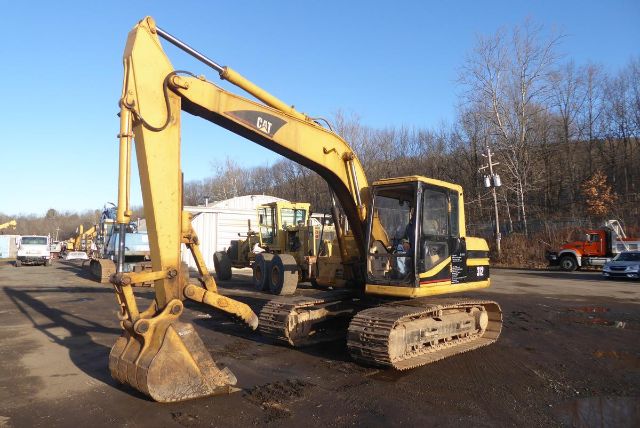
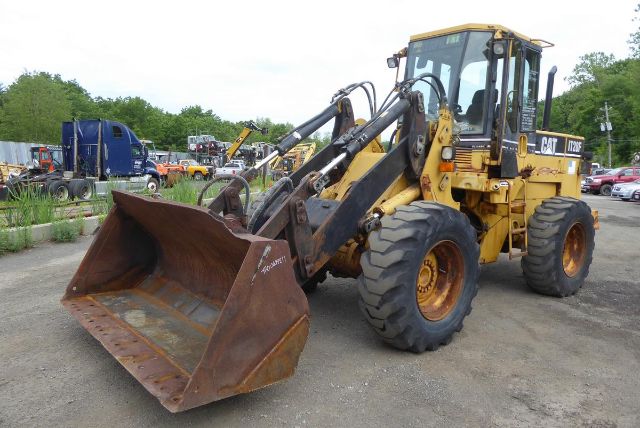
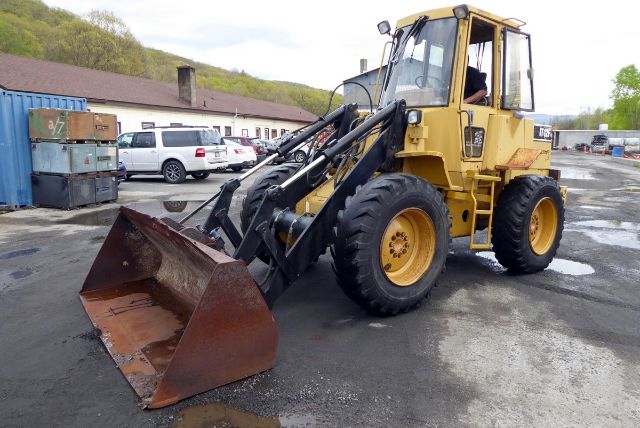
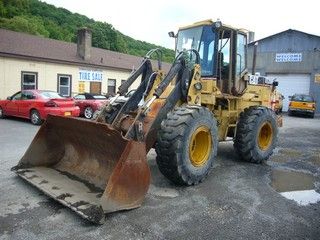
Selling a used 1993 equipment? List your used 1993 equipment for sale and reach thousands of commercial buyers.
Used 1993 Equipment
For truck buyers, the biggest decision points are engine family, transmission setup, axle ratings, suspension, and intended duty cycle. Many 1993 trucks were built before modern emissions complexity, which can make them attractive for operators who prioritize straightforward diagnostics and lower repair exposure. At the same time, age brings predictable inspection items: rust at cab mounts and crossmembers, steering play, air leaks, brake drum or slack adjuster wear, cooling system condition, differential noise, and wiring repairs from years of use. On trailers and other non-powered equipment, pay close attention to VIN legibility, kingpin wear, suspension bushings, floor condition, landing gear operation, lighting circuits, tire date codes, and signs of prior structural repair.
Application matters more than model year alone. Some buyers want a 1993 truck or trailer for local hauling, seasonal harvest work, container yard duty, equipment transport, or as a low-cost spare unit. Others are looking for export-friendly equipment because older trucks and trailers can be easier to place in markets where mechanical drivetrains and basic air brake systems are preferred. If the equipment will run on public roads, verify compliance issues early, including title status, brake requirements, lighting, tire regulations, and any state or provincial age-related inspection standards. If the unit is for off-road or private property use, practical concerns shift toward startup reliability, hydraulic function, PTO operation, and overall structural soundness.
A good used 1993 trucking equipment purchase is usually one with a clear service history, matching wear patterns, and specifications that fit the job without overbuying. Look for complete serial and identification tags, accurate meter or odometer disclosure when available, and enough detail to judge how the equipment was used. Older equipment can deliver solid value when the core systems are right: engine compression, transmission engagement, brake performance, suspension condition, and frame alignment. Buyers comparing listings should focus on measurable facts such as GVWR, axle spacing, wheelbase, engine horsepower, transmission type, suspension design, trailer dimensions, and documented repairs rather than assuming all 1993 equipment carries the same risk or capability.
Frequently Asked Questions about Used 1993 Equipment
Is used 1993 trucking equipment still a practical buy for commercial use?
It can be, but practicality depends on the application and the unit’s condition. Many 1993 trucks and trailers are best suited for limited-mileage work, private property use, seasonal operations, backup service, or export. The main advantage is simpler mechanical design and lower purchase cost. The main risk is age-related wear, deferred maintenance, and parts availability for certain makes or components. A buyer should evaluate service records, structural condition, drivetrain health, and legal compliance before putting an older unit into revenue service.
What should I inspect first on a 1993 truck or trailer?
Start with the major value and safety items. On a truck, inspect the engine, transmission, axles, brakes, steering, frame rails, suspension, and electrical system. Check for blow-by, coolant contamination, hard shifting, air leaks, rust-through, and uneven tire wear. On a trailer, inspect the frame, kingpin, crossmembers, floor, suspension, brakes, hubs, and lighting. Older equipment often shows repairs, so the quality of those repairs matters as much as the presence of wear itself.
Are parts harder to find for 1993 trucking equipment?
Parts availability varies by make, model, engine family, and component supplier. Common drivetrain and brake components may still be widely available through aftermarket channels, salvage yards, and specialty suppliers. Body, trim, cab interior, and model-specific electrical parts can be harder to source. Before buying, confirm support for the engine, transmission, axle housings, brake system, and any hydraulic or PTO components that are critical to the equipment’s intended use.
Why do some buyers prefer pre-emissions era trucks from the early 1990s?
Many buyers value early 1990s trucks because they typically have less emissions-related hardware and simpler electronic systems than newer models. That can make troubleshooting more direct and reduce exposure to expensive emissions repairs. The tradeoff is that these units are much older, often have more cumulative wear, and may not meet all operating requirements in every jurisdiction or fleet environment. Simpler design does not replace the need for a thorough mechanical inspection.
Does model year 1993 matter more than hours, miles, or maintenance history?
Maintenance history and actual condition usually matter more. A well-kept 1993 truck or trailer with documented repairs and consistent use can be a better buy than a newer-looking unit with missing records and obvious neglect. Hours and miles are important, but they need context. Wear on pedals, seats, controls, hitch components, suspension points, and brake hardware often tells a more accurate story about how the equipment was used and maintained over time.