
2008 Toyota Equipment For Sale
Browse 2008 Toyota trucking equipment, including durable Toyota forklifts known for LPG power, tight turning radius, and dependable warehouse use.
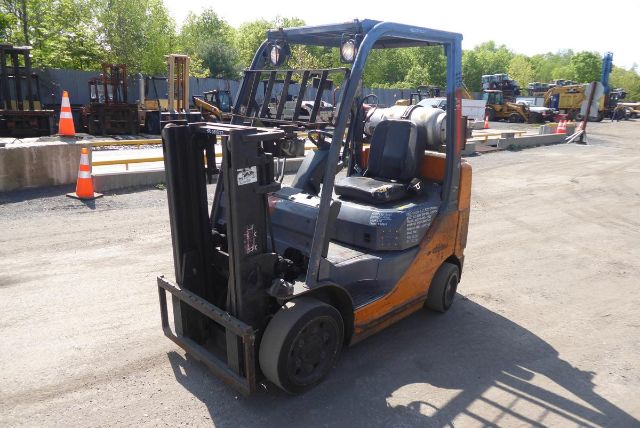
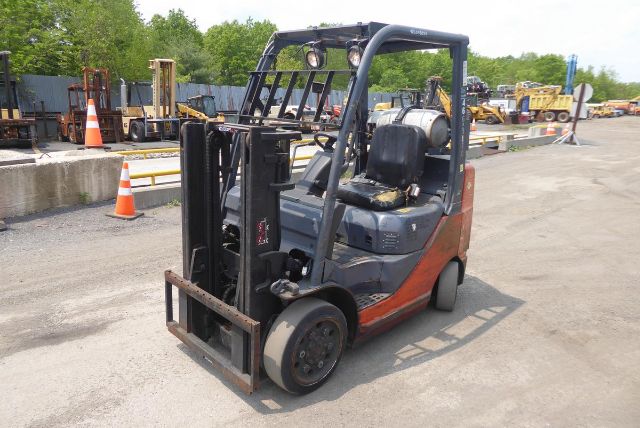
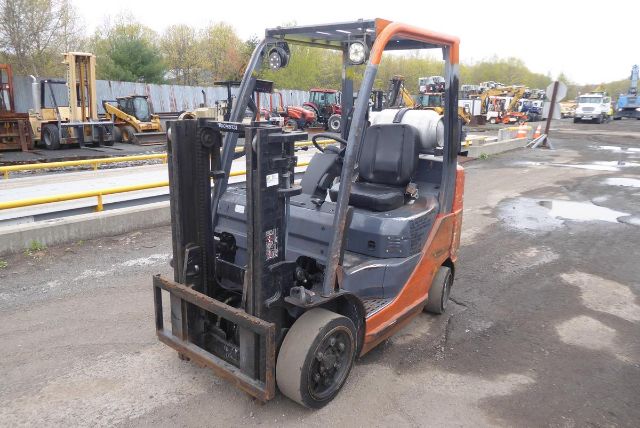
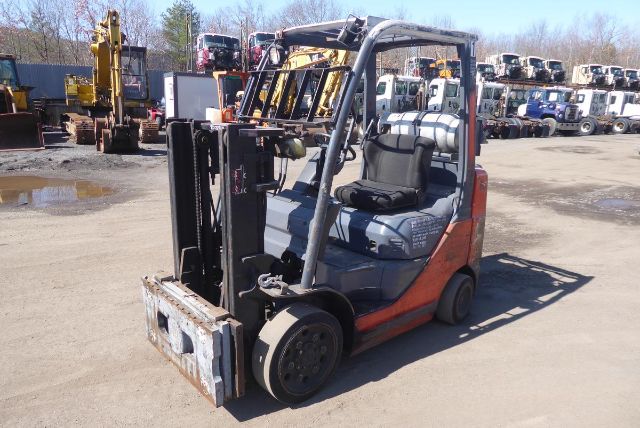
Selling a 2008 toyota equipment? List your 2008 toyota equipment for sale and reach thousands of commercial buyers.
2008 Toyota Equipment
A typical 2008-era Toyota forklift in this category may be propane powered with a 4-cylinder engine, automatic directional transmission, and solid cushion tires. That setup is well suited for smooth concrete surfaces and repeated stop-and-go cycles around loading docks. Buyers should compare dual-stage and triple-stage masts, fork length, side shift, attachment compatibility, and maximum lift height. Lowered mast height is especially important if the truck will operate inside trailers, under door headers, or in older buildings with limited clearance. If forks, LP tank brackets, scale systems, or other attachments are missing, replacement cost should be part of the purchase decision.
Condition matters more than model year on used Toyota material handling equipment. Hour meter readings help, but service history, hydraulic leak checks, mast wear, steer axle condition, brake response, and cold-start behavior tell the real story. On propane units, pay attention to idle quality, throttle response, vaporizer condition, and any signs of oil pressure or ignition issues. Solid tire wear, chain stretch, carriage play, and cylinder seepage can all affect immediate usability and repair expense. Toyota forklifts are generally valued for parts support, operator familiarity, and long-term durability, which makes them a practical choice for fleets that need dependable indoor lift equipment without stepping into a new-unit price range.
The right match depends on the work cycle. A buyer handling standard pallets in a warehouse may prioritize turning radius, visibility through the mast, and simple LPG refueling. A shipper loading flatbeds or vans at a terminal may focus more on lift stability, attachment options, and consistent performance over long shifts. When comparing 2008 Toyota trucking equipment, it pays to verify actual capacity at height, mast type, tire style, and overall operating weight so the machine fits both the application and the floor environment.
Frequently Asked Questions about 2008 Toyota Equipment
What type of Toyota trucking equipment is most common in this category?
The most common Toyota equipment in this category is a forklift, also called a lift truck or fork lift. Many used Toyota units from this period are warehouse-oriented cushion-tire forklifts designed for pallet handling, dock loading, and indoor material movement. They are commonly propane powered and built for smooth paved or concrete surfaces rather than rough outdoor yards.
What capacity range should I expect from a 2008 Toyota forklift?
A common capacity range is about 4,000 to 5,000 pounds, although exact rated capacity depends on the model, mast, attachment setup, and load center. Buyers should verify the data plate instead of relying only on the model name because actual capacity can change with side shifts, longer forks, clamps, or higher lift configurations. Capacity at full height is especially important if the machine will stack product in racking.
Are propane Toyota forklifts a good choice for warehouse use?
Yes, propane Toyota forklifts are a common choice for warehouses and freight docks because they refuel quickly, deliver steady power through long shifts, and work well in frequent stop-and-go applications. They are especially practical in operations that do not want battery charging infrastructure. The main consideration is making sure the engine, fuel system, and emissions-related components are operating correctly, since poor idle quality or hard starting can point to needed repairs.
What should I inspect on a used Toyota forklift before buying?
Focus on mast wear, lift chains, hydraulic cylinders, steer axle play, brake performance, tire condition, and the way the machine starts, idles, and shifts under load. Check for leaks, unusual exhaust smoke, weak tilt or lift functions, and excessive slop in the carriage. It is also important to confirm the hour meter appears credible, the safety decals and data plate are present, and any missing forks or attachments are accounted for in the total ownership cost.
What is the difference between cushion-tire and pneumatic-tire Toyota forklifts?
Cushion-tire forklifts typically use solid tires and are built for indoor use on smooth floors, with a tighter turning radius and a lower overall profile. Pneumatic-tire forklifts sit higher and are better suited for uneven pavement, lumber yards, and outdoor applications. If the work is mainly inside a warehouse or at a loading dock with finished surfaces, a cushion-tire Toyota is often the better fit.