
2008 Toyota Lifts - Fork For Sale
Browse 2008 Toyota forklifts for sale. Compare LPG cushion-tire lift specs, capacity, mast height, hours, and warehouse-ready features.
Have 2008 toyota lifts - fork equipment to sell? List it here to reach thousands of buyers.
2008 Toyota Lifts - Fork
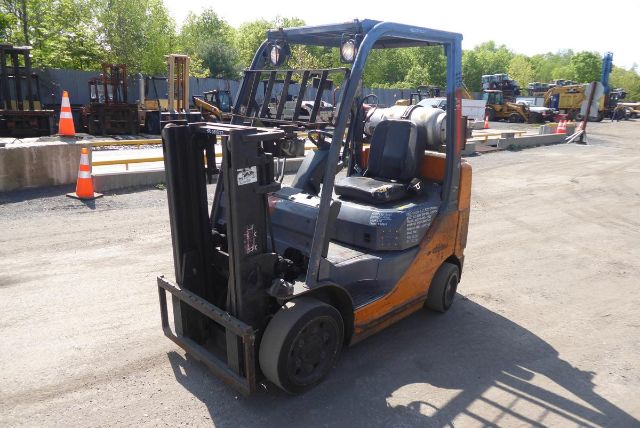
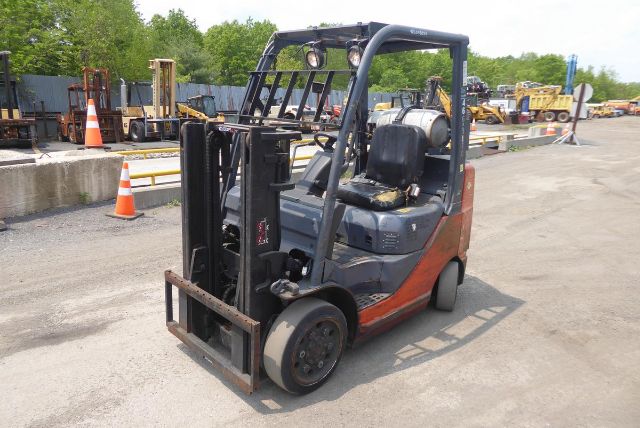
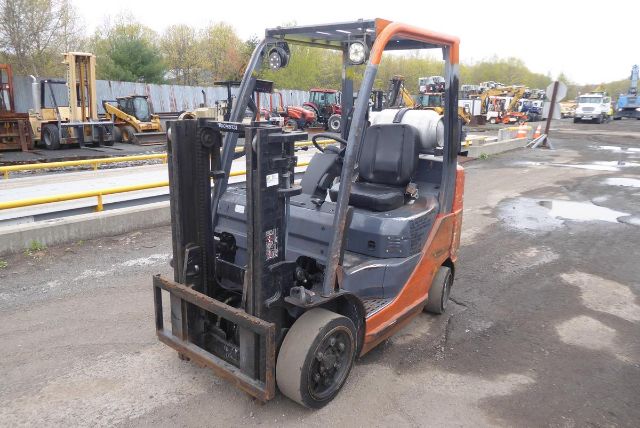
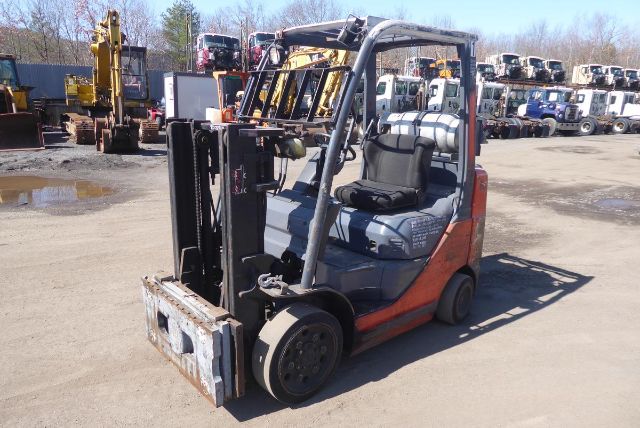
For most buyers, the key decisions start with power source, mast configuration, and actual lift condition. Many 2008 Toyota fork lifts in this category are LPG or propane units with a 4-cylinder engine and automatic directional control, which makes them well-suited for frequent stop-and-go cycles. Cushion-tire setups are common, and they deliver tight turning radius and good maneuverability in loading lanes and warehouse aisles, but they are best on paved, level surfaces rather than rough outdoor yards. A common setup in this size range includes a dual mast, roughly 80-inch collapsed height, about 7 foot 8 inch overall length without forks, and approximately 3 foot 5 inch overall width. Buyers should confirm lowered mast height for door clearance, maximum lift height, side-shift if equipped, and whether forks are included, since missing forks or attachment changes can affect total acquisition cost right away.
Operating hours matter, but maintenance condition matters more on a used forklift. A Toyota with higher hours can still be a sound machine if the mast channels are tight, lift and tilt cylinders are dry, steer axle response is clean, and the transmission engages forward and reverse without hesitation. Pay close attention to hydraulic seepage, chain wear, carriage play, brake feel, steering slop, and warning lights on the dash. On propane units, verify regulator performance, fuel system condition, cold-start behavior, and emissions-related service history. Solid tires are common on these lifts, so check remaining tread profile, chunking, and uneven wear. Capacity tags, data plates, and overhead guard integrity should also be verified, especially if the truck has been used with clamps or other attachments that change rated capacity.
Toyota forklifts hold their value well because they are widely supported and familiar to service technicians across North America. That makes a 2008 Toyota fork lift attractive for fleets adding a dependable spare unit, smaller operations building out warehouse capability, or buyers replacing an aging dock truck with a proven brand. The best comparison points across listings are not just year and hours, but lift capacity, mast type, attachment package, tire style, service records, and overall hydraulic and drivetrain condition. If the application is indoor warehousing on finished floors, a cushion-tire Toyota in the 4,000-pound class remains one of the most common and practical forklift configurations on the market.
Frequently Asked Questions about 2008 Toyota Lifts - Fork
What is the typical capacity of a 2008 Toyota forklift in this category?
Many 2008 Toyota forklifts in the common 8FGCU25 class are rated around 4,300 to 4,500 pounds. Actual safe capacity depends on load center, mast height, attachment type, and the truck’s data plate. If a unit has a side-shift, clamp, or other attachment, the effective capacity may be lower than the base rating, so buyers should always verify the capacity tag on the specific truck.
Are 2008 Toyota forklifts good for indoor warehouse use?
Yes. Many of these Toyota fork lifts are cushion-tire propane models built for indoor warehouse, dock, and manufacturing environments with smooth concrete floors. They offer good maneuverability, compact dimensions, and fast directional changes for pallet handling. They are less suitable for rough terrain, gravel, or uneven outdoor surfaces where a pneumatic-tire forklift would usually be the better fit.
What should I inspect first on a used Toyota forklift from this year?
Start with the mast, hydraulics, and drivetrain. Check for chain stretch, carriage looseness, mast roller wear, cylinder leaks, and smooth lift and tilt operation under load. Then evaluate forward and reverse engagement, steering response, brake performance, propane fuel system operation, solid tire condition, and any active warning lights. A forklift can have high hours and still be productive if these core systems are in good condition and properly maintained.
Why do some used forklifts in this category come without forks?
Forks are often removed, swapped for specialty lengths, or replaced with attachments such as clamps, carton handlers, or rotators. That is common in used material handling equipment. Buyers should confirm fork class, length, thickness, and carriage compatibility before purchase because replacing forks adds cost and affects how quickly the truck can be put into service.
Is parts and service support still strong for a 2008 Toyota forklift?
Toyota generally remains one of the better-supported forklift brands in the used market. Parts availability, technician familiarity, and aftermarket support are strong compared with many lesser-known brands. That support helps control downtime and makes these lifts appealing to buyers who need a dependable warehouse truck without stepping into the cost of a newer unit.