
Other For Sale in New York
Browse other trucking equipment including generators, light towers, sweepers, utility vehicles, and specialty support units for fleet operations.
Learn more
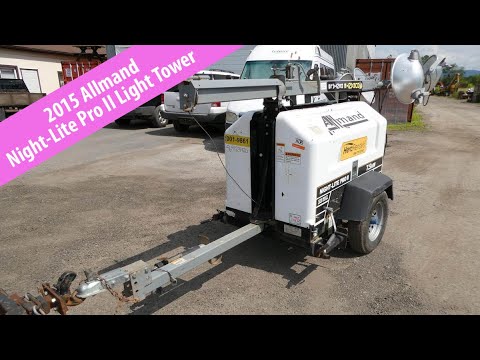
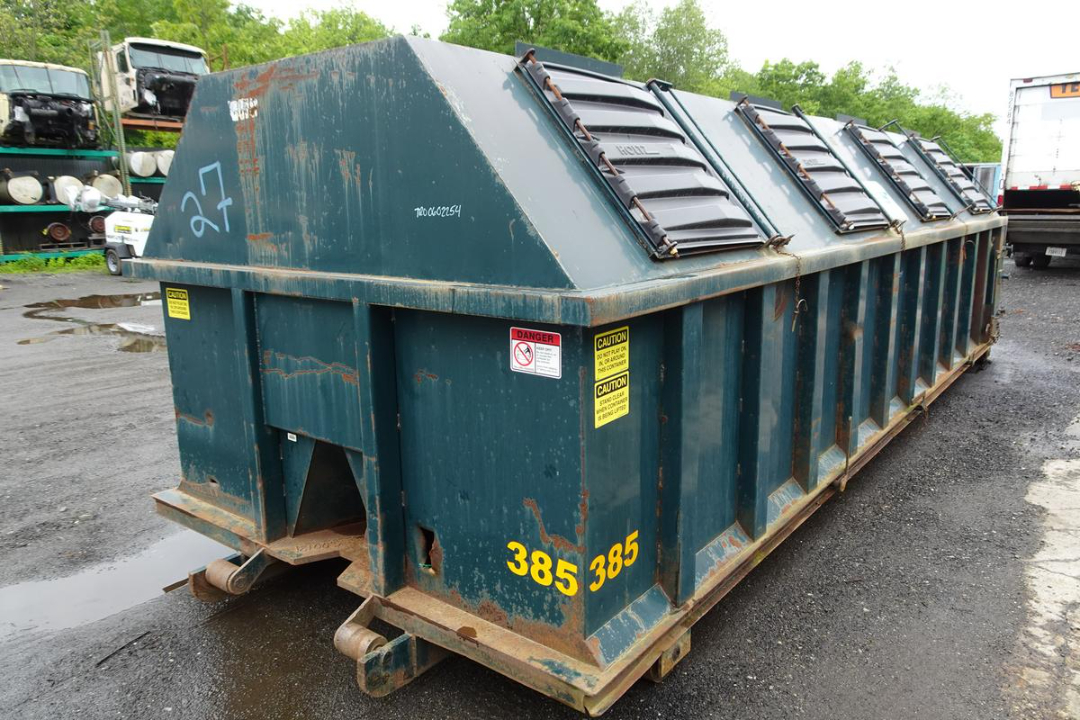
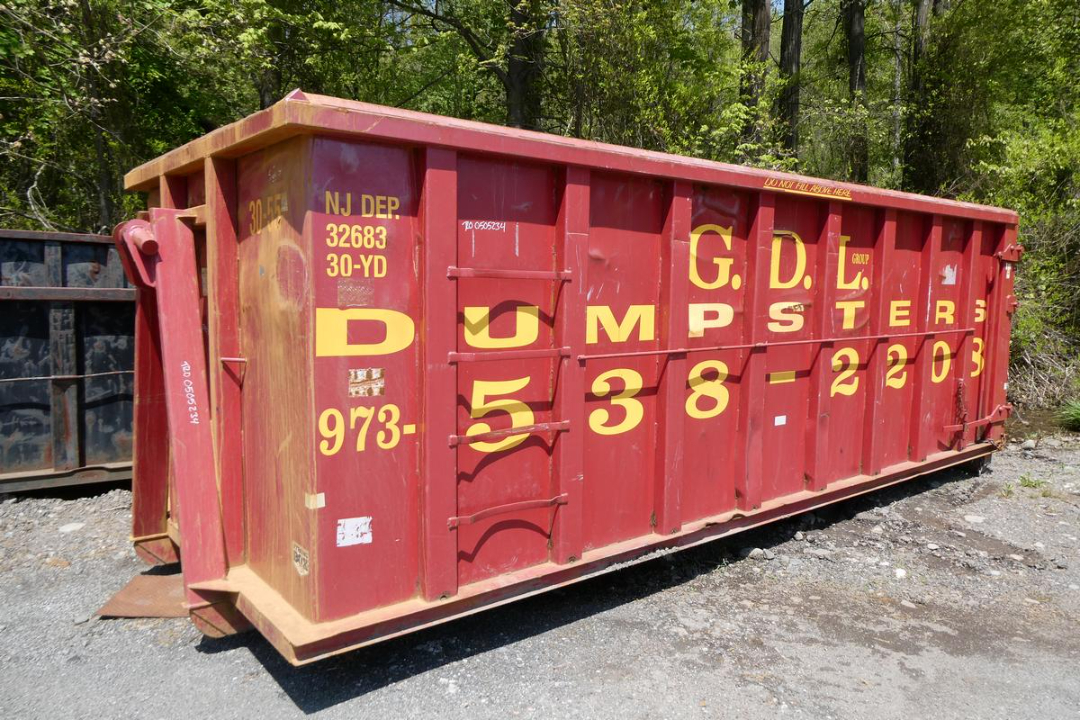
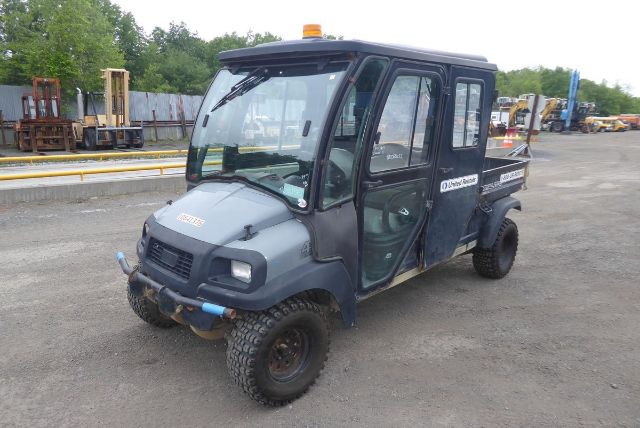
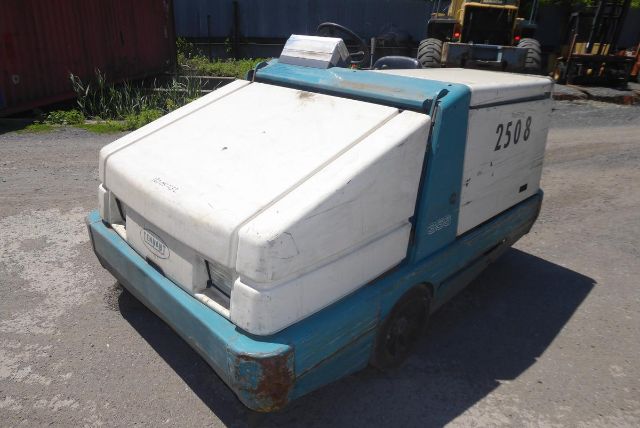
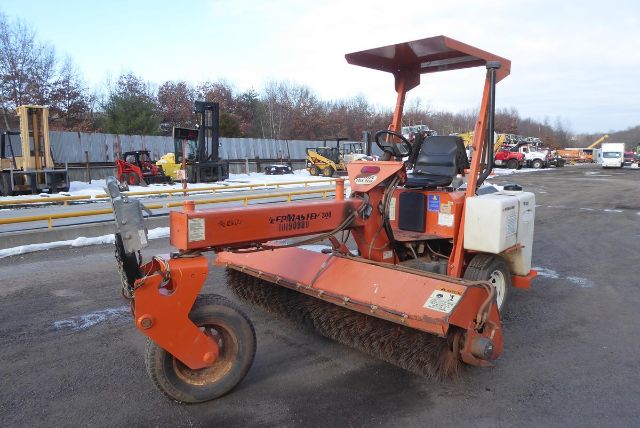
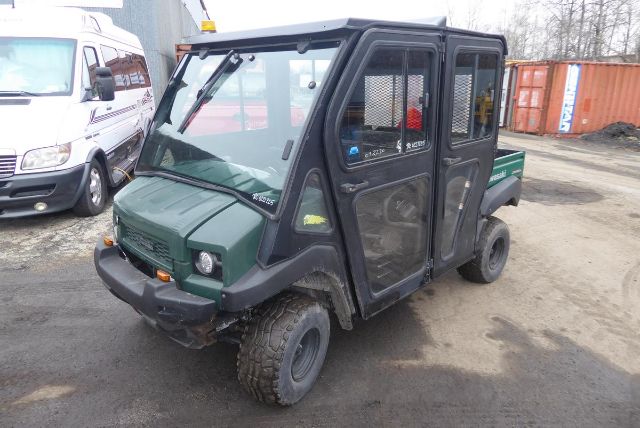
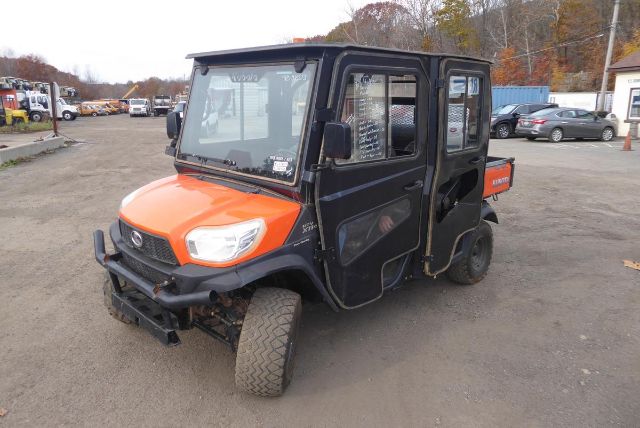
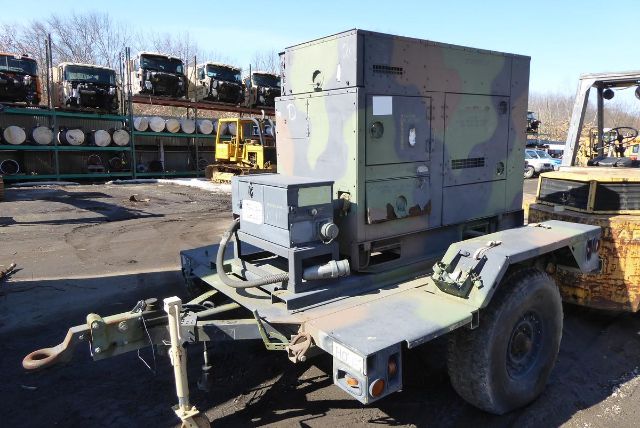
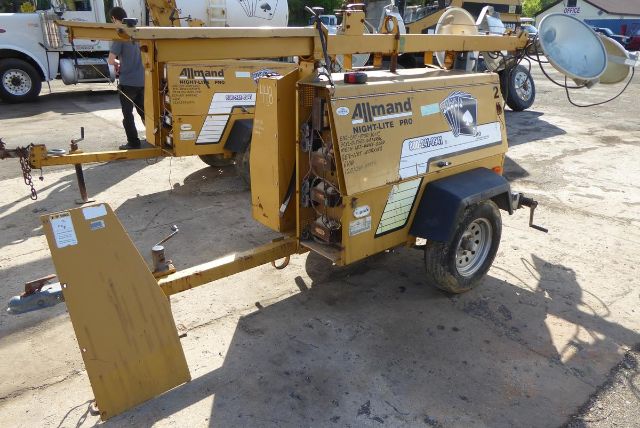
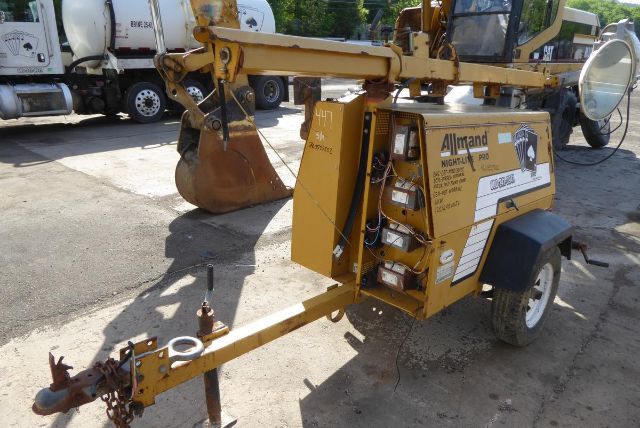
Showing 1 to 12 of 14 results
Have other equipment to sell? List it here to reach thousands of buyers.
About Other in New York
A smart buying decision starts with the job the equipment has to perform. For generators and light plants, look at continuous output, voltage options, single-phase versus three-phase capability, receptacle layout, engine make, and fuel type. For sweepers, focus on broom condition, hydraulic performance, hopper or debris capacity, machine width, and tire type if the unit will be used on mixed pavement. For utility vehicles and compact support units, common decision points include payload, dump body dimensions, seating capacity, 2WD versus 4WD, hitch setup, cab enclosure, heat, and ground clearance. Hour meter readings matter, but parts support and overall maintenance history usually tell more about remaining value.
Transport and site compatibility are easy to overlook in this category. Weight, overall width, towability, pintle or ball coupler setup, and loading requirements can determine whether a machine fits your current fleet without adding another trailer or truck. Electrical equipment should be matched to the actual load profile, not just peak output. Yard and facility equipment should be checked for turning radius, indoor ventilation needs, solid versus pneumatic tires, and operator visibility. On older specialty equipment, buyers should pay close attention to controls, safety interlocks, battery and charging systems, hydraulic leaks, and the availability of wear items such as filters, belts, brushes, lamps, and tires.
Because this is a broad category, the best values are usually found by comparing operating cost against task-specific capability. A simple diesel generator with low hours may be more useful than a higher-output unit with limited voltage flexibility. An enclosed 4WD utility vehicle can justify a premium in snow-belt service environments. A sweeper with a well-supported engine and common hydraulic components may be easier to keep working than a cheaper machine with hard-to-source parts. Buyers searching other trucking equipment for sale should stay focused on uptime, parts access, and how well the machine fits the work already being done.
Frequently Asked Questions
What types of machines are typically listed under other trucking equipment?
This category usually includes support equipment that serves trucking, construction, municipal, warehouse, and yard operations but does not fall into a standard truck or trailer segment. Common examples include towable generators, portable light towers, industrial sweepers, utility vehicles, compact yard machines, and specialty support units. The exact mix varies by market, so buyers should filter by application, power source, size, and transport method before comparing age or price.
What should I check first when buying used specialty support equipment?
Start with the function that directly affects productivity. On generators, confirm output, voltage, frequency stability, and hours. On light towers, check mast operation, lamps, generator performance, and trailer condition. On sweepers, inspect broom wear, hydraulic response, steering, and debris handling. On utility vehicles, review engine condition, drivetrain operation, brakes, dump body performance, and cab equipment. After that, confirm parts availability, tire condition, battery health, and whether the machine can be transported with your current truck and trailer setup.
Are diesel units usually better than propane or gasoline in this category?
Diesel is often preferred because it matches common fleet fueling practices, offers good durability, and performs well in continuous-duty applications like generators and light towers. Propane can be a practical choice for indoor or facility use where emissions and fuel storage are managed differently, but tank setup and refill logistics matter. Gasoline may be fine for lighter-duty or lower-hour use, though it is less common in heavier commercial support equipment. The best choice depends on runtime, operating environment, maintenance support, and fuel availability across your operation.
How important are hours on other trucking equipment?
Hours are important, but they should not be viewed in isolation. A higher-hour machine with documented maintenance, common components, and clean operation can be a better buy than a low-hour unit with neglected service or limited parts support. Engine condition, hydraulic performance, electrical output, startup behavior, and evidence of routine maintenance often provide a clearer picture of remaining life. Buyers should treat the hour meter as one data point alongside wear, service records, and overall functionality.
What matters most for buyers in New York?
Cold-weather performance, corrosion exposure, and year-round versatility tend to matter most in New York. Diesel engines should start reliably in low temperatures, enclosed cabs and heat can add real value on utility vehicles, and towable units should be checked for lighting, tires, and running gear that can handle road transport in mixed seasonal conditions. Buyers should also look closely at rust on frames, electrical connections, hydraulic lines, and trailer components, especially on equipment that has seen municipal, snow, or outdoor service.