
2016 Lifts - Fork For Sale in New York
Shop 2016 fork lifts for sale in New York. Compare lift capacity, mast type, fuel system, tire setup, and warehouse-ready configurations.
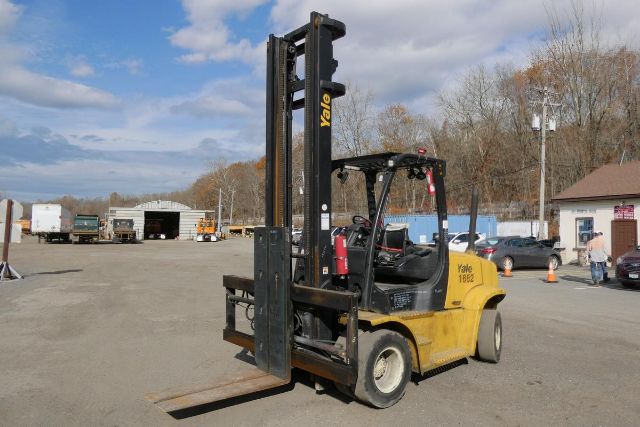
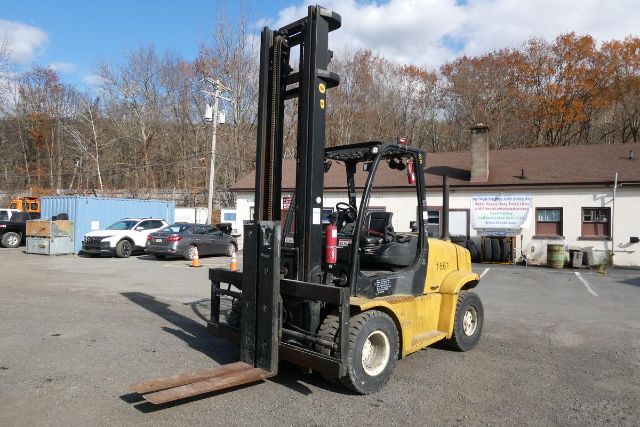
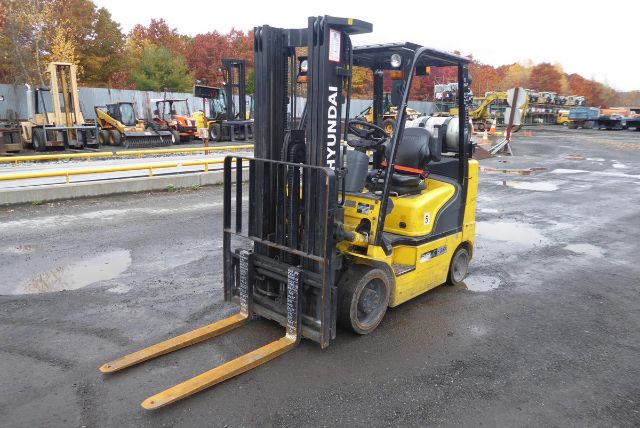
Have 2016 lifts - fork equipment to sell? List it here to reach thousands of buyers.
2016 Lifts - Fork in New York
Fuel type matters on 2016 fork trucks. LP gas units are common because they balance indoor and outdoor usability, quick refueling, and straightforward service support. Diesel models are better suited to outdoor work, rougher yards, and heavier capacities, while electric forklifts make the most sense in clean indoor operations where emissions, noise, and aisle efficiency are priorities. Mast configuration is just as important as engine choice. A buyer comparing 2016 lifts should look closely at duplex or triplex mast design, collapsed height for door clearance, maximum lift height, free lift, and side shift or fork positioning functions. A truck that fits under a trailer or warehouse door but still reaches the required rack height is usually more valuable than one that only looks stronger on paper.
Condition is heavily tied to hours, but hours alone do not tell the whole story. On a 2016 fork lift, pay attention to hydraulic cylinder seepage, mast chain wear, carriage play, tilt response, transmission engagement, steer axle looseness, brake performance, and tire type. Cushion-tire forklifts are typical for smooth warehouse floors and tighter turning, while pneumatic or solid pneumatic tires are better for mixed surfaces and exterior use. Buyers should also verify fork thickness, fork length, data plate legibility, overhead guard condition, seat switch operation, and any warning lights or fault codes. If the unit has side shift, fork positioners, or other hydraulic attachments, confirm the auxiliary hydraulics and control functions operate cleanly under load.
For New York buyers, application and site constraints tend to drive the purchase. Older urban warehouses often have tight aisles, low doors, and limited dock space, while upstate industrial yards may need a more stable outdoor truck with larger tires and weather-tolerant components. A 2016 model year fork truck can fit well in distribution, manufacturing, building supply, food handling, and municipal support roles if the mast height, fuel system, and tire setup are chosen correctly. Also referred to simply as a forklift or fork truck, this equipment category covers everything from compact indoor lift trucks to heavier counterbalance units used at docks and in open yards. The best buy is the truck whose mast, capacity, and operating condition match the work cycle, not just the lowest hour meter or the highest stated lift rating.
Frequently Asked Questions about 2016 Lifts - Fork in New York
What should I look at first when buying a 2016 fork lift?
Start with rated capacity, mast height, and fuel type because those three factors determine if the truck will actually fit the job. After that, inspect the condition of the hydraulics, mast chains, carriage, tires, brakes, and transmission. On a used 2016 forklift, attachments such as side shift or fork positioners can add value, but only if they function properly and do not reduce the usable capacity below your load requirements.
Is a 2016 propane forklift a good choice for mixed indoor and outdoor use?
In many operations, yes. LP gas forklifts from this model year are popular because they can work around docks, warehouses, and outdoor loading areas without the range concerns of electric units or the emissions limitations of diesel in enclosed spaces. The buyer should still confirm ventilation requirements, local safety rules, and the condition of the fuel system, regulator, and ignition components.
How important is mast type on a used fork truck?
Mast type is critical because it affects lift height, lowered height, visibility, and stacking performance. A duplex mast may be sufficient for basic dock and floor loading, while a triplex mast is often preferred when the truck must clear low doors but still reach taller rack systems. Free lift is especially important in trailers, containers, and low-clearance indoor environments where the forks need to rise before the mast extends upward.
Do forklift hours matter as much as truck mileage does on road equipment?
Hours matter, but they should be treated as only one part of the evaluation. A 2016 fork lift with higher hours but consistent maintenance can be a better buy than a lower-hour machine with neglected hydraulics, worn chains, poor brakes, or electrical faults. Service records, operating condition, and evidence of proper preventive maintenance usually tell more than the hour meter alone.
What tire setup is best on a 2016 forklift?
The right tire depends on the surface and duty cycle. Cushion tires are common on indoor warehouse forklifts because they turn tighter and work well on smooth concrete. Pneumatic and solid pneumatic tires are better for outdoor yards, uneven pavement, gravel transitions, and heavier-duty loading work. Buyers should inspect tire wear closely because replacement cost can materially affect the total cost of ownership.