
2016 Lifts - Fork For Sale
Browse used 2016 fork lifts for sale, including warehouse and yard forklifts with common specs, lift capacities, mast options, and fuel types.
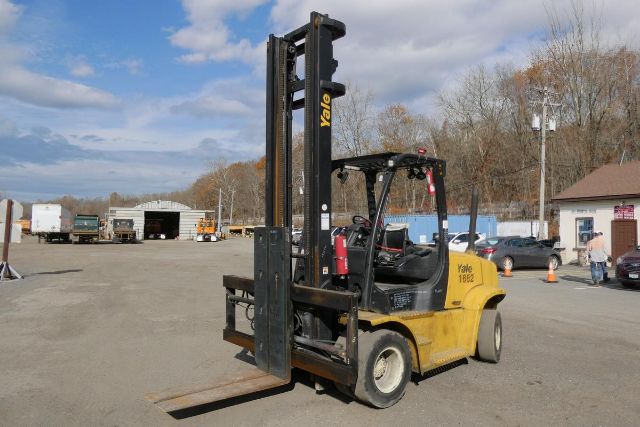
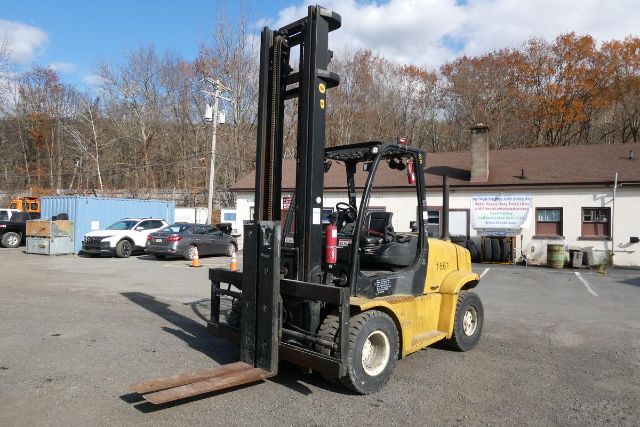
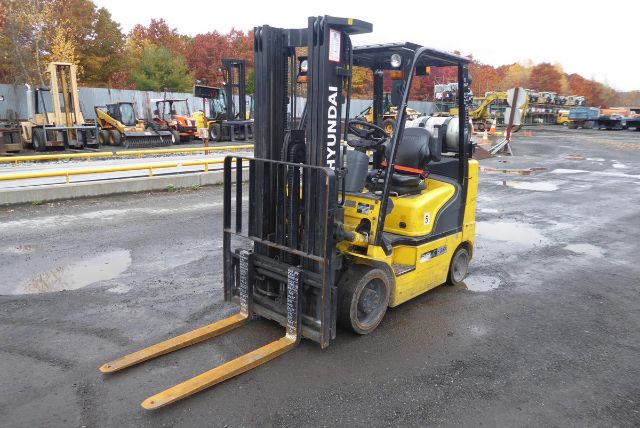
Have 2016 lifts - fork equipment to sell? List it here to reach thousands of buyers.
2016 Lifts - Fork
Frequently Asked Questions about 2016 Lifts - Fork
What lift capacity is most common on a 2016 forklift?
Many 2016 forklifts on the used market fall in the 4,000 to 6,500 pound class, which covers a large share of warehouse, dock, pallet, and general yard work. The right capacity depends on your actual load weight, load center, attachment weight, and lift height. A truck rated for 5,000 pounds at a standard load center may handle less when a side shifter, clamp, or longer forks are installed, so buyers should match the data plate to the real application rather than shop by headline rating alone.
What is the difference between a duplex and triplex mast on a fork lift?
A duplex mast, also called a two-stage mast, is simpler and often works well in applications with moderate stacking height. A triplex mast, or three-stage mast, provides more lift height while maintaining a lower collapsed height for doorway and trailer clearance. Buyers working in warehouses, under low overhead doors, or loading trailers often prefer a triplex mast because it gives more flexibility, but it is still important to verify maximum fork height, collapsed mast height, and free lift.
Is LP gas a good fuel choice for a used 2016 forklift?
LP gas is common on forklifts because it offers quick refueling, consistent power, and strong suitability for mixed indoor-outdoor use when the facility is set up for it. A 2016 LP forklift can be a practical choice for operations that want cleaner running performance than older gasoline units and less charging downtime than an electric truck. Buyers should still inspect the fuel system, regulator, hoses, and starting behavior, and confirm whether the tank bracket and tank are included.
What should I inspect first on a used fork truck from 2016?
Start with the mast, carriage, forks, chains, tilt cylinders, and side shift if equipped, because those components directly affect safety and daily productivity. Then review the hour meter, transmission engagement, brake response, steering play, tire condition, hydraulic leaks, and cold-start behavior. On a 2016 unit, service history matters as much as age, especially on machines that may have spent years in high-cycle warehouse use.
Are cushion tires or pneumatic tires better for a 2016 forklift?
Cushion tires are common on warehouse forklifts because they offer a tighter turning radius and work well on smooth concrete floors. Pneumatic or solid pneumatic tires are better suited to rougher outdoor surfaces, lumber yards, gravel, and uneven pavement. The best choice depends on where the truck will spend most of its time, because tire type affects traction, stability, ride quality, and overall maneuverability.