
2015 Lifts - Fork For Sale in New York
Browse 2015 fork lifts for sale, including warehouse and yard forklifts with common capacity, mast, fuel, tire, and attachment details buyers compare.
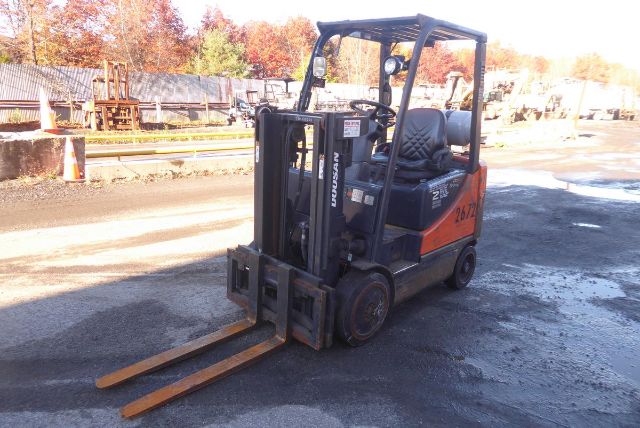
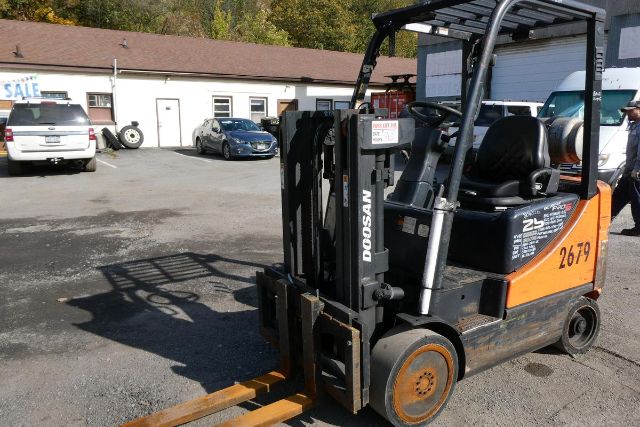
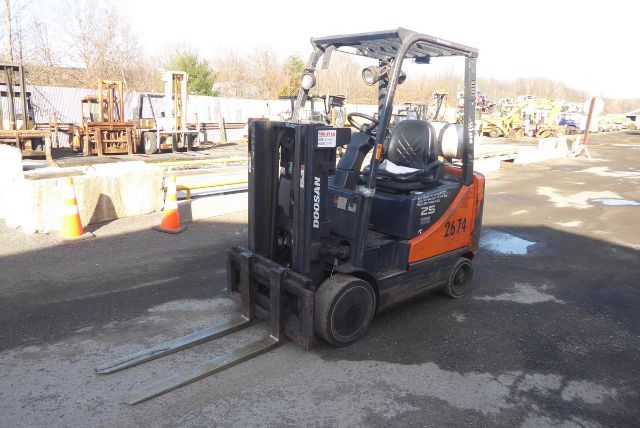
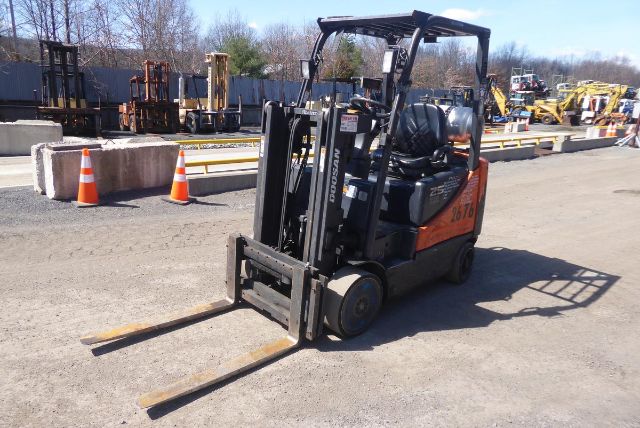
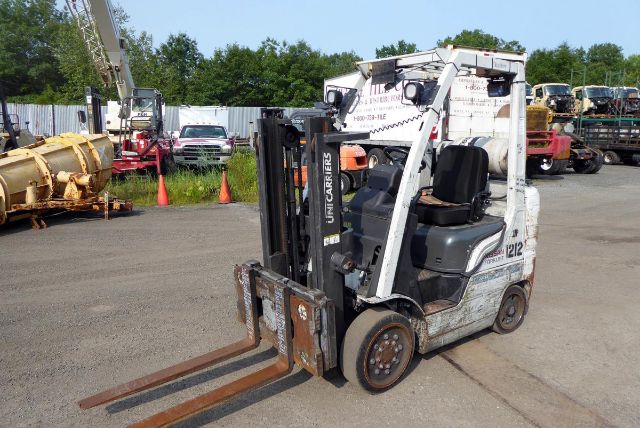
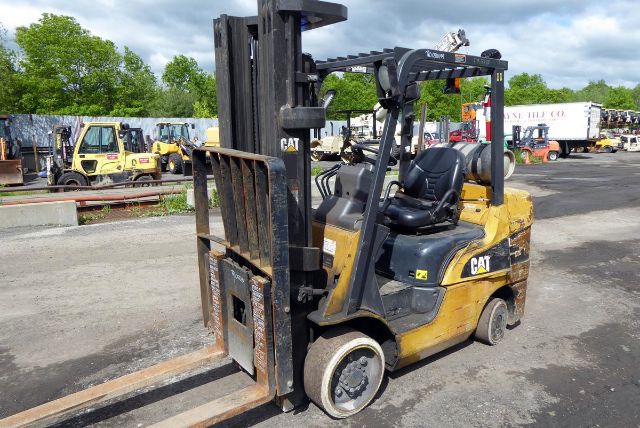
Have 2015 lifts - fork equipment to sell? List it here to reach thousands of buyers.
2015 Lifts - Fork in New York
Fuel type matters because it affects operating cost, ventilation requirements, and service complexity. Many 2015 forklifts in the 4,000 to 5,000 pound class use LPG or propane engines from Toyota, Nissan, Hyundai, GM, or similar platforms, typically paired with automatic transmissions and simple forward-reverse shuttle operation. Diesel is more common once you move into larger pneumatic units and high-capacity forklifts, especially where long run time and outdoor use are priorities. On a used 2015 machine, buyers should pay close attention to hour meter reading, cold-start behavior, transmission engagement, mast operation under load, and any signs of hydraulic seepage at lift cylinders, tilt cylinders, hoses, and valve blocks. A clean-running engine is important, but mast wear, carriage slack, steer axle condition, and brake response usually tell more about how the unit has actually been used.
Mast configuration and fork setup have a direct effect on productivity. Common setups include two-stage or double masts for straightforward loading work and triple-stage masts when lower collapsed height and higher lift reach are needed. Side shift is one of the most valuable hydraulic functions on a used fork truck because it speeds pallet alignment and reduces repositioning. Fork positioners become more important as capacity increases or load sizes vary. Buyers should also compare lowered mast height, maximum lift height, overall width, fork length, and truck weight, especially if the machine must enter trailers, clear door openings, fit rack aisles, or stay within floor load limits. On heavy forklifts, enclosed cabs, air conditioning, larger fork sections, and higher-capacity attachments can substantially change total operating weight and service cost.
For a 2015 model, condition is more important than brand decal alone. Look for even tire wear, smooth mast travel without chatter, consistent tilt function, and no delay when shifting from forward to reverse. Confirm that safety items such as parking brake, lights, backup alarm, horn, seat belt, and operator restraint systems are functional. If the unit is propane powered, inspect the fuel system and regulator condition and verify whether the tank is included. If it is diesel, review emissions system design and maintenance history, especially on machines working in stricter state environments like New York. A well-kept 2015 fork lift can still deliver strong value in warehouses, distribution yards, manufacturing plants, building supply operations, scrap handling, and general freight support where dependable lift capacity matters more than the newest electronics.
Frequently Asked Questions about 2015 Lifts - Fork in New York
What should I check first when comparing a used 2015 fork lift?
Start with capacity, mast height, tire type, and fuel system because those four items determine whether the machine fits the work. After that, focus on actual condition: hour meter reading, hydraulic leaks, mast wear, transmission engagement, steering looseness, brake performance, and tire wear. A forklift with the right specifications but poor mast or hydraulic condition can become more expensive than a higher-priced unit that has been maintained properly.
What is the difference between cushion-tire and pneumatic-tire forklifts?
Cushion-tire forklifts are typically used on smooth indoor surfaces and in tighter warehouse environments because they sit lower and turn more sharply. Pneumatic-tire forklifts, including solid-pneumatic styles, are better suited for outdoor yards, broken pavement, gravel, and mixed-surface applications because they offer better clearance and stability. The surface the truck will run on should drive this choice more than anything else.
Is propane or diesel better for a 2015 forklift?
Propane is common in medium-capacity forklifts because refueling is quick, engines are familiar to many service shops, and the trucks work well in warehouse and yard settings with proper ventilation. Diesel is usually the better fit for larger forklifts and heavy outdoor use where torque, long run time, and high-capacity lifting matter most. The better option depends on the environment, operating hours, and the lift capacity you need.
How important is mast type on a used fork truck?
Mast type is a major buying factor because it affects both lift height and overall machine height. A two-stage mast is common for standard loading and unloading, while a triple-stage mast helps when you need higher lift capability but still need to clear doorways or trailer openings when the mast is lowered. Buyers should compare collapsed height, full lift height, and free lift before choosing a machine.
Are hydraulic side shift and fork positioners worth paying for on a used forklift?
Yes, especially if the forklift handles pallets, varying load widths, or repetitive loading work. Side shift reduces the need to reposition the entire truck and speeds up pallet placement, which improves operator efficiency and lowers the chance of product damage. Fork positioners become even more valuable on heavier-capacity forklifts or operations that switch between different pallet and bundle sizes throughout the day.