
2015 Doosan Lifts - Fork For Sale in New York
Browse 2015 Doosan fork lifts for warehouse, yard, and loading work. Compare lift capacity, mast height, fuel type, tires, and side shift.
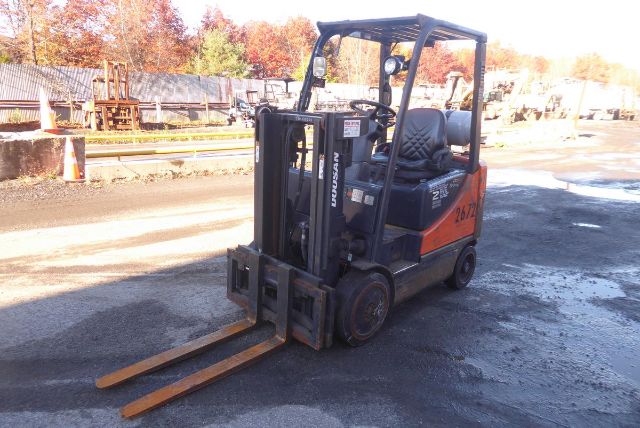
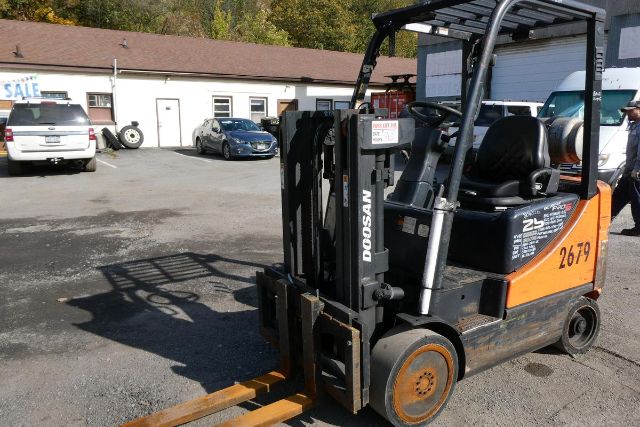
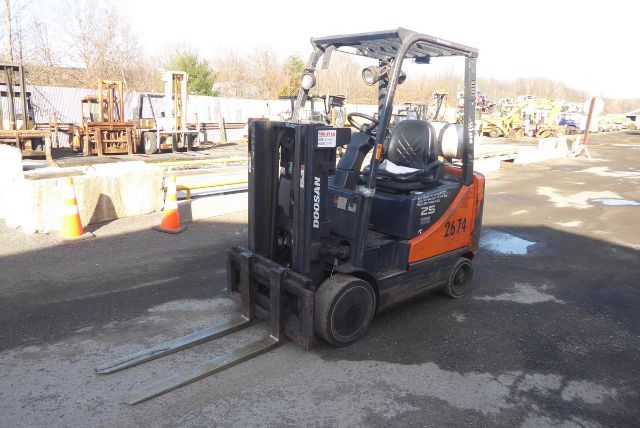
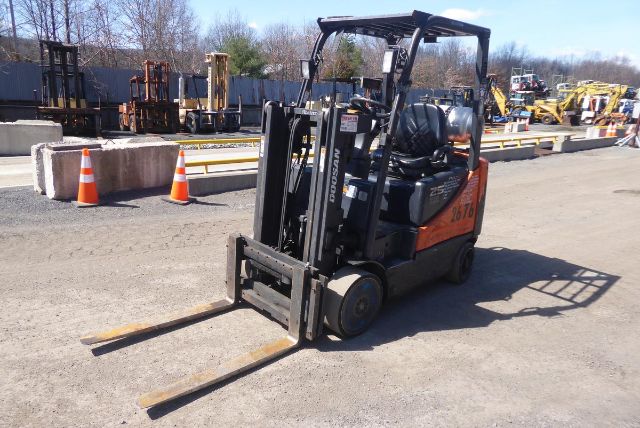
Have 2015 doosan lifts - fork equipment to sell? List it here to reach thousands of buyers.
2015 Doosan Lifts - Fork in New York
On Doosan models from this era, it is common to see duplex or double masts, side shift, and straightforward operator controls that make them easy to integrate into mixed fleets. Buyers should verify actual lift height, fork length, carriage class, and free lift if the truck will be used inside trailers, under low doors, or in rack systems with tight clearance. Overall width, turning radius, and overhead guard height matter just as much as capacity in older buildings and dense warehouse aisles. If the application includes dock work or unloading flatbeds, side shift and mast tilt become more valuable because they reduce repositioning time and help the operator place pallets cleanly.
Condition matters more than model year on a used fork truck. Pay close attention to hour meter credibility, mast and tilt cylinder leakage, steer axle response, brake feel, chain wear, lift drift, and transmission engagement from forward to reverse. On LP units, buyers should inspect the fuel system, vaporizer, regulator, and cold-start behavior. Tire type and wear also tell you a lot about prior use. Solid tires are common on warehouse and hard-surface applications, while pneumatic setups are better suited to rougher yards. If a machine includes side shift, test for smooth travel under load and check for hose wear at full mast movement.
For New York buyers, indoor emissions rules, dock congestion, and winter operating conditions can influence the right spec. A lower-profile mast may matter in older facilities, while a well-sorted LP truck can be a strong choice for mixed indoor-outdoor work where charging infrastructure for electric units is not available. A 2015 Doosan fork lift is generally best evaluated as a durable material handling tool: match the capacity to the real load center, confirm the mast will clear the building, and inspect wear points that affect uptime more than paint or cosmetics.
Frequently Asked Questions about 2015 Doosan Lifts - Fork in New York
What capacity range is common for a 2015 Doosan fork lift?
Many Doosan forklifts in this general class fall in the light to mid-capacity range, often around 3,500 to 5,000 pounds, although exact ratings vary by model, mast, attachment, and load center. Buyers should confirm the data plate and not rely on a general model family assumption, because side shift, fork position, and mast configuration can reduce effective lifting capacity.
Is LP gas or electric better for a Doosan fork truck?
That depends on the application. LP gas forklifts are popular for mixed indoor-outdoor use, fast refueling, and operations that do not want battery charging downtime. Electric forklifts are often preferred for fully indoor work, lower noise, and zero tailpipe emissions. If the truck will move between docks, yards, and warehouse areas, LP is often the more flexible choice. If it will stay inside on a consistent shift schedule, electric may have lower operating costs over time.
What should I inspect first on a used Doosan forklift?
Start with the mast, chains, carriage, hydraulic cylinders, steer axle, brakes, and transmission response. Then verify the hour meter appears credible relative to pedal wear, seat condition, and control slop. On LP units, inspect the fuel system components and how the engine starts and idles. Also check tire wear, fork heel thickness, side shift operation, and whether the machine holds a load without noticeable hydraulic drift.
Why does mast type matter on a fork lift?
Mast type affects both lifting performance and where the forklift can physically operate. A duplex or double mast can be a good fit for lower overhead environments, while other mast setups may provide more lift height or free lift for stacking in tighter spaces. Collapsed height is critical for trailer entry, older warehouse doors, and low-clearance areas. Lift height and free lift are critical for racking and dock work.
Are side shift and tilt important on a warehouse forklift?
Yes. Side shift helps the operator align forks with pallets without repositioning the whole truck, which saves time and reduces tire scrub in tight aisles. Tilt function helps stabilize and place loads during pickup and setdown. For dock loading, trailer unloading, and pallet handling in dense storage areas, these hydraulic functions are often more than convenience features because they improve productivity and reduce handling damage.