
2015 Doosan Lifts - Fork For Sale
Shop 2015 Doosan fork lifts for material handling, warehouse use, and yard work. Compare lift capacity, mast type, fuel system, and condition.
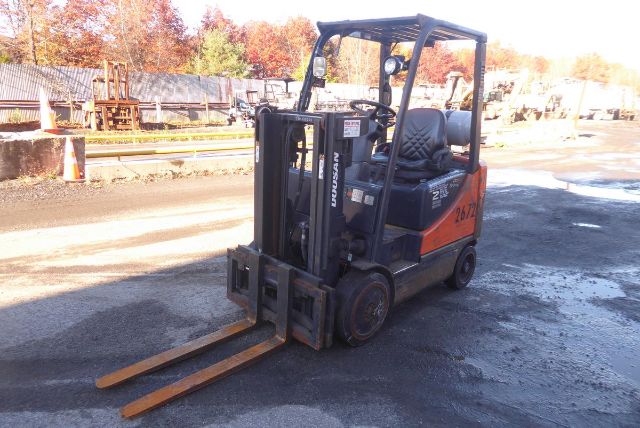
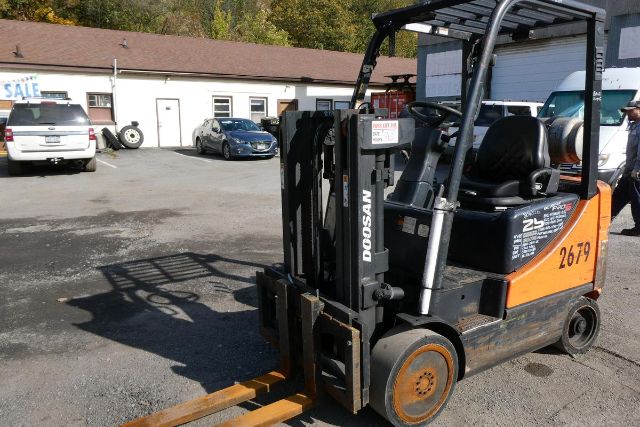
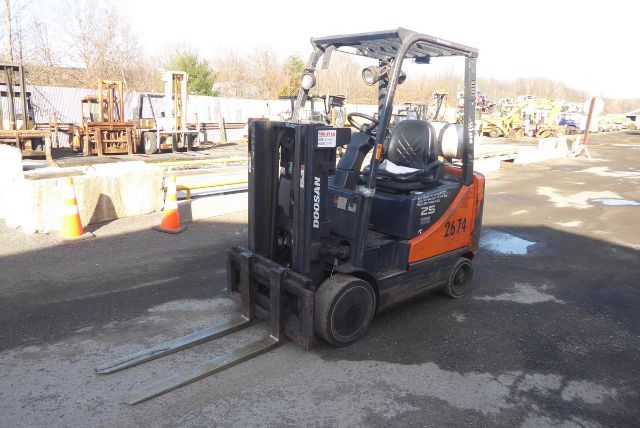
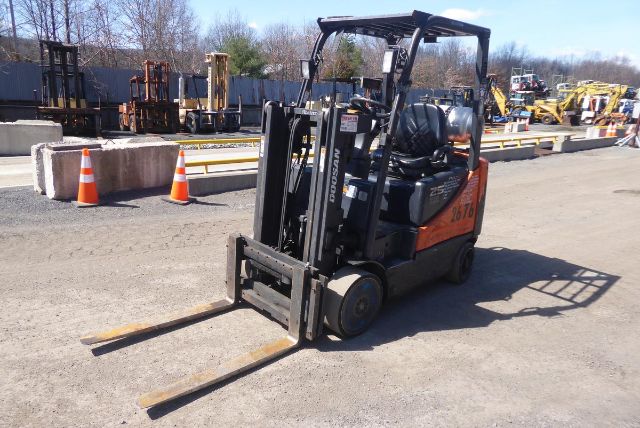
Have 2015 doosan lifts - fork equipment to sell? List it here to reach thousands of buyers.
2015 Doosan Lifts - Fork
On Doosan units from this period, the first specs to check are rated capacity, mast configuration, lowered height, and attachment setup. Common examples in this size range use a dual-stage mast, roughly 80-inch lowered mast height, and forks in the high-30-inch to low-40-inch range. Hydraulic side shift is a valuable feature because it speeds up pallet placement and reduces repositioning. Back tilt and forward tilt angles matter as well, especially if the truck will handle unstable loads or operate on mixed floor conditions. If the application includes trailer loading, rack work, or repeated dock transfers, mast visibility and lift cylinder condition deserve close attention.
Fuel system and hours are major buying factors on a used 2015 Doosan fork truck. Many are LPG or propane models, which remain popular because they refuel quickly and work well in fleets running multiple shifts. A buyer should confirm the engine family, cold-start behavior, transmission engagement in forward and reverse, and any hydraulic leaks at the mast, tilt cylinders, or side shift circuit. Solid cushion tires are common on this type of forklift and are well-suited for smooth concrete, but tread wear, chunking, and uneven loading patterns can point to alignment or axle issues. Hour meter readings should always be weighed against pedal wear, seat condition, steering play, and service records, especially on older fleet units.
The best 2015 Doosan forklift for a buyer depends on aisle width, load type, and operating surface. For indoor warehouses, a compact LPG cushion-tire truck in the 4,000 lb class is often the sweet spot. For heavier or higher-cycle applications, buyers should compare mast lift height, fork length, carriage type, and overall truck weight to make sure the unit matches the load center and facility layout. A careful inspection should include chain wear, mast rollers, brake response, parking brake hold, steer axle condition, and safety items such as lights, backup alarm, and operator restraint system. In this equipment category, the right choice is less about paint and more about lift geometry, hydraulic condition, and how well the truck fits the actual material flow.
Frequently Asked Questions about 2015 Doosan Lifts - Fork
What capacity is common on a 2015 Doosan fork lift?
Many 2015 Doosan forklifts in this general class are rated around 3,500 to 4,000 lbs, which covers standard pallet handling, dock work, and light industrial material movement. Buyers should always confirm the actual data plate because true lifting ability changes with load center, mast height, and any installed attachment such as a side shift or fork positioner.
Are 2015 Doosan forklifts usually propane or diesel?
In warehouse-oriented sit-down models, propane or LPG is very common because it offers fast refueling and good productivity in indoor and mixed indoor-outdoor use. The exact fuel type depends on the model, so a buyer should verify the engine, emissions configuration, and whether the intended operating environment allows that fuel system.
What should I inspect first on a used Doosan fork truck?
Start with the mast, chains, hydraulic cylinders, transmission engagement, steer axle, brakes, and tire condition. Then check the hour meter against overall wear, look for leaks around the lift and tilt circuits, and confirm that side shift, horn, lights, backup alarm, and parking brake all work correctly. These items tell you more about real operating condition than cosmetic appearance.
Is a cushion-tire Doosan forklift suitable for outdoor use?
A cushion-tire forklift can handle limited outdoor work on smooth pavement, loading aprons, and paved yards, but it is not ideal for gravel, broken asphalt, or uneven terrain. If the truck will spend significant time outside, the surface conditions should be reviewed carefully because traction, ride quality, and load stability are tied directly to tire type and ground condition.
Why does mast height matter on a forklift in this size class?
Lowered mast height determines door clearance, trailer entry, and the ability to work under low obstructions, while maximum lift height determines rack access and stacking capability. A forklift that fits the building but cannot reach the top beam, or one that lifts high enough but will not clear the doorway, creates immediate operating problems, so mast specs should be matched to the facility before purchase.