
2008 Lifts - Fork For Sale in New York
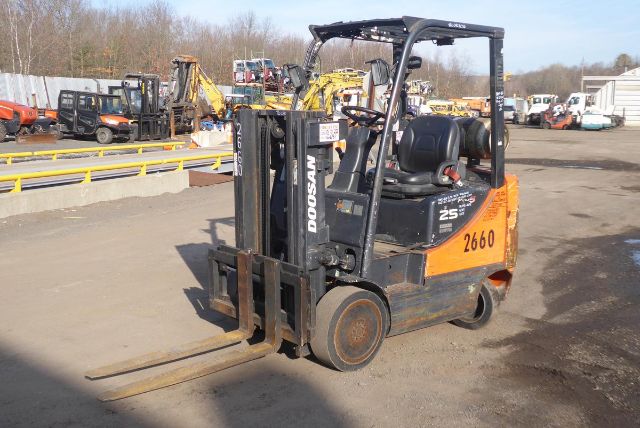
Browse 2008 fork lifts for sale, including warehouse and heavy-duty forklifts with key details on capacity, mast height, fuel type, and tires.
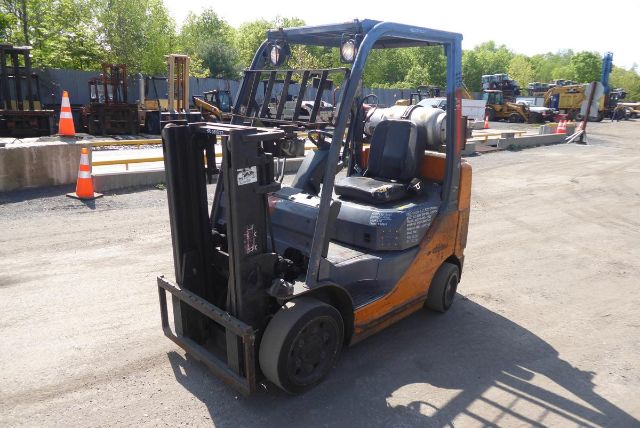
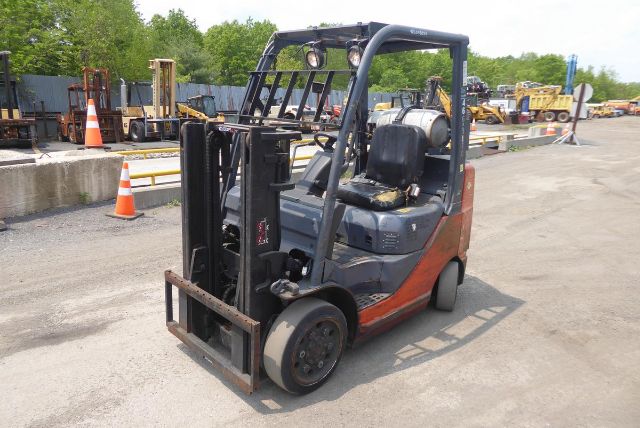
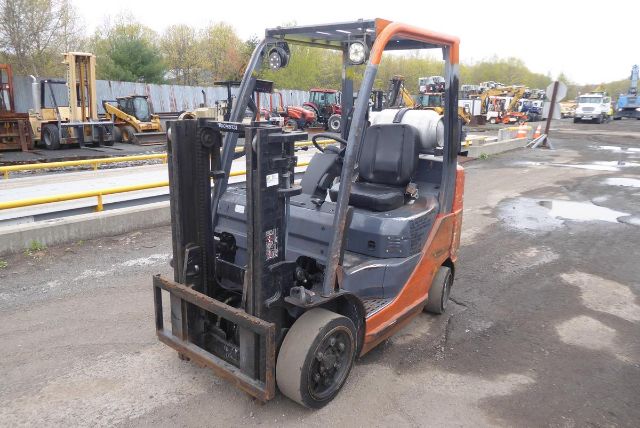
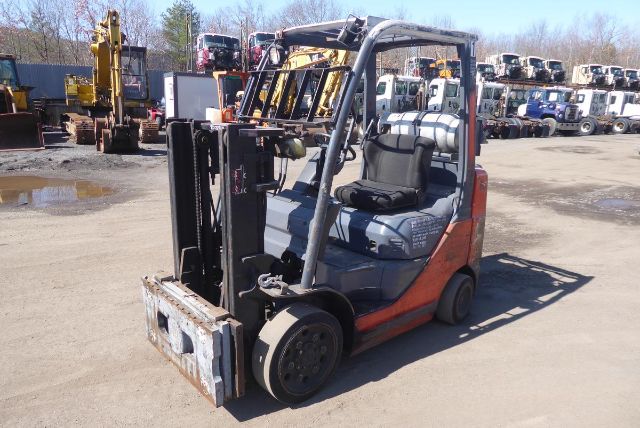
Have 2008 lifts - fork equipment to sell? List it here to reach thousands of buyers.
2008 Lifts - Fork in New York
Capacity range is one of the biggest dividing lines in this class. Smaller warehouse-oriented units are often propane powered and set up with solid tires, shorter wheelbases, and tighter turning radius for dock and aisle work. Larger forklifts may move into 10,000 lb, 15,000 lb, or much heavier capacities, with wider chassis, larger counterweights, longer forks, and pneumatic or solid pneumatic tires for rougher surfaces. Mast style matters just as much as rated capacity. A double mast is common on older units, but buyers should verify collapsed height, maximum lift height, back tilt, and whether the truck has hydraulic side shift or fork positioners. Those features make a major difference in trailer loading speed and pallet placement accuracy.
Fuel and operating environment should be matched carefully. LP forklifts remain common because they are straightforward to fuel and well suited to mixed indoor and outdoor use when ventilation is adequate. Diesel units are more common in high-capacity outdoor service where long run time and higher torque are priorities. Tire type is another practical checkpoint. Cushion and solid rubber tires work well on smooth warehouse floors, while pneumatic and solid pneumatic tires are better for broken pavement, gravel, lumber yards, and outdoor staging areas. Buyers in New York often need to think about cold starts, corrosion from winter exposure, and whether an enclosed cab is needed for yard work through all seasons.
When comparing 2008 fork lifts, the most useful details are usually the least glamorous: actual hours, prior use, mast wear, hydraulic cylinder condition, steer axle play, brake performance, transmission engagement, and chain and carriage condition. Fork length, fork thickness, carriage class, and attachment compatibility should be checked against the loads you handle every day. On older fork trucks, maintenance history can outweigh model year. A well-kept unit with dry cylinders, responsive hydraulics, and the right mast and attachment package will usually deliver more value than a newer machine with the wrong specifications for the job.
Frequently Asked Questions about 2008 Lifts - Fork in New York
What should I check first when buying a 2008 fork lift?
Start with rated capacity, mast height, collapsed height, and fuel type, because those determine whether the forklift will actually fit your application and facility. After that, inspect hour meter credibility, mast channels, lift chains, carriage wear, hydraulic leaks, transmission operation, brake response, steer axle condition, and tire type. On an older forklift, condition and maintenance history usually matter more than the model year alone.
Is a 2008 forklift too old for daily commercial use?
Not necessarily. Many 2008 forklifts remain productive in warehouses, yards, and industrial plants if they have been maintained properly and the machine is sized correctly for the work. Older fork trucks often appeal to buyers who want simpler systems and easier field service, but they should be evaluated closely for structural wear, parts support, and attachment condition before being put into daily service.
Which is better for a fork lift, propane or diesel?
Propane is common on general-purpose forklifts used around docks, warehouses, and mixed indoor-outdoor operations because fueling is fast and engines are typically straightforward to maintain. Diesel is more common on larger-capacity forklifts that work outdoors and need higher torque for heavy lifts. The better choice depends on load size, ventilation, operating hours, and whether the forklift will spend most of its time inside or outside.
How important are side shift and fork positioners on used forklifts?
They are very important if your operation handles varied pallet sizes, frequent trailer loading, or precision placement. Hydraulic side shift reduces repositioning time and helps operators line up loads without constantly moving the whole truck. Fork positioners add even more productivity on heavier or variable-width loads, especially in lumber, machinery, steel, and outdoor material handling applications.
What tire type should I look for on a used fork truck?
Cushion or solid tires are usually best for smooth indoor floors and tighter warehouse work because they support a lower overall truck profile and tight maneuvering. Pneumatic or solid pneumatic tires are better for outdoor yards, uneven pavement, and rougher ground conditions. The tire choice affects ride quality, ground clearance, traction, and where the forklift can be used safely and efficiently.