
2008 Lifts - Fork For Sale
Shop 2008 fork lifts for material handling, warehouse loading, and yard work. Compare lift capacity, mast type, fuel system, tires, and hours.
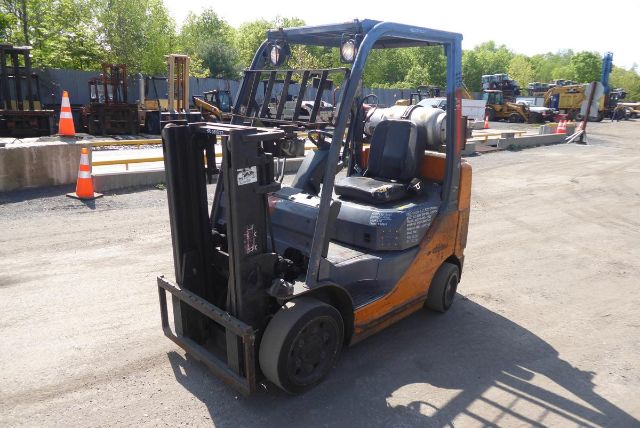
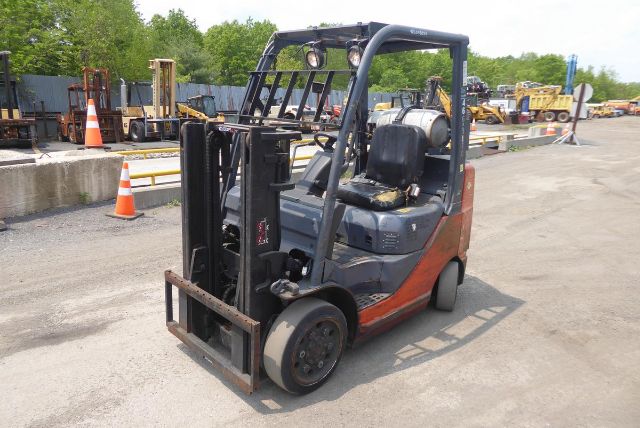
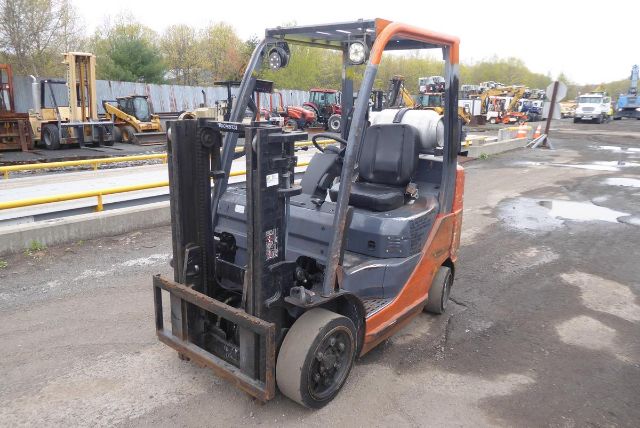
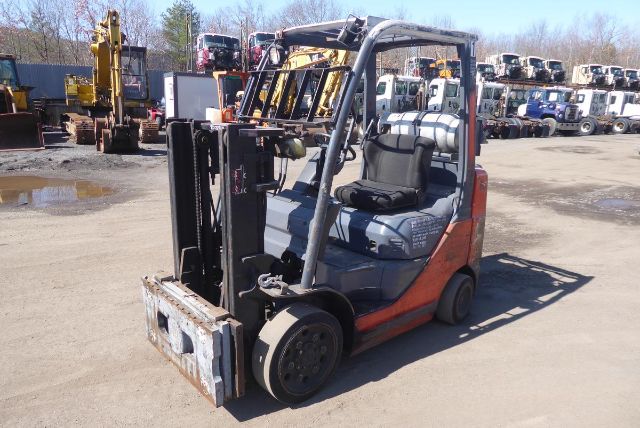
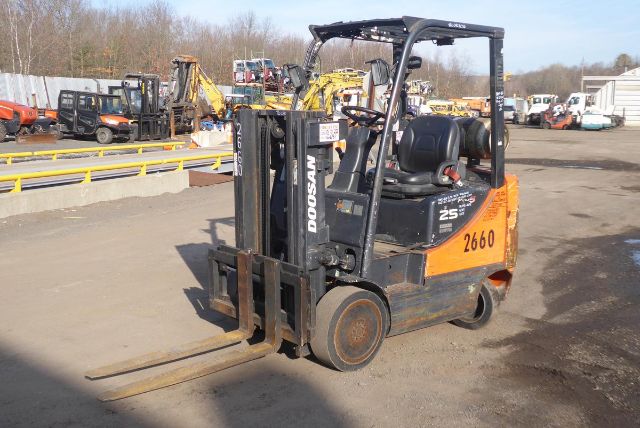
Have 2008 lifts - fork equipment to sell? List it here to reach thousands of buyers.
2008 Lifts - Fork
Capacity and mast configuration should be matched to the work, not just the nameplate. A 4,000 to 5,000 lb forklift may handle standard pallets easily, but attachment weight, load center, and lift height all affect real-world performance. A lower overall height can be important for trailer entry and indoor clearance, while an 80-inch loading height is typical for dock and warehouse use. Side shift is one of the most useful features in this category because it speeds pallet alignment and reduces repositioning. Back tilt also matters for load retention, especially when moving uneven or stacked freight across a busy yard or dock.
Fuel system and tire type deserve close attention on older fork equipment. Many 2008 units are propane-powered, which remains popular for indoor-outdoor use because refueling is quick and cold-weather starting is generally better than some older gasoline systems. Cushion tires are common on warehouse forklifts and work best on smooth concrete, while rougher outdoor surfaces may call for a pneumatic-tire machine instead. Buyers should also inspect for missing forks, mast wear, steer axle play, chain condition, carriage looseness, and leaks at tilt and lift cylinders. Hour meters on older lifts are useful, but service history, cold-start behavior, and how the machine performs under load are often more reliable indicators of remaining value.
For buyers comparing 2008 forklifts, brand support and interchangeability of wear parts can be just as important as purchase price. Toyota, Doosan, Mitsubishi, and similar makes often remain viable because filters, ignition components, hydraulic seals, tires, and mast service parts are still obtainable through dealer and aftermarket channels. A good used fork lift in this age range is typically one with a clean-running engine, predictable transmission engagement, solid brakes, and no structural damage around the overhead guard, frame, or mast rails. The best choice is usually the machine with the clearest maintenance story and the closest fit to your floor conditions, load weights, and lift height requirements.
Frequently Asked Questions about 2008 Lifts - Fork
What should I check first on a used 2008 fork lift?
Start with the mast, hydraulics, and drivetrain. Check for chain wear, carriage play, leaking lift or tilt cylinders, uneven mast movement, hard shifting, weak brakes, and excessive steering looseness. If the unit is propane-powered, verify clean starting, stable idle, and proper response under load. Structural condition also matters. Look closely at the overhead guard, forks, carriage, and frame for cracks, weld repairs, or impact damage.
Is a 2008 propane forklift still a good buy for warehouse use?
It can be, especially if it has been maintained and the application fits a cushion-tire warehouse truck. Propane forklifts from this era are widely used because they refuel quickly, offer consistent run time, and are well suited to dock and indoor-outdoor work. The key is condition, not age alone. A well-kept 2008 unit with good compression, dry hydraulics, and solid mast components can outperform a newer machine that has been neglected.
What lift capacity is most common in this category?
A large share of used fork lifts in this category fall in the 3,500 to 5,000 lb range. That size is common because it fits general pallet handling, warehouse racking, dock work, and light industrial applications. Buyers should remember that rated capacity is tied to a specific load center and mast configuration. Attachments, longer forks, and higher lift heights can reduce usable capacity, so the actual job should drive the spec decision.
How important is side shift on an older forklift?
Side shift is one of the most valuable options on a used forklift because it improves pallet placement without repeated steering corrections. That saves time at the dock, reduces tire scrub, and helps operators work more accurately in tight aisles or trailers. On an older machine, make sure the side shift function operates smoothly and does not show excessive hydraulic leakage or carriage slop, since worn attachment components can add repair cost.
Do hours matter more than service history on a 2008 forklift?
Service history is usually the better indicator. Hour readings on older forklifts can be helpful, but they do not always tell the full story, especially if the meter has been replaced or the machine spent years in stop-and-go duty. A forklift with higher verified hours and consistent maintenance is often the safer purchase than a lower-hour unit with poor records, hydraulic leaks, or obvious wear in the mast and steering system.