
2007 Lifts - Fork For Sale
Browse 2007 fork lifts for sale, including warehouse and yard forklifts with common specs, lift capacities, mast options, and fuel types.
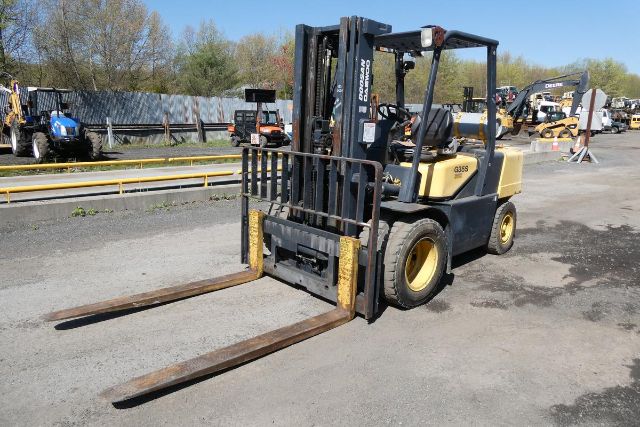
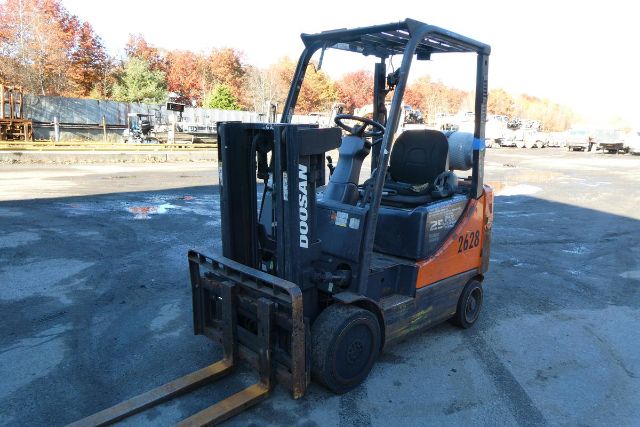
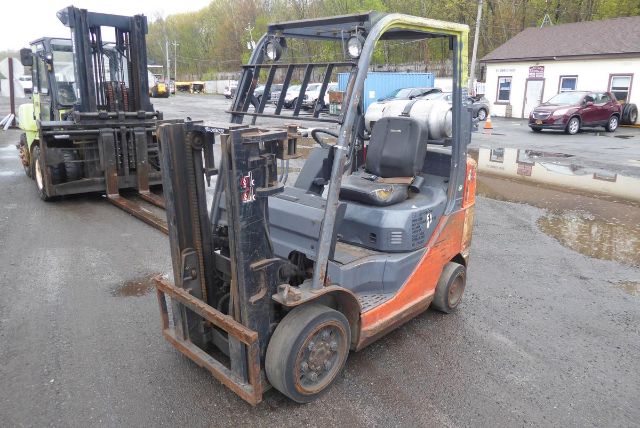
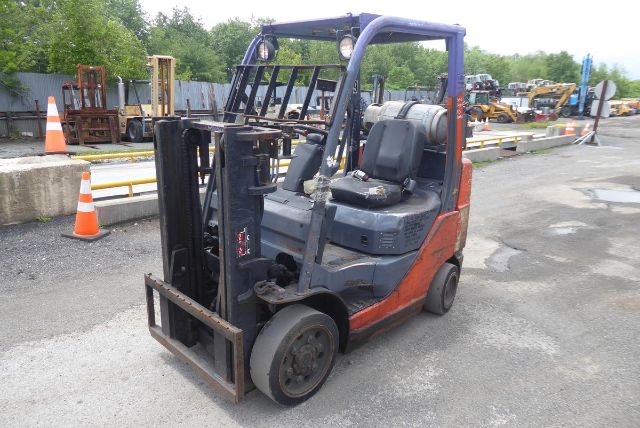
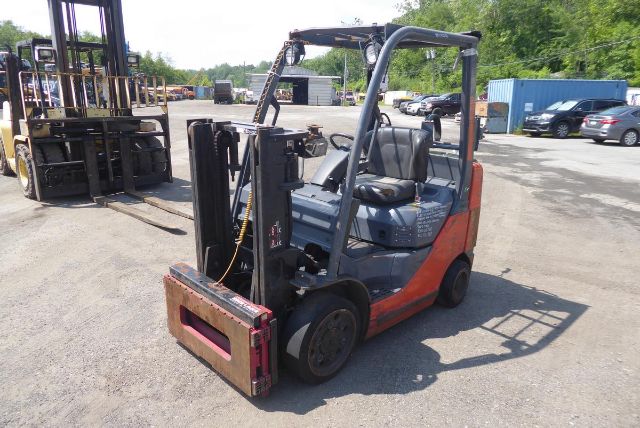
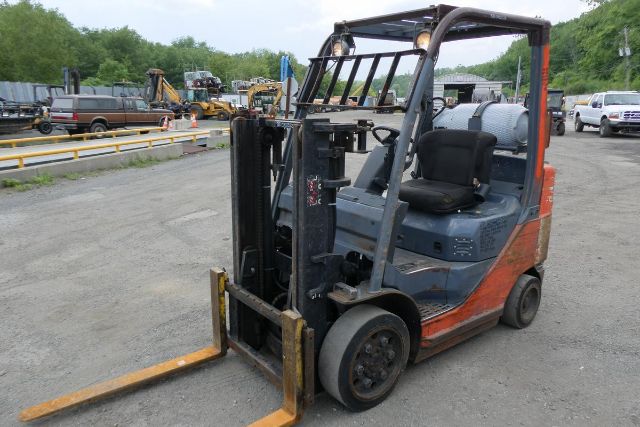
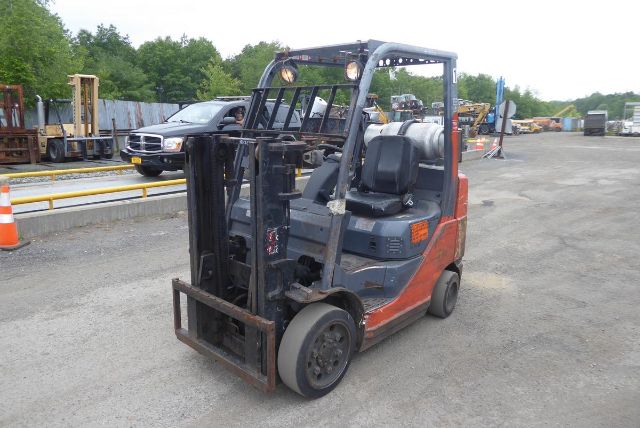
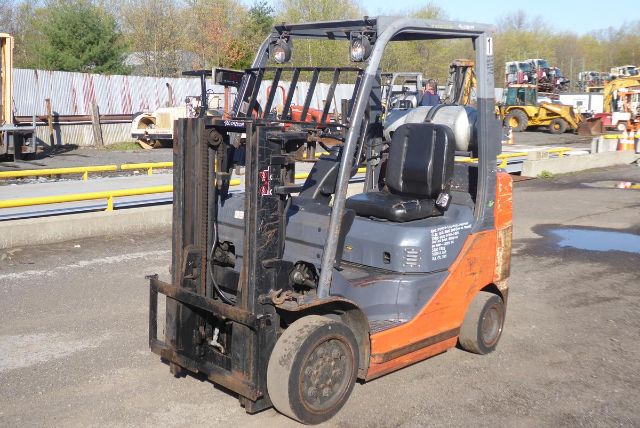
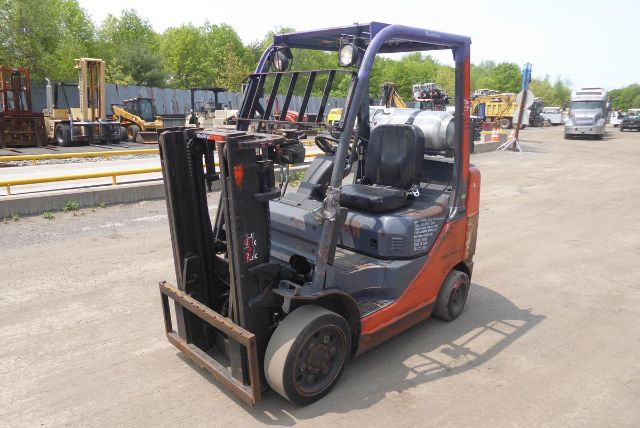
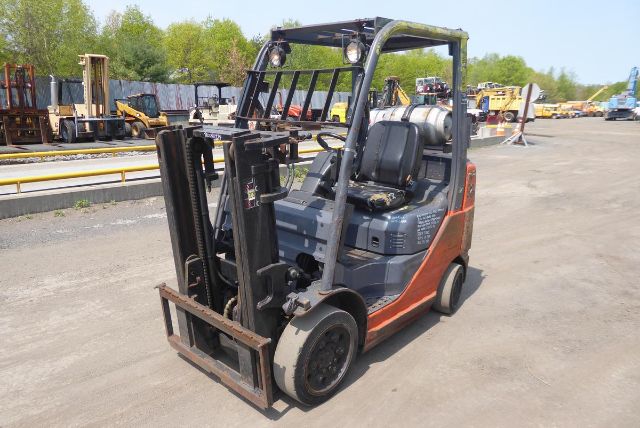
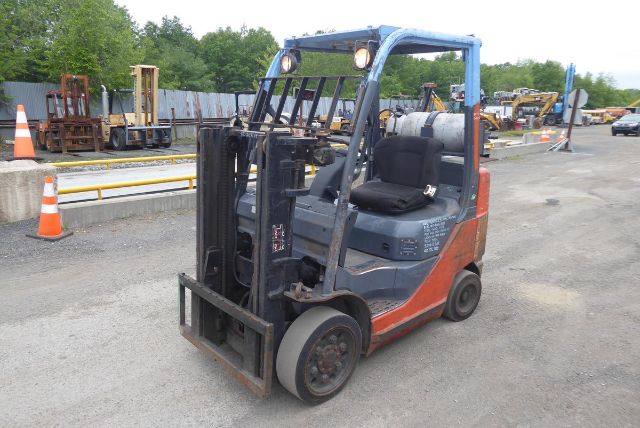
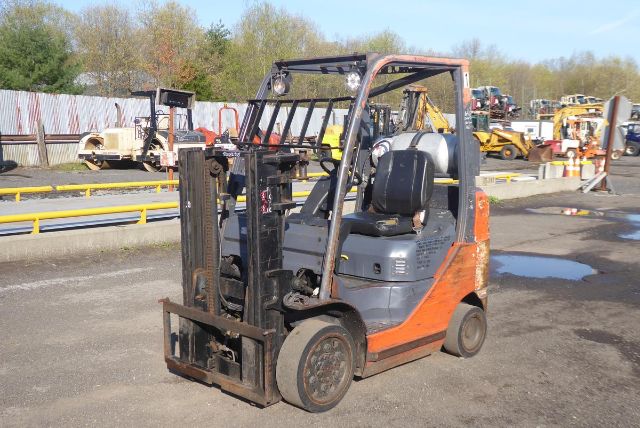
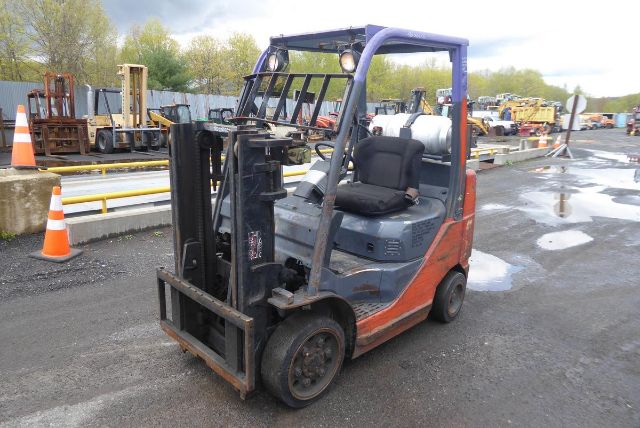
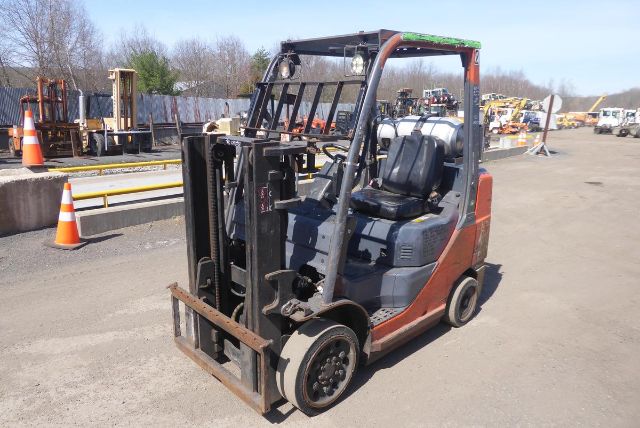
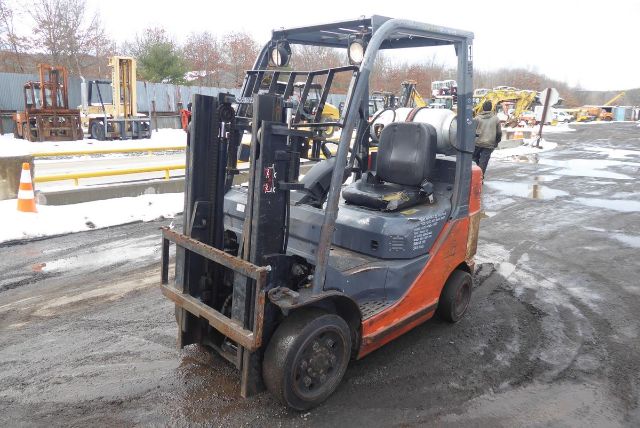
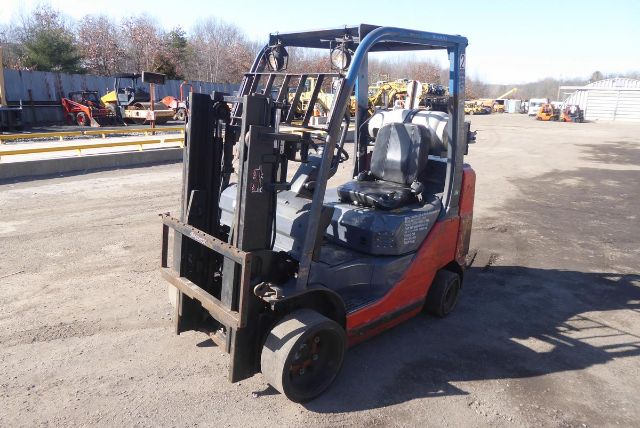
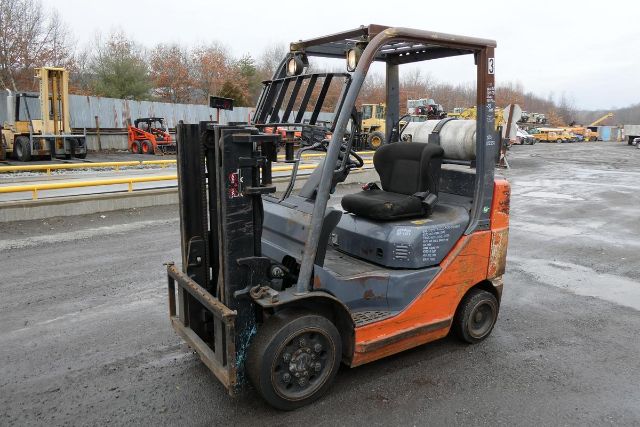
Have 2007 lifts - fork equipment to sell? List it here to reach thousands of buyers.
2007 Lifts - Fork
On a 2007 forklift, the mast and carriage deserve as much attention as the engine. Two-stage or dual-mast setups are common, often paired with side shift and modest back tilt for trailer loading and racking work. Check the collapsed mast height if the truck needs to clear standard warehouse doors or fit inside vans and containers. Fork length, carriage class, chain wear, tilt cylinder condition, and any seepage at lift cylinders all matter because attachment and mast repairs can quickly change the economics of an older machine. A machine that runs well but has sloppy mast rollers or uneven lift action may become expensive faster than one with higher hours but better service history.
Fuel system choice is another key decision in this category. Many forklifts from the mid-2000s use LPG or dual-fuel style propane systems because they are simple to refuel, perform well indoors with proper ventilation, and are widely supported in warehouse fleets. Buyers should also compare solid cushion tires versus pneumatic tires, transmission response in forward and reverse, and brake feel under load. Hour meters on older equipment should be treated as one part of the evaluation, not the full story. Pedal wear, seat condition, steer axle looseness, cold-start behavior, and maintenance records often tell you more about actual use than the meter alone.
For a 2007 model year machine, parts support and brand reputation still matter. Toyota, Doosan, Mitsubishi, Hyster, Yale, Caterpillar, Nissan, and similar brands remain popular because components, service knowledge, and aftermarket parts are generally easier to source. Buyers comparing listings should pay attention to rated capacity at load center, operating weight, overall width, turning radius, mast height, and whether forks are included. If the forklift will spend its time unloading vans, feeding production lines, or stacking in tight aisles, those details matter more than paint or cosmetic condition.
Frequently Asked Questions about 2007 Lifts - Fork
What should I check first on a used 2007 fork lift?
Start with the rated capacity, mast type, lowered mast height, and fuel system because those determine if the forklift actually fits your operation. After that, inspect hydraulic cylinders for leaks, chains and rollers for wear, transmission engagement in forward and reverse, brake response, steer axle play, and tire condition. On an older forklift, attachment fitment, fork condition, and mast wear can be just as important as engine performance.
Is a 2007 forklift too old for daily warehouse use?
Not necessarily. A 2007 forklift can still handle daily work if it has been maintained properly and matches the application. Older forklifts are common in warehouses, lumber yards, and manufacturing plants because many are mechanically durable and supported by strong aftermarket parts networks. The real issue is condition, service history, and parts availability, not model year alone.
What lift capacity is most common in this category?
Many forklifts in this age range are built around 4,000 to 5,000 lb capacity, which covers standard palletized freight, dock unloading, and general warehouse tasks. Some units are rated slightly below or above that range, so buyers should confirm the exact capacity plate and load center. Capacity drops when load centers increase or attachments are installed, which is important if the truck will handle long or irregular loads.
Are propane forklifts a good choice in a used 2007 model?
Propane forklifts are often a strong choice in this model year because they are common, easy to refuel, and widely used in indoor-outdoor operations. LPG systems can be dependable when maintained correctly, but buyers should inspect hoses, regulators, tank brackets, and cold-start behavior. If the forklift will run indoors, ventilation requirements and local safety practices still need to be considered.
Why do mast height and collapsed height matter so much?
Mast height affects both where the forklift can work and what it can safely stack. Collapsed height determines if the unit can pass through doors, enter trailers, or operate in low-clearance buildings. Raised height determines top rack access and trailer loading flexibility. A forklift with the wrong mast can be difficult to use even if its capacity and engine are otherwise a good fit.