
2007 Toyota Lifts - Fork For Sale
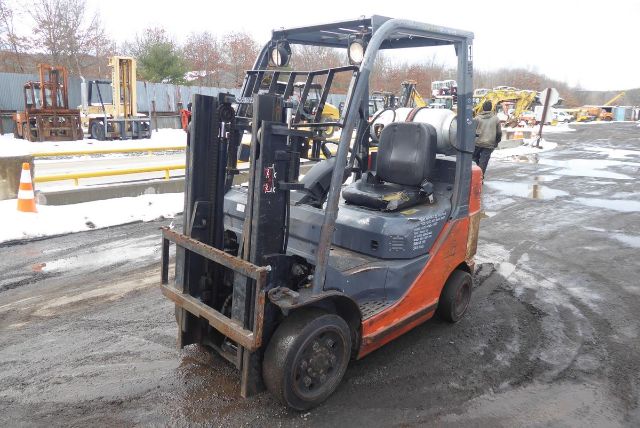
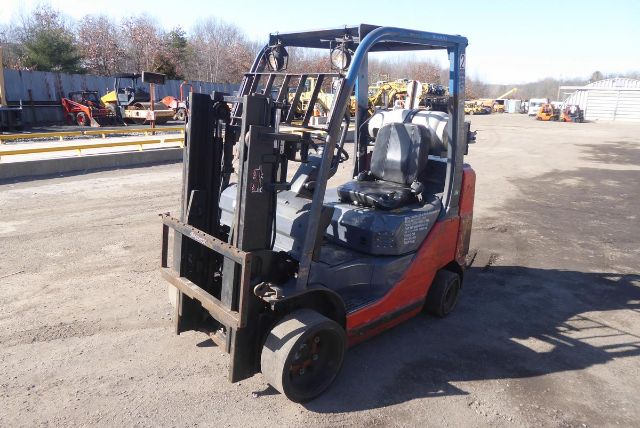
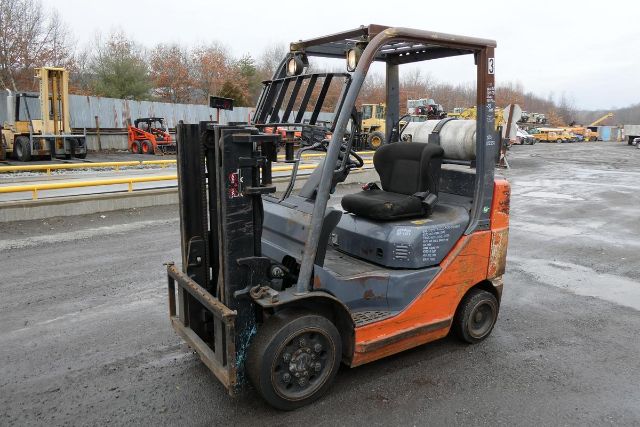
Browse 2007 Toyota fork lifts for sale, including LP gas warehouse forklifts with 4,300 to 5,000 lb capacity and compact maneuverability.
Have 2007 toyota lifts - fork equipment to sell? List it here to reach thousands of buyers.
2007 Toyota Lifts - Fork
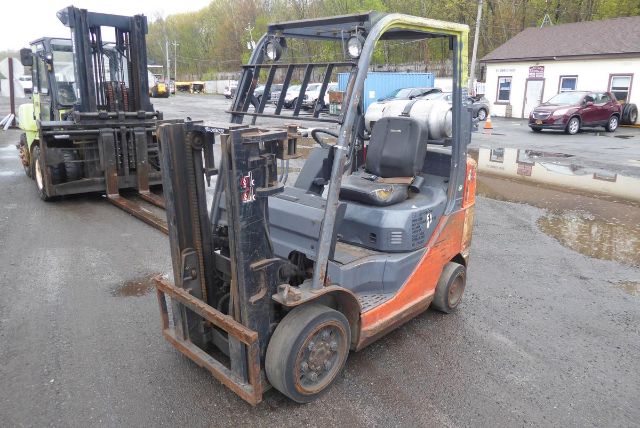
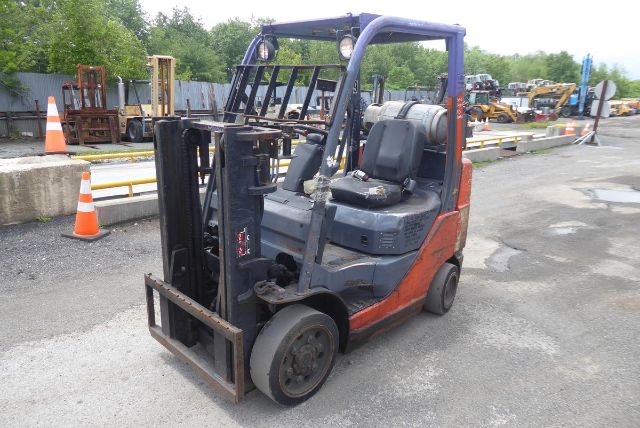
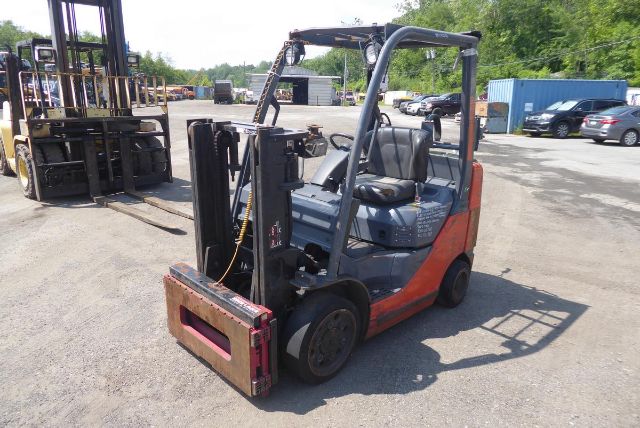
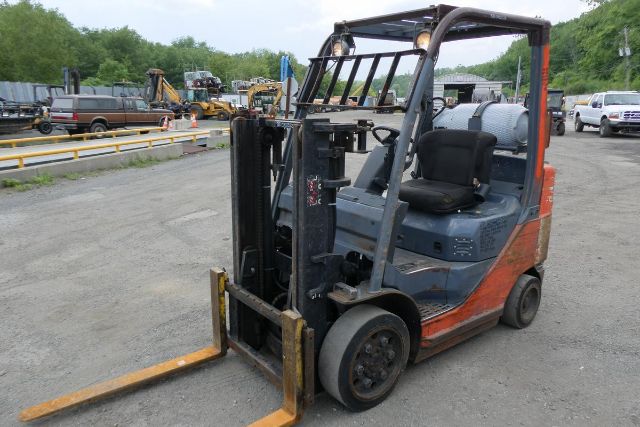
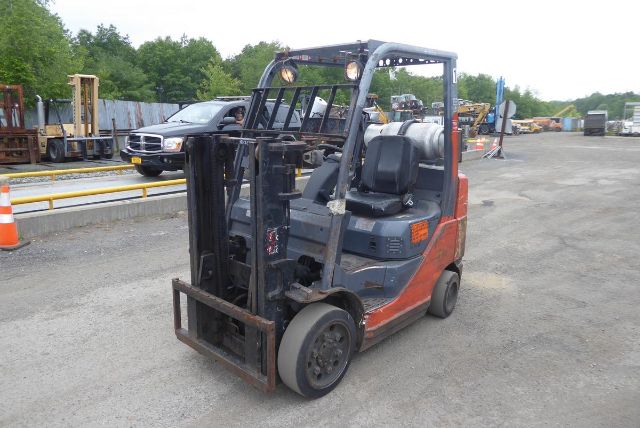
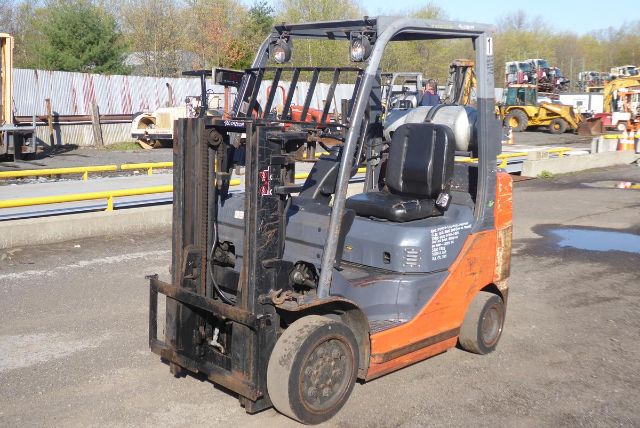
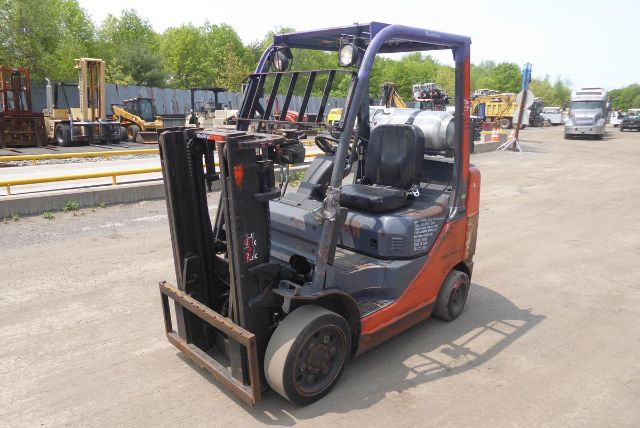
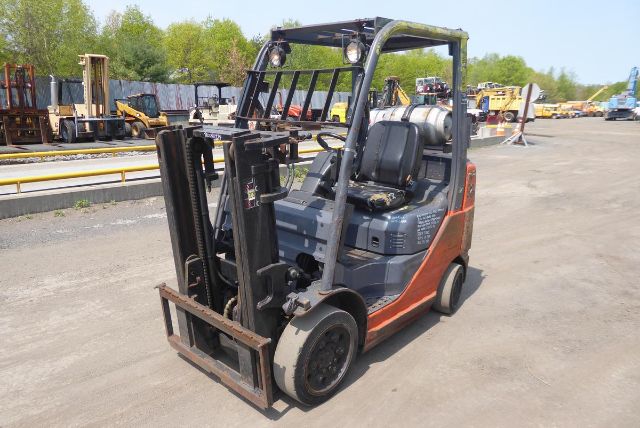
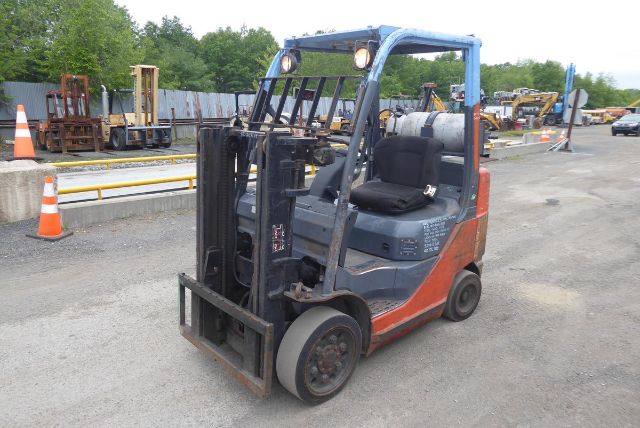
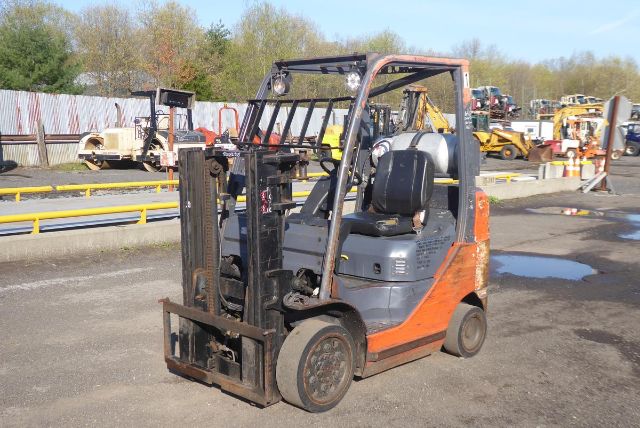
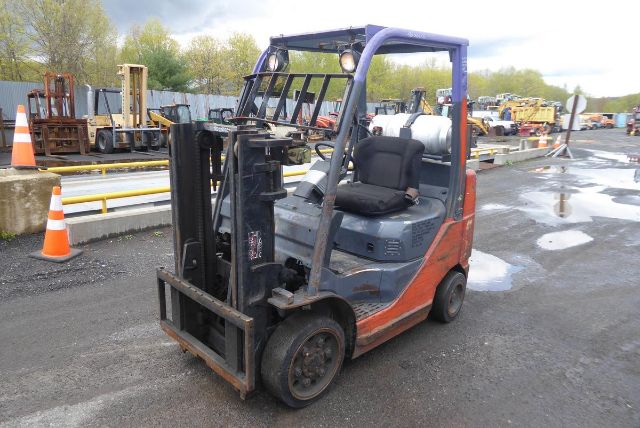
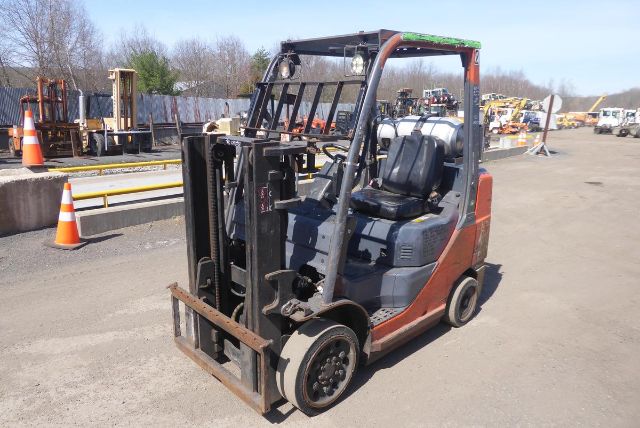
Capacity is one of the first things to verify. Many 2007 Toyota lifts in this class fall around 4,300 to 5,000 pounds, but actual safe lift capacity depends on load center, mast type, attachment weight, and lift height. Buyers should confirm the data plate, not just the model number. Common specs in this segment include a propane-powered 4-cylinder engine, automatic directional operation with forward and reverse, solid tires, and a dual-stage mast. Overall height is often low enough for standard warehouse door clearance, while load heights around 80 inches are common on basic mast setups. If the truck does not include forks, factor in fork length, width, thickness, and carriage class before purchase.
Condition matters more than age on a used forklift. Hour meter readings can vary widely, and on older units they should be treated as one data point rather than the full story. Check cold-start behavior, throttle response, transmission engagement, hydraulic lift speed, mast chain condition, cylinder leaks, steer axle play, brake feel, and parking brake hold. On propane Toyota forklifts, buyers should also inspect the LP system, regulator, hoses, and tank bracketry. Solid cushion tires are common on this type of machine and work well on smooth concrete, but they are not the right choice for broken pavement, gravel, or muddy yards.
Toyota forklifts from this period remain popular because they are familiar to operators and service departments, and replacement parts are generally easier to source than many off-brand units. The best buying decision usually comes down to mast configuration, actual operating condition, and whether the machine matches the aisle width, floor surface, and load profile in your operation. If the job involves indoor pallet handling, trailer unloading, and repetitive dock work, a 2007 Toyota fork lift can still be a practical, cost-effective option.
Frequently Asked Questions about 2007 Toyota Lifts - Fork
What is the typical lifting capacity of a 2007 Toyota fork lift?
Many 2007 Toyota forklifts in the common warehouse class are rated between 4,300 and 5,000 pounds, but the true working capacity depends on the load center, mast height, side shift or other attachments, and the truck’s data plate. A forklift may carry less than its nominal rating once a taller mast or heavier attachment is installed. Buyers should always confirm the capacity plate on the specific truck and compare it to the loads they actually handle.
Are 2007 Toyota forklifts better suited for indoor or outdoor use?
Most Toyota units like the 8FGCU25 are cushion-tire forklifts built mainly for indoor use on smooth concrete. They perform well in warehouses, shipping areas, and manufacturing facilities where maneuverability and low overall height are important. They can work outdoors on clean, paved surfaces, but they are generally not the best choice for gravel lots, uneven terrain, or muddy conditions where a pneumatic-tire forklift would be more appropriate.
What should I inspect on a used 2007 Toyota propane forklift?
Focus on engine starting, idle quality, acceleration, transmission response, brake performance, steering play, mast operation, chain wear, carriage condition, and any hydraulic leaks at cylinders or hoses. On propane units, inspect the LP fuel system carefully, including lines, fittings, regulator condition, and tank mounting hardware. It is also important to verify hour meter credibility, check for warning lights, and confirm that the forks, backrest, and mast rollers are in serviceable condition.
Is parts and service support still good for a 2007 Toyota forklift?
Toyota remains one of the stronger names in the forklift market for long-term support. Parts availability for common models is generally good, especially for wear items, filters, brakes, mast components, and ignition or fuel-system parts. Service familiarity is also a benefit, since many independent forklift shops and fleet maintenance teams have experience with Toyota equipment from this era.
Why would a used forklift be listed without forks?
It is common for used forklifts to be sold without forks because fork length and capacity need to match the buyer’s application. Different operations may need 36-inch, 42-inch, 48-inch, or specialty forks, and the correct dimensions depend on pallet size, load weight, and carriage class. If forks are missing, buyers should include the replacement cost in the budget and verify the correct fork specifications before putting the truck into service.