
2007 Lifts - Fork For Sale in New York
Browse 2007 fork lifts for sale, including warehouse-ready forklifts with common specs, lift capacities, mast options, and fuel types.
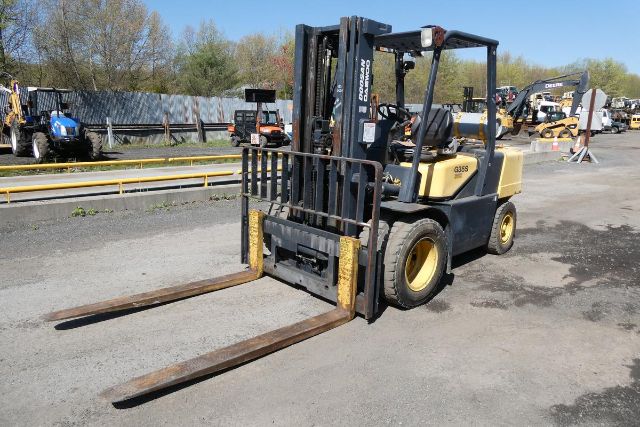
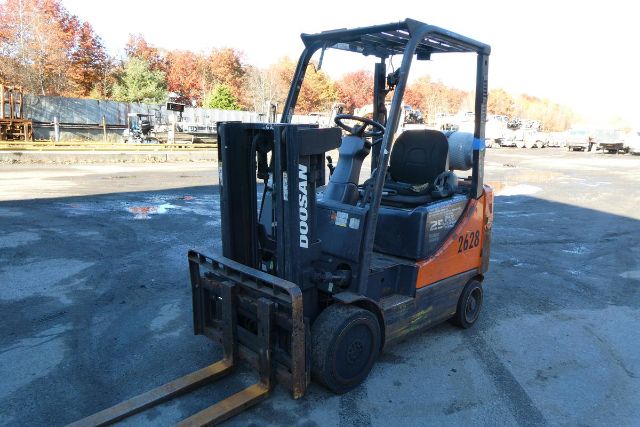
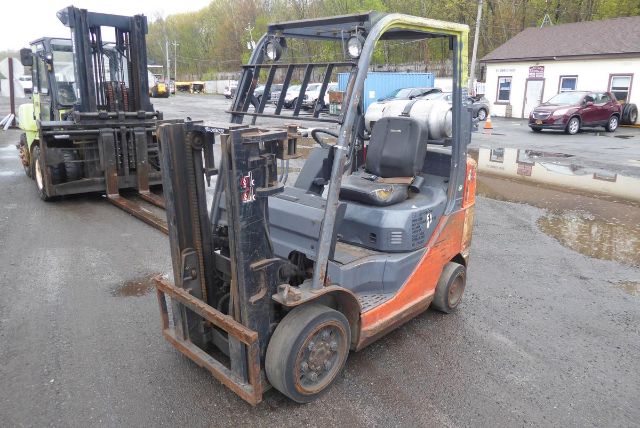
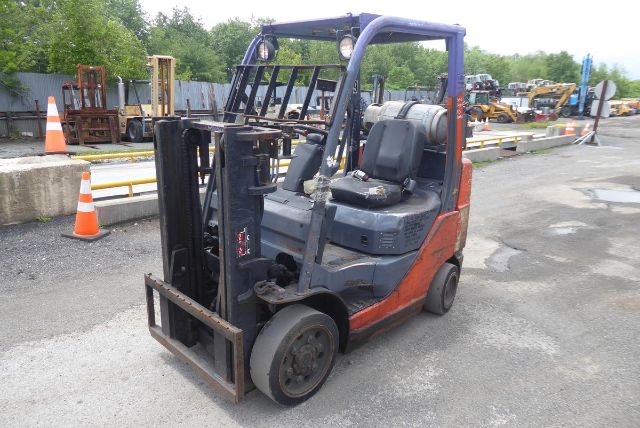
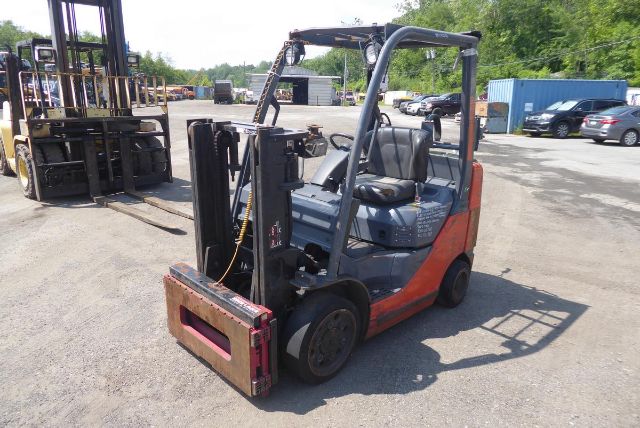
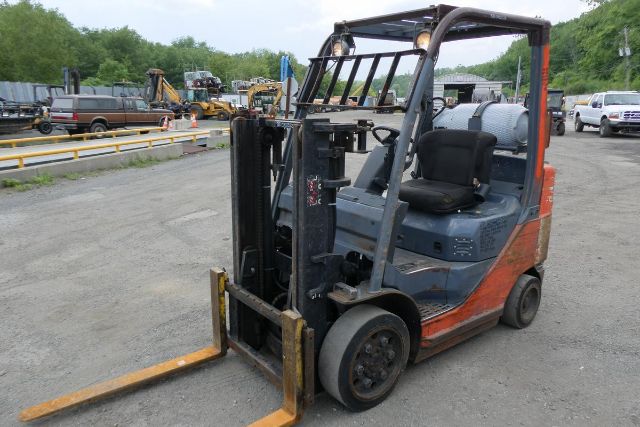
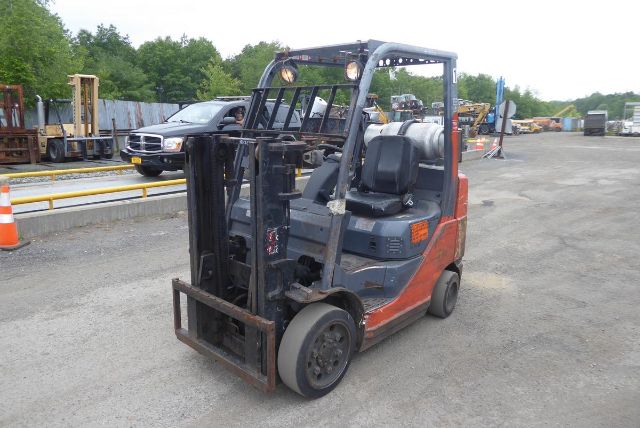
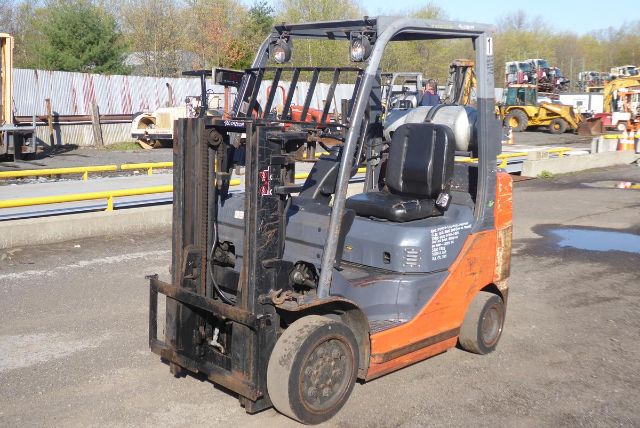
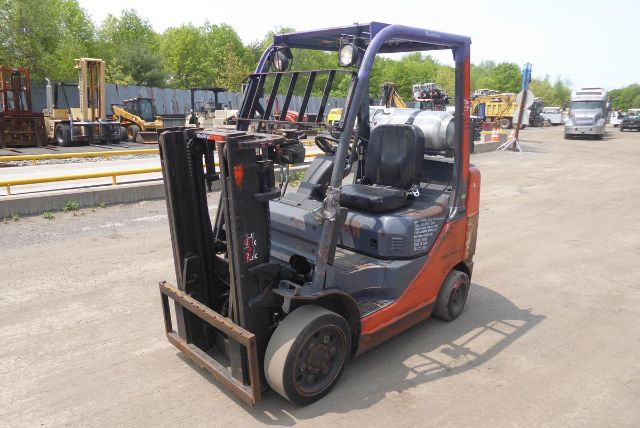
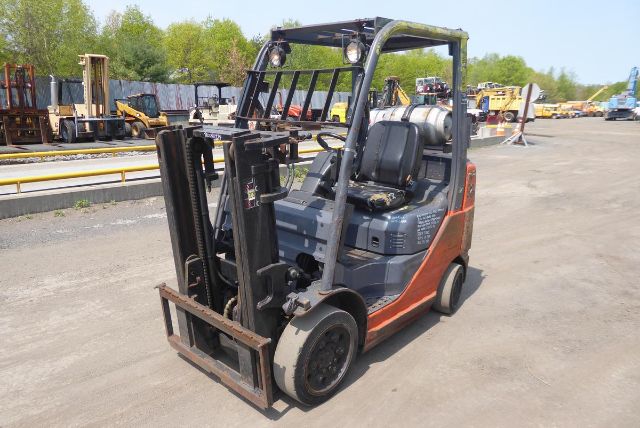
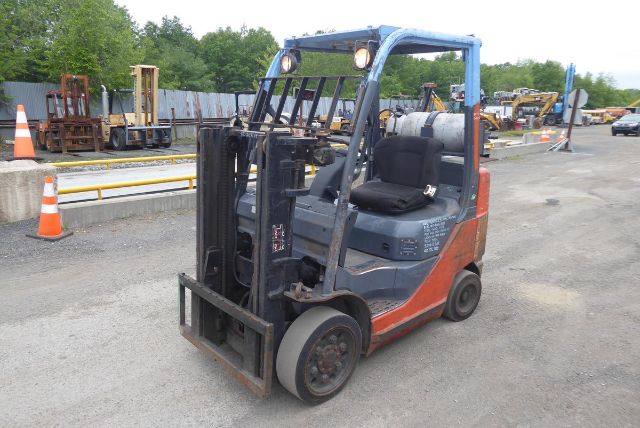
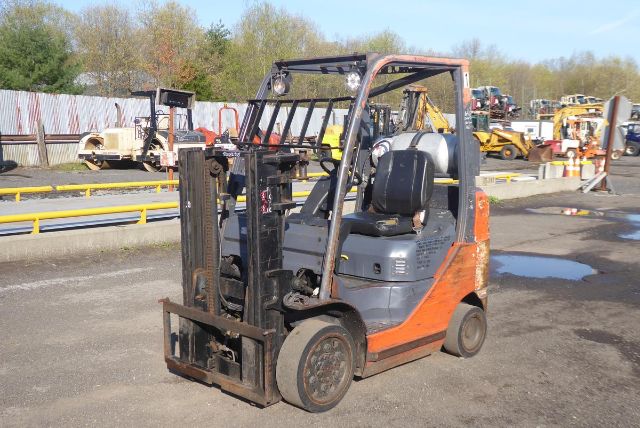
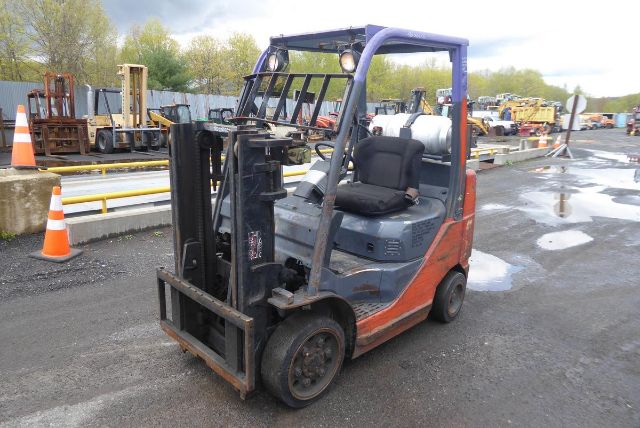
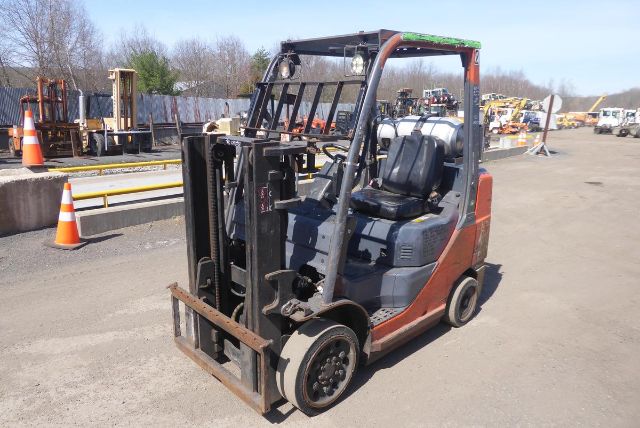
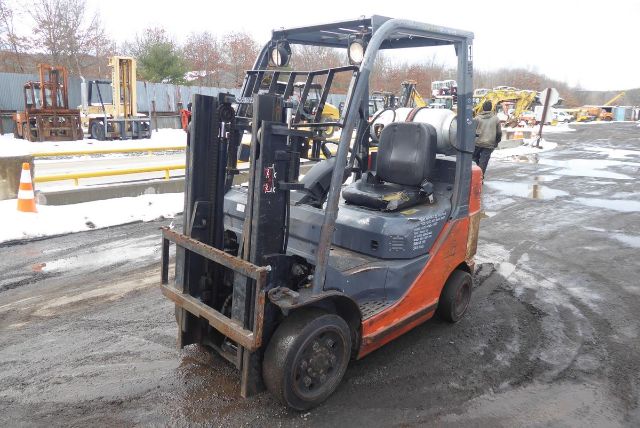
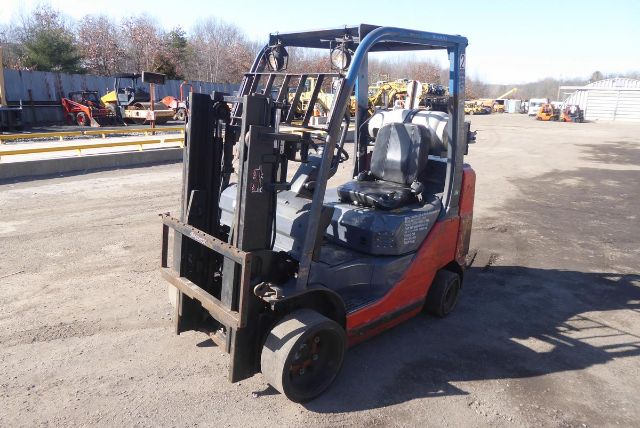
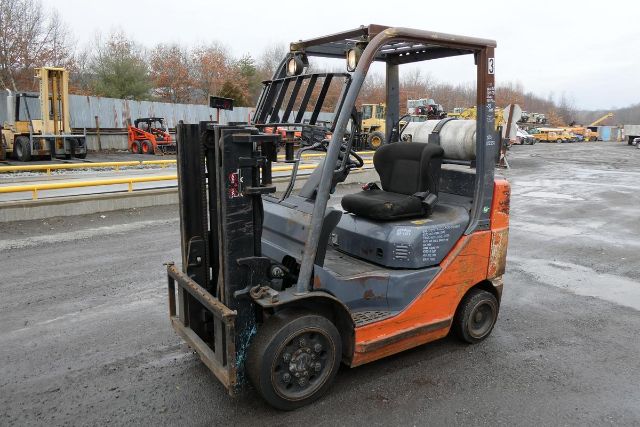
Have 2007 lifts - fork equipment to sell? List it here to reach thousands of buyers.
2007 Lifts - Fork in New York
Common specs in this class include 3,000 to 5,000 lb lift capacity, two-stage or three-stage masts, and propane, gasoline, diesel, or electric power depending on the application. A typical sit-down counterbalance fork lift from this period may weigh roughly 7,500 to 9,000 lbs, with overall width around 3.5 feet and overhead guard height near 7 feet. Buyers should match the truck to the real load, not just the nameplate capacity. Capacity drops as load center increases, and attachments like side shift, fork positioners, carton clamps, or longer forks can reduce effective lifting ability. Mast collapsed height, maximum lift height, and free lift are especially important if the truck will work inside trailers, low-clearance buildings, or racking systems.
Fuel type is a major buying decision on an older fork truck. LP gas units are common because they are simple to refuel and well suited for mixed indoor-outdoor use, but buyers should inspect the vaporizer, regulator, lines, and cold-start behavior. Electric forklifts can be excellent in indoor operations, though battery age, charger compatibility, and runtime are critical cost factors. Internal-combustion units should be checked for exhaust leaks, overheating, hydraulic leaks, and driveline noise under load. On any 2007 machine, look closely at the mast channels, carriage rollers, chain stretch, steer cylinder seals, and tire condition. Cushion tires are ideal for smooth surfaces and tight turning, while pneumatic tires make more sense for rougher yards, lumber handling, and uneven pavement.
A strong 2007 fork lift is usually defined by simple, durable configuration and documented maintenance. Side shift is one of the most useful options because it speeds pallet alignment and reduces unnecessary repositioning. Solid tires, dual drive tires, operator restraint systems, backup alarms, work lights, and a data plate that matches the current mast and attachment setup all add value. In New York, buyers should also think about cold-weather starts, indoor emissions requirements, and parts support for common brands. A thorough inspection should include full-height lift testing, tilt function, parking brake hold, inching response, and operation in forward and reverse with a load. A lower-priced unit can become expensive quickly if it needs chains, mast rollers, tires, or hydraulic work right away.
Frequently Asked Questions about 2007 Lifts - Fork in New York
What lift capacity is most common on a 2007 fork lift?
Many 2007 fork lifts on the used market fall in the 3,000 to 5,000 lb range, which covers standard pallet handling, dock work, and warehouse applications. The right capacity depends on the load center, lift height, attachment weight, and the heaviest product actually moved. A truck rated at 5,000 lbs at a 24-inch load center will not necessarily handle that same weight safely with long forks, clamps, or tall stacking requirements.
Is a 2007 forklift too old for daily commercial use?
Not necessarily. A 2007 forklift can still be a reliable daily machine if it has been maintained properly and passes inspection in the areas that matter most, including mast wear, chains, hydraulics, brakes, steering, transmission, and engine or battery condition. Age alone does not determine usefulness in this category. Many older forklifts stay in service for years because the design is straightforward and parts support remains available for major brands.
What should I inspect first on a used fork truck?
Start with the mast, carriage, forks, chains, hydraulic cylinders, and tire condition because these directly affect safe lifting. Then check hour meter credibility, cold-start behavior, brake response, transmission engagement, steering looseness, backup operation, and any signs of leaks or weld repairs. The data plate should also match the mast and attachment currently installed. If the truck has side shift or another hydraulic attachment, test it through the full range of travel.
Are propane forklifts a good choice for warehouse work?
Propane forklifts are a common choice for warehouse and dock operations because they refuel quickly and can work indoors with proper ventilation and emissions compliance. They are especially useful in operations that move between inside and outside areas. On an older propane unit, inspect the fuel system carefully, including regulator function, hoses, fittings, and how the engine runs after sitting. Hard starting, flooding, or rough idle can point to fuel system issues that need attention.
Which mast type is best for a used forklift?
The best mast depends on the building and load environment. A two-stage mast is simple and often works well where overhead clearance is not a problem. A three-stage mast offers a lower collapsed height with higher lift capability, which is helpful for trailers, containers, and low-door openings. Buyers should compare collapsed height, full lift height, and free lift to the exact racking, dock, and doorway conditions where the forklift will be used.