
Used Hyster Equipment For Sale in New York
Browse used Hyster trucking equipment in New York, including warehouse and heavy-duty forklifts with diesel, propane, and electric options.
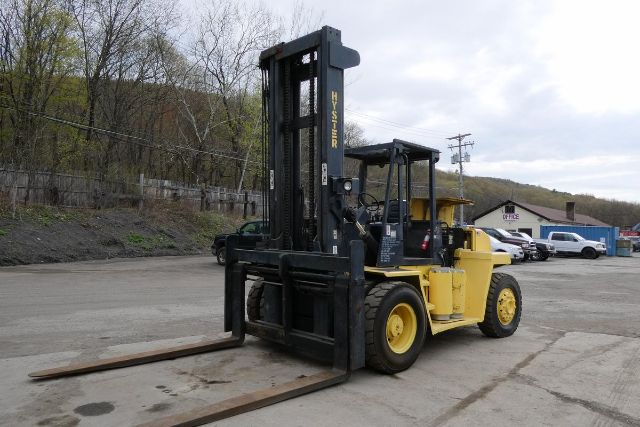
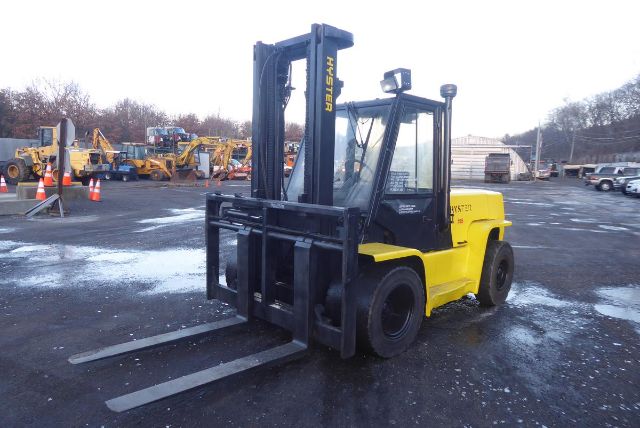
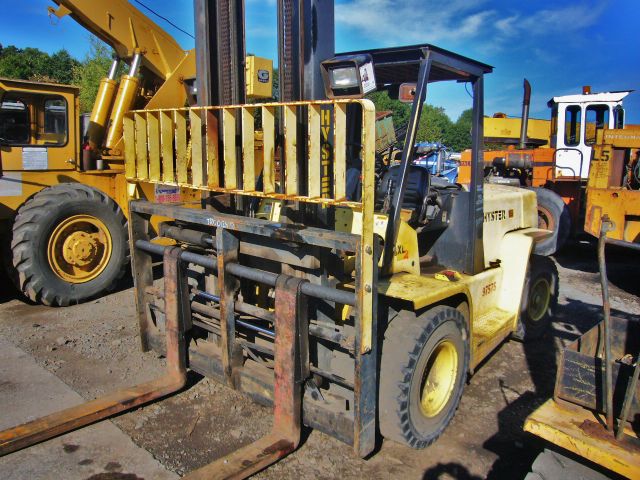
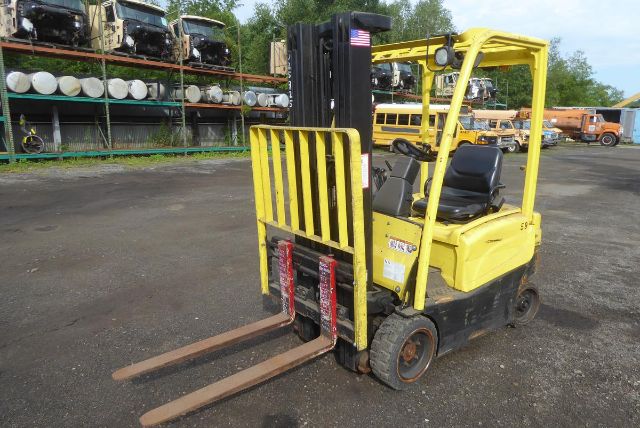
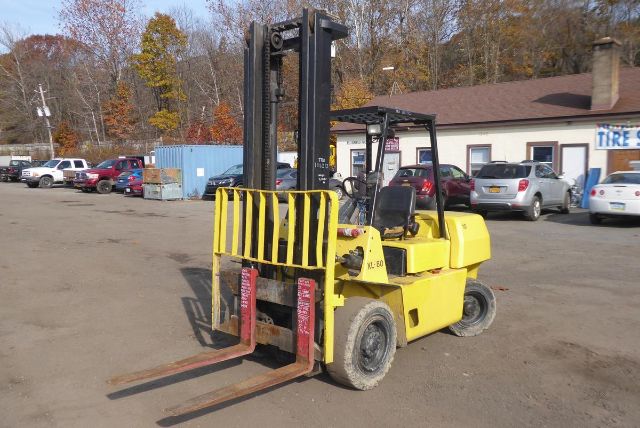
Selling a used hyster equipment? List your used hyster equipment for sale and reach thousands of commercial buyers.
Used Hyster Equipment in New York
Capacity and mast configuration matter more than brand reputation alone. A used Hyster forklift may look right on paper, but fork length, load center, side shift, fork positioners, and mast type can change the real working capacity significantly. Dual mast and triple mast setups affect lowered height, maximum lift height, and visibility. Long forks can also de-rate a machine compared with its nominal capacity tag. Buyers handling pipe, pallets, fabricated steel, or oversized material should compare true capacity at the intended load center, not just the headline rating.
Powertrain choice should match the jobsite and duty cycle. Diesel Hyster forklifts are common for outdoor yards and heavier lifts where torque and run time matter. Propane units are popular for mixed indoor and outdoor use when fast refueling is important. Electric Hyster forklifts fit warehouse aisles, enclosed docks, and food or retail distribution environments where emissions and noise are concerns. On used electric models, battery voltage, amp-hour rating, charger compatibility, and battery age deserve the same attention as hours on the meter. On internal combustion units, buyers should pay close attention to transmission response, brake type, hydraulic cylinder condition, mast wear, steer axle play, and tire type such as cushion, solid pneumatic, or air-filled.
For New York buyers, machine dimensions can be just as important as lift specs. Overall height, mast lowered height, width, and turning radius affect trailer loading, warehouse door clearance, and operation in older industrial buildings with tighter layouts. Heavy forklifts also need to be matched to floor loading and transport requirements, especially when machine weight climbs past 20,000 lbs. A solid used Hyster should be evaluated for chain wear, carriage slack, mast rollers, leaks at tilt and lift cylinders, cold-start behavior, and service history. When the application, attachment setup, and actual rated capacity line up, Hyster forklifts remain a practical choice for fleet support, yard handling, and dedicated material-moving work.
Frequently Asked Questions about Used Hyster Equipment in New York
What should I look at first when buying a used Hyster forklift?
Start with rated capacity, actual load center, mast type, and overall machine dimensions. Those four items determine whether the forklift can safely handle your material and physically operate in your facility or yard. After that, inspect hydraulic performance, mast and chain wear, transmission engagement, brake operation, tire condition, and any attachment such as side shift or fork positioners. On used units, the real value is in how the machine performs under load, not just the hour meter reading.
Are diesel, propane, and electric Hyster forklifts suited for different jobs?
Yes. Diesel Hyster forklifts are generally best for outdoor use, rougher yards, and heavier material handling where long run time and strong low-end power matter. Propane models are often chosen for mixed indoor and outdoor service because refueling is fast and operation is cleaner than diesel in many settings. Electric units are ideal for warehouses and enclosed spaces where low noise, zero tailpipe emissions, and tighter maneuverability are priorities. The best choice depends on ventilation, shift length, terrain, and lift frequency.
How does mast style affect a used Hyster forklift’s usefulness?
Mast style changes both lift height and how compact the machine is when lowered. A dual mast is common for simpler applications and can offer good durability and visibility, while a triple mast is useful when buyers need more lift height without excessive collapsed height. Lowered mast height matters for trailers, door openings, and low-clearance buildings. Buyers should also check for mast roller wear, chain stretch, carriage play, and smooth lift operation through the full range.
Why can a forklift’s true lifting capacity differ from the listed capacity?
The posted capacity is based on a specific load center and standard fork setup. If a used Hyster has longer forks, a different carriage, clamp attachment, or fork positioners, the effective lifting capacity may be lower than the nameplate number suggests. Load shape also matters because long or uneven material shifts the center of gravity forward. Buyers should confirm the data plate matches the installed attachment package and verify the rated capacity for the exact type of load they intend to handle.
What matters most on a used electric Hyster forklift?
Battery condition is one of the biggest value drivers on an electric forklift. Buyers should verify battery voltage, amp-hour rating, charger compatibility, age, watering history, and how well the unit holds charge through a full shift. Beyond the battery, inspect hydraulic function, lift and tilt response, drive motor performance, braking, steer operation, and mast wear. A low-hour electric forklift can still become expensive if the battery is near the end of its service life.