
Used Hyster Equipment For Sale
Browse used Hyster forklifts and material handling equipment with details on lift capacity, mast setup, fuel type, and warehouse or yard use.
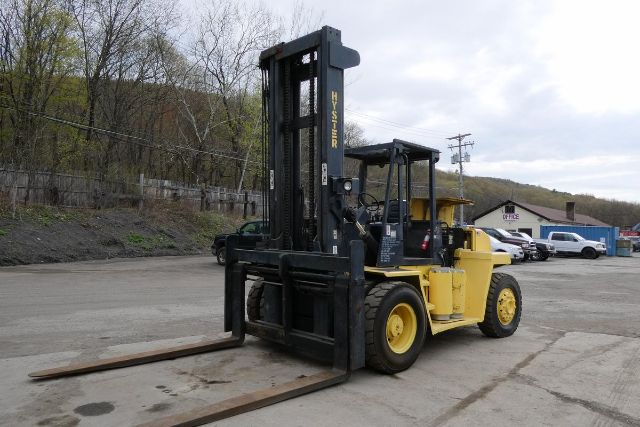
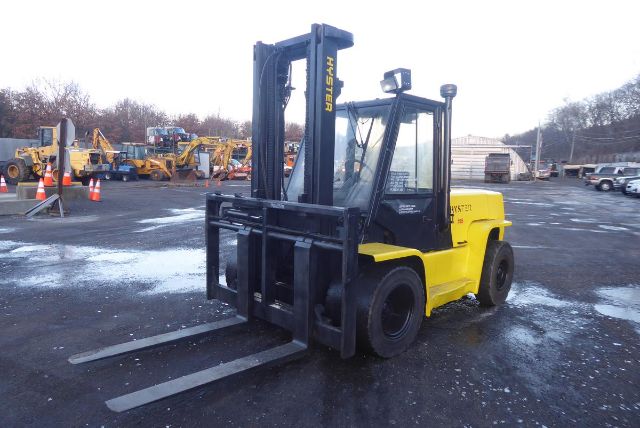
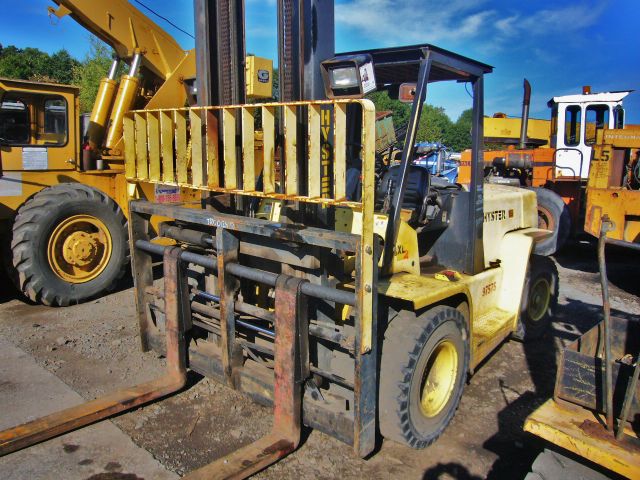
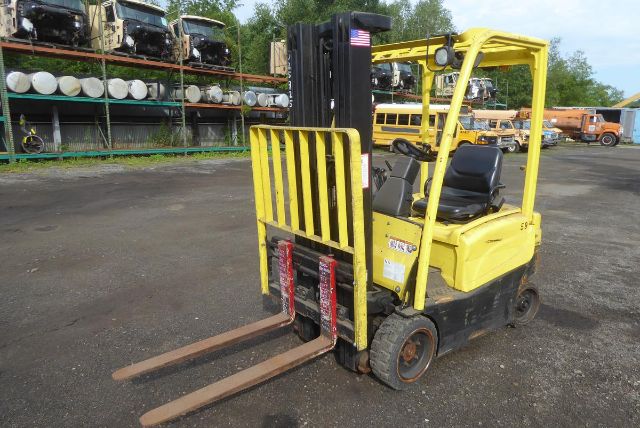
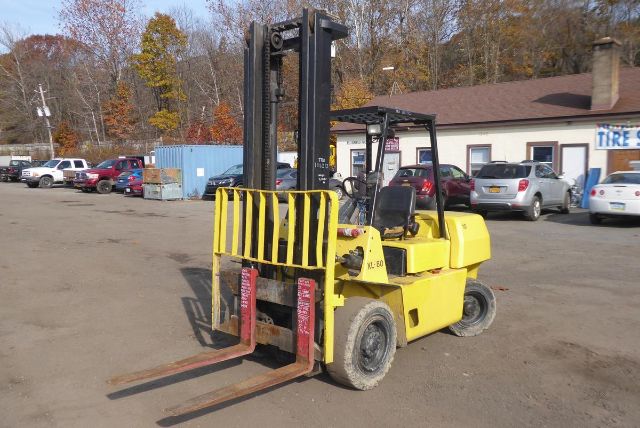
Selling a used hyster equipment? List your used hyster equipment for sale and reach thousands of commercial buyers.
Used Hyster Equipment
Capacity and lift height should be evaluated together. A Hyster forklift with a triple mast and high loading height can be ideal for warehouse stacking, but residual capacity drops as lift height increases or when long forks and hydraulic fork positioners are added. That matters on used units because a truck may be de-rated from its original nameplate capacity depending on the attachment and fork setup. Buyers should also compare side shift, fork positioners, mast tilt, carriage class, and whether the machine has a duplex or triple mast. In trailer loading and dock work, visibility through the mast, overall lowered height, and turning radius can matter as much as raw lift numbers.
Powertrain choice changes where and how the forklift can work. Diesel Hyster models are common in outdoor yard service and heavier applications. Propane units are often used where cleaner operation and fast refueling are important. Electric Hyster forklifts, including 36V and similar battery-powered models, are common for indoor warehouse duty where low noise and zero tailpipe emissions are required. On used equipment, battery age, charger compatibility, and amp-hour rating are major value factors on electric trucks. On internal combustion models, pay close attention to engine type, cold-start behavior, transmission response, hydraulic function, and tire condition. Solid pneumatic or cushion-style tires suit different surfaces, and the wrong tire setup can limit performance or increase wear.
A good used Hyster forklift should be matched to the load center and the environment, not just the heaviest lift you expect once in a while. Heavy, long, or awkward freight can change real-world lifting performance quickly. Buyers should verify hour meter readings against overall wear, inspect mast rails and chains, check for cylinder leaks, test brake feel, and confirm that attachments such as side shift or hydraulic fork positioners operate smoothly under load. If the truck will work around trailers, containers, pipe, pallets, or fabricated steel, fork length, back tilt, loading height, and operating weight all deserve close review. Hyster remains a strong choice in the used market because parts support is generally solid, the product range is broad, and many models have proven durable in high-cycle material handling service.
Frequently Asked Questions about Used Hyster Equipment
What should I look at first when buying a used Hyster forklift?
Start with the actual lifting application, then compare capacity, load center, and mast configuration. A forklift that is rated for a certain weight on paper may have lower usable capacity once long forks, a side shift, or fork positioners are installed. After that, inspect the mast, chains, cylinders, carriage, transmission response, brakes, and tire condition. On electric models, battery condition and charger specs are just as important as the hour meter.
Are diesel, propane, and electric Hyster forklifts suited to different jobs?
Yes. Diesel Hyster forklifts are typically better for outdoor work, rougher surfaces, and heavier loads. Propane models are common in mixed indoor-outdoor service because refueling is quick and emissions are generally more manageable than diesel. Electric Hyster forklifts are usually the best fit for indoor warehouse use where noise, ventilation, and zero tailpipe emissions matter. The best choice depends on duty cycle, floor conditions, ventilation, and available fueling or charging infrastructure.
Why does mast type matter on a used Hyster forklift?
Mast type affects lift height, collapsed height, visibility, and residual capacity. A duplex mast is often simpler and may offer good visibility, while a triple mast allows greater lift height with a lower collapsed profile for door clearance and trailer entry. The tradeoff is that higher-reaching mast setups can reduce effective lifting performance at height. Buyers should match the mast to rack height, trailer loading needs, and building clearances.
How important are fork length and hydraulic attachments on used forklifts?
They are very important because they directly affect how the forklift handles real freight. Longer forks can improve support for oversized loads, but they can also reduce effective capacity and make maneuvering tighter. Attachments like hydraulic side shift and fork positioners improve productivity and reduce manual adjustment, especially in high-cycle loading environments. They also add complexity, so buyers should confirm smooth operation, look for leaks, and make sure the attachment suits the cargo being handled.
Is a higher-hour used Hyster forklift still worth considering?
It can be, if the truck has been maintained properly and the major systems are sound. Hour meters help estimate use, but overall condition tells the real story. A forklift with clean hydraulics, tight mast components, responsive transmission operation, and documented maintenance can be a better buy than a lower-hour unit with neglected service. On electric trucks, battery health can outweigh hour count. On diesel or propane units, engine condition, cooling system performance, and driveline behavior are critical.