
Altec Equipment For Sale
Shop Altec equipment for utility, telecom, tree and contractor work, including aerial devices, digger derricks, cranes and service bodies.
Selling a altec equipment? List your altec equipment for sale and reach thousands of commercial buyers.
Altec Equipment
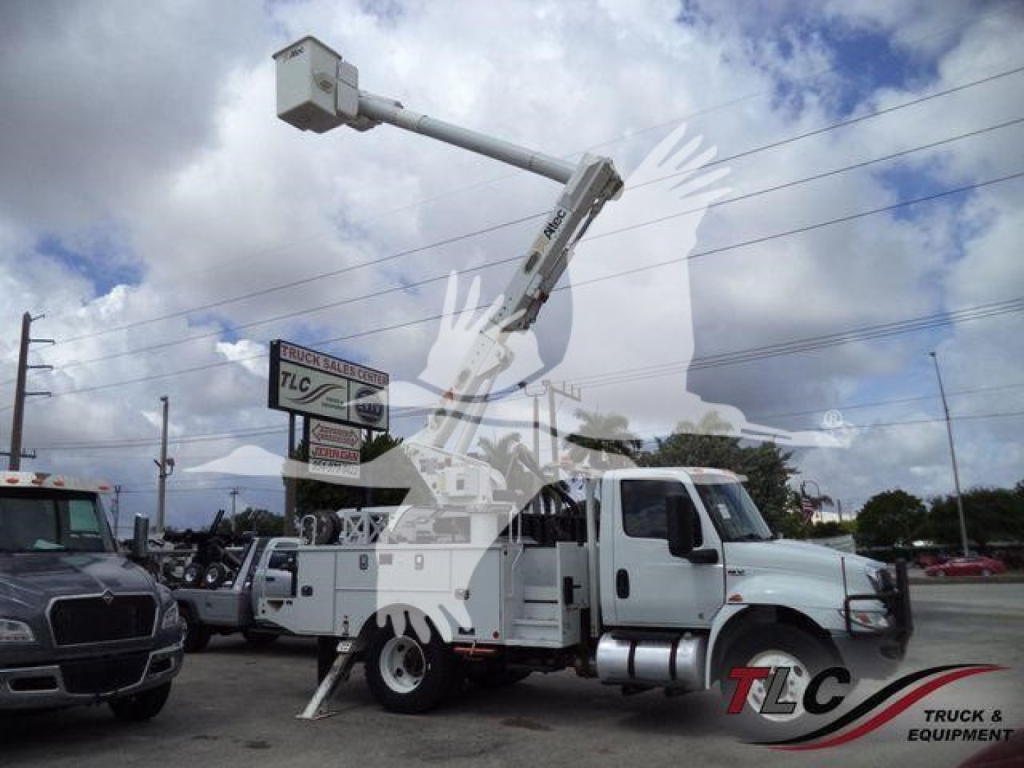
Aerial devices are among the most common Altec offerings. Models may include non-overcenter and overcenter booms, insulated buckets for utility line work, and material handling combinations that add a jib or winch for lifting transformers, hardware, or jobsite materials. Key specs to compare are platform height versus working height, horizontal reach, stowed travel height, outrigger style, boom articulation, and dielectric category if the unit will be used near energized lines. Buyers should also pay attention to the body package. A utility body with compartment volume, reel mounts, ladder racks, scuff liners, and inverter or generator provisions can be just as important as the boom itself, especially for service crews that need to carry tools, wire, and hardware efficiently.
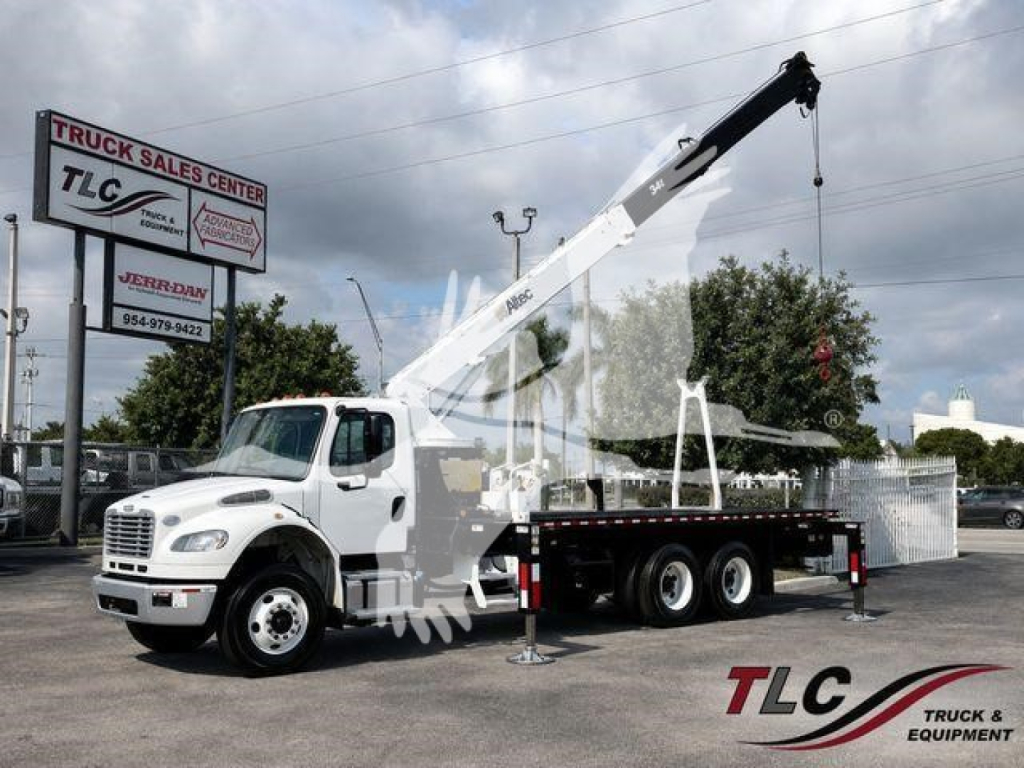
For crane and derrick applications, Altec equipment is often chosen for utility construction, pole setting, and field service work where stability and hydraulic performance are critical. Digger derricks require close review of auger tooling, pole guide setup, sheave height, lifting chart, and PTO and hydraulic condition. Crane-equipped service trucks should be evaluated for crane rating, boom length, stabilizer spread, and how well the service body matches the intended workload. Chassis specifications also matter because many Altec units are mounted on medium-duty trucks with air brakes, automatic transmissions, diesel engines, and GVWRs that may fall either below or above CDL thresholds. That directly affects hiring flexibility, route planning, and operating cost.
A smart Altec buyer looks beyond model name alone and evaluates inspection history, ANSI compliance, annual dielectric testing records when applicable, hydraulic leaks, boom wear, rotation bearing condition, and any structural repairs to the body or subframe. It is also worth confirming control station layout, remote operation capability, PTO engagement, and the condition of outriggers, pads, and interlock systems. For fleets in utility and municipal service, Altec remains a common choice because technicians already know the equipment, replacement parts are widely recognized, and many operators are familiar with the control logic. That makes used Altec equipment especially attractive when uptime, operator acceptance, and serviceability are high priorities.
Frequently Asked Questions about Altec Equipment
What types of equipment are commonly sold under the Altec name?
Altec is best known for truck-mounted aerial devices and utility upfits, including bucket trucks, material handling booms, digger derricks, cranes, and service bodies. Many units are built for electric utility, telecom, sign, lighting, municipal, and tree care work. The specific value of an Altec unit usually comes from the combination of boom, body, hydraulics, and chassis rather than the brand name alone.
What should I check first when comparing used Altec equipment?
Start with the application-critical specs: working height, side reach, insulation rating, winch or jib capacity, outrigger configuration, and body storage layout. Then review the inspection and maintenance side, including ANSI inspections, dielectric test records if the unit is insulated, PTO operation, hydraulic system condition, and any boom or subframe repairs. A clean service history and a configuration that matches the job are usually more important than small differences in model year.
Are Altec units available in non-CDL configurations?
Yes. Many Altec aerial and service units are mounted on chassis with a 26,000-pound GVWR, which can keep the truck in a non-CDL class in many applications. That said, the exact legal requirement depends on GVWR, actual operating weight, state rules, and how the truck is equipped. Buyers should verify the completed vehicle rating and intended payload because added tools, materials, and accessories can affect compliance and usability.
Why do insulation and dielectric testing matter on Altec bucket trucks?
Insulation and dielectric testing matter because many Altec aerial devices are used near energized utility lines. An insulated boom and bucket are designed to provide protection only when the unit is properly maintained, tested, and operated within its rating. Buyers should confirm the category of insulation, review recent dielectric test documentation, and inspect the boom and bucket condition carefully because contamination, damage, or improper repairs can compromise the insulating properties.
Is parts and service support an advantage with Altec equipment?
For many buyers, yes. Altec equipment is common in utility and municipal fleets, so many technicians, operators, and fleet managers are already familiar with the systems and service points. That familiarity can help with training, troubleshooting, and sourcing routine replacement items. Support still varies by region and by the age of the unit, so buyers should confirm access to parts, manuals, and qualified service before making a final decision.