
2021 Equipment For Sale in New York
Browse 2021 trucking equipment listings in New York, including trailers, vocational bodies, handling equipment, and support units for fleet operations.
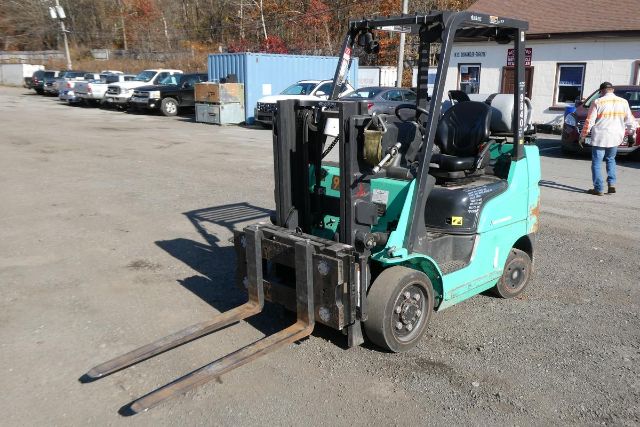
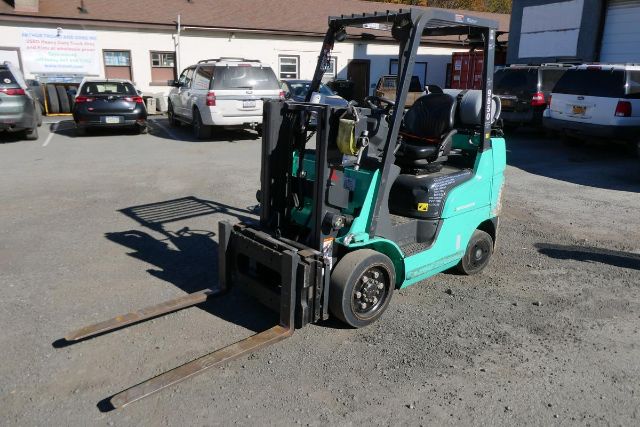
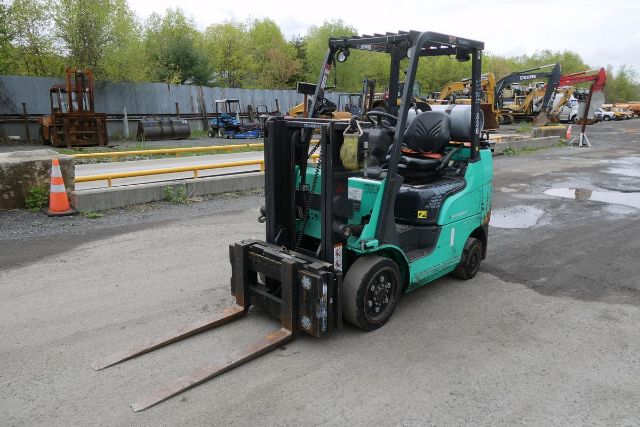
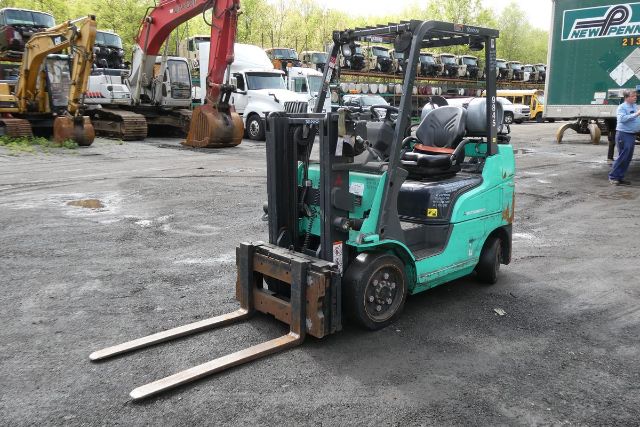
Selling a 2021 equipment? List your 2021 equipment for sale and reach thousands of commercial buyers.
2021 Equipment in New York
For buyers comparing 2021 trucking equipment, start with the basics that affect utilization every day: rated capacity, operating weight, dimensions, power source, tire type, and attachment setup. On forklift and lifting equipment, that means mast configuration, lift height, side shift, fork length, turning radius, and whether the machine is propane, diesel, or electric. On heavier support equipment, it means transport dimensions, hydraulic function, undercarriage or tire condition, and actual compatibility with your loading dock, yard surface, and trailer fleet. In New York, cold weather, indoor-outdoor use, and tight urban operating space can all influence the right spec. Solid pneumatic or cushion tires, enclosed operator stations, and clean-running fuel systems can matter as much as purchase price.
Condition matters more than the badge on the hood when shopping used 2021 trucking equipment. Buyers should pay close attention to hour meter readings, service records, hydraulic leaks, fault lights, steering response, mast wear, brake feel, tire or track condition, and any signs of structural repair. On fleet support equipment, small issues like seepage at cylinders, weak starters, worn forks, or excessive pin and bushing play can turn into real downtime if the machine is expected to work every shift. If the equipment will be used around trucks and trailers all day, confirm visibility, ease of entry, parts support, and operator familiarity. Common makes in this space typically have strong dealer networks, but actual service access in your region is what keeps a unit productive.
A 2021 model year can be a smart target for fleets that want modern equipment without stepping into the highest acquisition cost tier. Buyers should still verify serial tags, emissions labels, safety equipment, and any added features such as hydraulic side shift, fork positioners, auxiliary hydraulics, enclosed cabs, or telematics. The best purchase is the one that matches the work, not the one with the most options. Focus on lift capacity versus actual load, yard layout, trailer floor height, operator skill level, and expected annual hours. That approach usually leads to better uptime, lower cost per hour, and equipment that fits the operation from day one.
Frequently Asked Questions about 2021 Equipment in New York
What should I look for first when buying used 2021 trucking equipment?
Start with the specs that directly affect the job: capacity, dimensions, power source, and operating condition. Then verify hour meter readings, service history, visible leaks, tire or undercarriage wear, and how the equipment starts, steers, lifts, and brakes. A newer model year does not automatically mean lower risk, so inspection quality matters more than the calendar.
Is 2021 trucking equipment a good value compared with newer models?
In many cases, yes. A 2021 unit can offer updated controls, newer safety features, and meaningful remaining service life while avoiding the highest purchase cost associated with new equipment. The value depends on hours, maintenance history, and how hard the machine was used, especially in high-cycle warehouse or yard applications.
How important is the power source on trucking support equipment like forklifts?
It is one of the most important buying decisions. Propane forklifts are common for mixed indoor-outdoor work and fast refueling, diesel units are often preferred for heavy outdoor use, and electric equipment can be ideal for indoor operations with emissions or noise limits. In New York, buyers should also consider cold-weather starting, ventilation requirements, and the availability of charging or fuel infrastructure.
What condition issues cause the most downtime on used fleet support equipment?
Hydraulic leaks, mast or carriage wear, steering problems, weak batteries or starters, brake issues, and neglected tires are common downtime drivers on lifting equipment. On heavier support machines, worn pins and bushings, undercarriage wear, and poor fuel or injection system condition can become expensive quickly. A machine that runs but has multiple small defects can cost more in lost productivity than a higher-priced unit in better mechanical condition.
Are dimensions and layout really that important when comparing 2021 trucking equipment?
Yes. Width, overall height, turning radius, fork length, mast height, and loading reach determine whether the equipment can actually work in your building, yard, or loading area. Buyers should compare those measurements against dock heights, trailer interiors, aisle widths, and gate openings before making a decision. A machine with the right footprint often delivers better daily productivity than a larger unit with extra capacity you do not use.