
2016 Equipment For Sale in New York
Browse 2016 trucking equipment for sale in New York, including trailers, bodies, support gear, and vocational equipment for fleet and jobsite use.
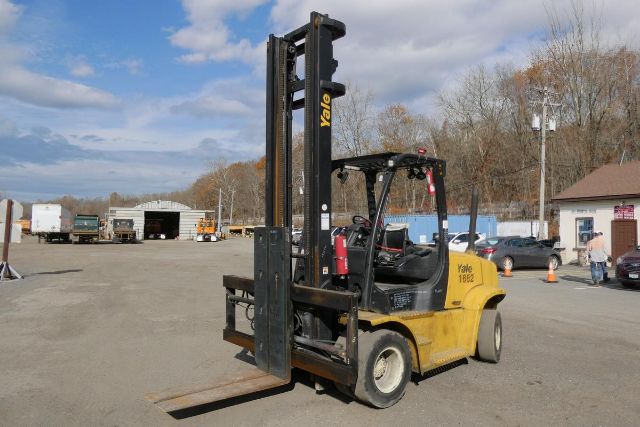
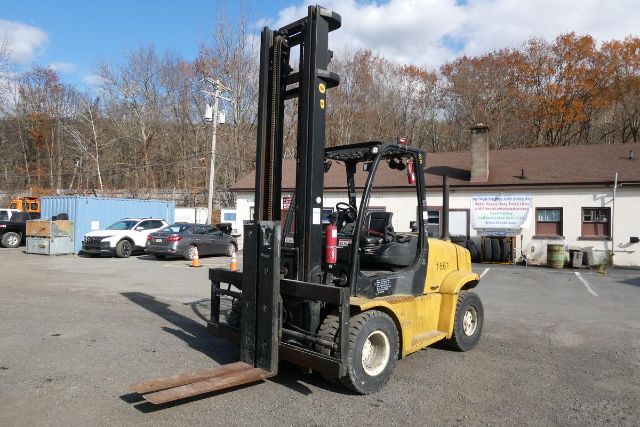
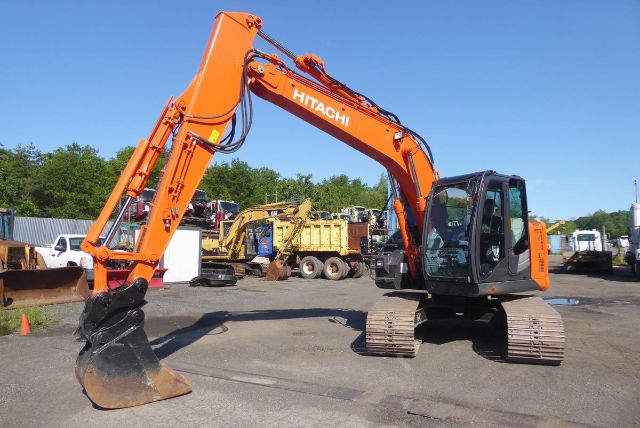
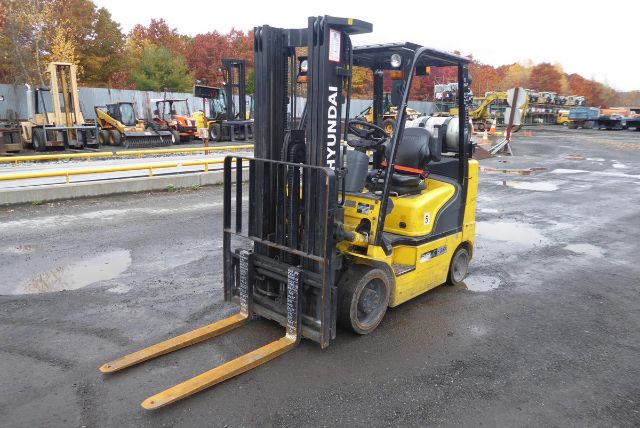
Selling a 2016 equipment? List your 2016 equipment for sale and reach thousands of commercial buyers.
2016 Equipment in New York
For equipment in this age range, the major decision points are usually powertrain type, hydraulic condition, structural integrity, and attachment setup. On forklifts and other lift equipment, that means lift capacity, mast configuration, side shift, fork length, fuel type, and tire type. On truck-mounted or vocational support equipment, buyers should verify engine hours versus odometer readings, PTO or hydraulic operation, frame condition, axle ratings, and any added components that affect usability or transport weight. Machines used in New York often deserve extra attention around rust, electrical connectors, undercarriage wear, brake lines, pins and bushings, and cold-weather starting performance.
A 2016 model year can be a practical middle ground for buyers who want more modern ergonomics and serviceability than older equipment, but without the cost jump tied to newer emissions-era machines or highly optioned late-model units. Depending on the equipment class, you may see common features such as automatic or hydrostatic transmissions, propane or diesel power, open ROPS or enclosed operator stations, solid or pneumatic tires, and hydraulic auxiliary functions. If the equipment will work around loading docks, tight yards, or urban jobsites, overall width, turning radius, loading height, and transport dimensions matter just as much as rated capacity.
The strongest value in 2016 trucking equipment usually comes from matching the machine to the duty cycle. A buyer handling palletized freight has very different needs than a contractor moving aggregate, compacting asphalt, or operating a truck-based excavator. Review service records, look for dry cylinders and consistent hydraulic response, confirm attachments and controls function correctly, and check that replacement parts are still easy to source through OEM or aftermarket channels. For many fleets and owner-operators, a well-maintained 2016 piece of trucking equipment can still deliver dependable service, manageable acquisition cost, and a broad range of vocational uses across transportation, construction, and industrial work.
Frequently Asked Questions about 2016 Equipment in New York
What should I check first when buying 2016 trucking equipment?
Start with the machine's actual working condition rather than the model year. Verify hours, maintenance records, hydraulic performance, structural condition, engine operation, and any signs of corrosion or repairs. In New York, rust exposure can be a major factor, so inspect frames, masts, undercarriages, wiring, brake components, and attachment mounting points carefully. A clean inspection in those areas usually tells you more than age alone.
Is 2016 trucking equipment still a good value for commercial use?
Yes, 2016 equipment can be a strong value point if it has been maintained correctly and matched to the intended workload. Many units from this period offer proven components, familiar controls, and readily available replacement parts. Buyers often choose this age range to avoid the higher cost of newer equipment while still getting modern enough design, operator comfort, and service access for daily use.
How important are hours compared with condition on 2016 equipment?
Hours matter, but condition matters more. A higher-hour unit with documented service, dry hydraulics, strong compression, and tight steering or mast operation can be a better buy than a lower-hour machine with leaks, deferred maintenance, or structural wear. Hours should be evaluated alongside usage type, environment, maintenance intervals, and whether the meter appears consistent with the machine's overall wear.
What specs matter most across different types of 2016 trucking equipment?
The key specs depend on the equipment class, but buyers usually compare capacity, operating weight, dimensions, fuel type, transmission type, axle or suspension ratings where applicable, and hydraulic or attachment capability. For lift equipment, mast type, side shift, tire type, and fork dimensions are important. For vocational and truck-based equipment, frame condition, PTO function, hydraulic output, wheelbase, and transport size often have a direct effect on jobsite performance and legal hauling requirements.
Why does location in New York matter when evaluating used trucking equipment?
New York equipment often sees road salt, freeze-thaw cycles, tight urban operation, and seasonal storage conditions that can accelerate wear. That affects steel components, electrical systems, hydraulic hoses, battery performance, and exposed fittings. A buyer should inspect for rust scale, seized pins, cracked wiring insulation, corroded connectors, and cold-start issues, especially on equipment that has worked outdoors year-round.