
2008 Equipment For Sale in New York
Browse 2008 trucking equipment for sale in New York. Compare specs, condition, applications, and compliance factors across used commercial equipment.
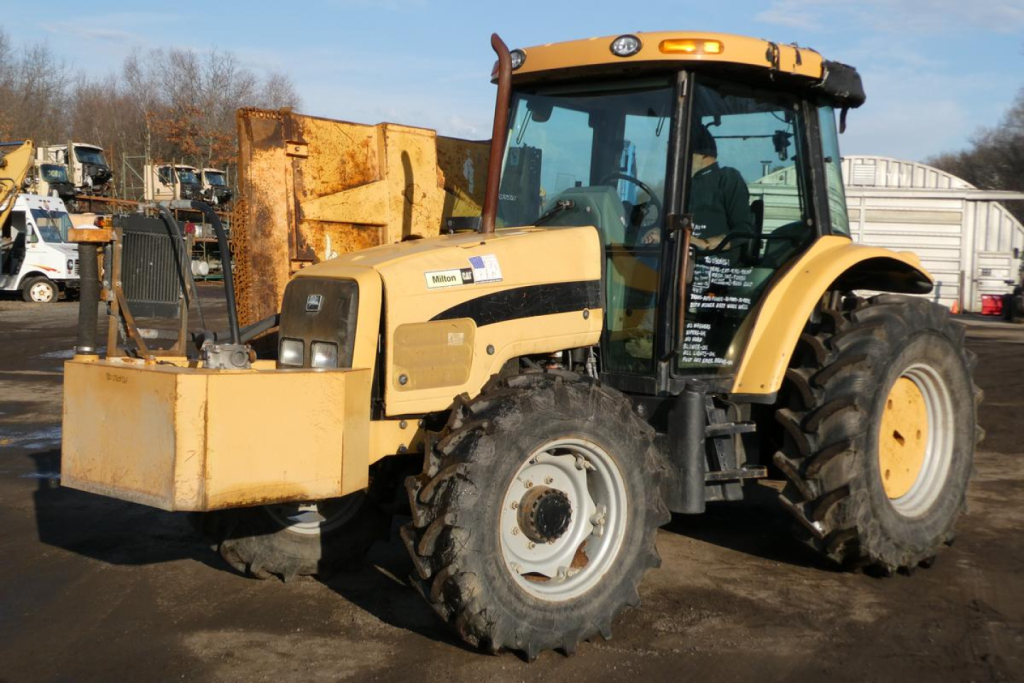
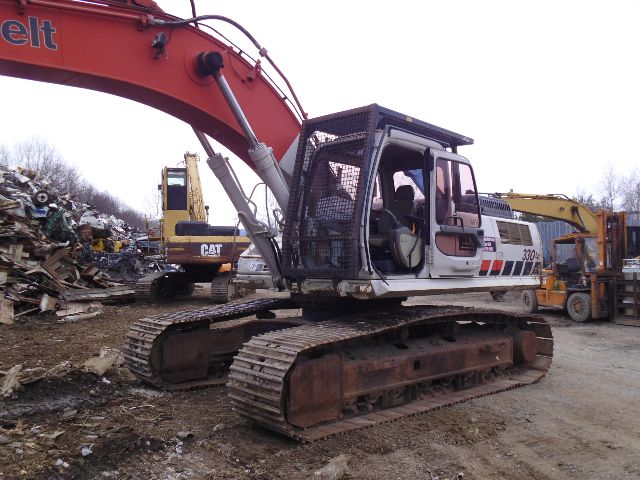
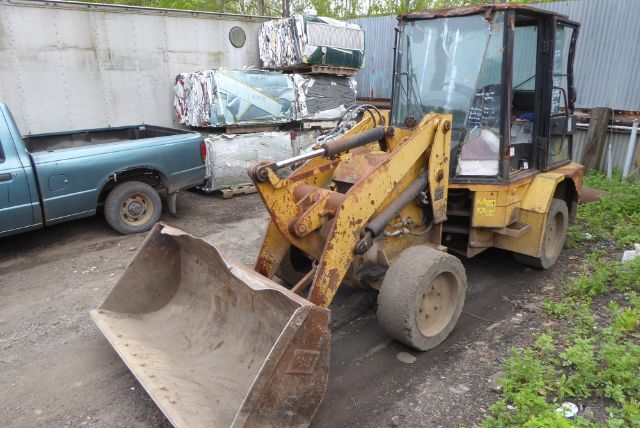
2008 Challenger MT455B
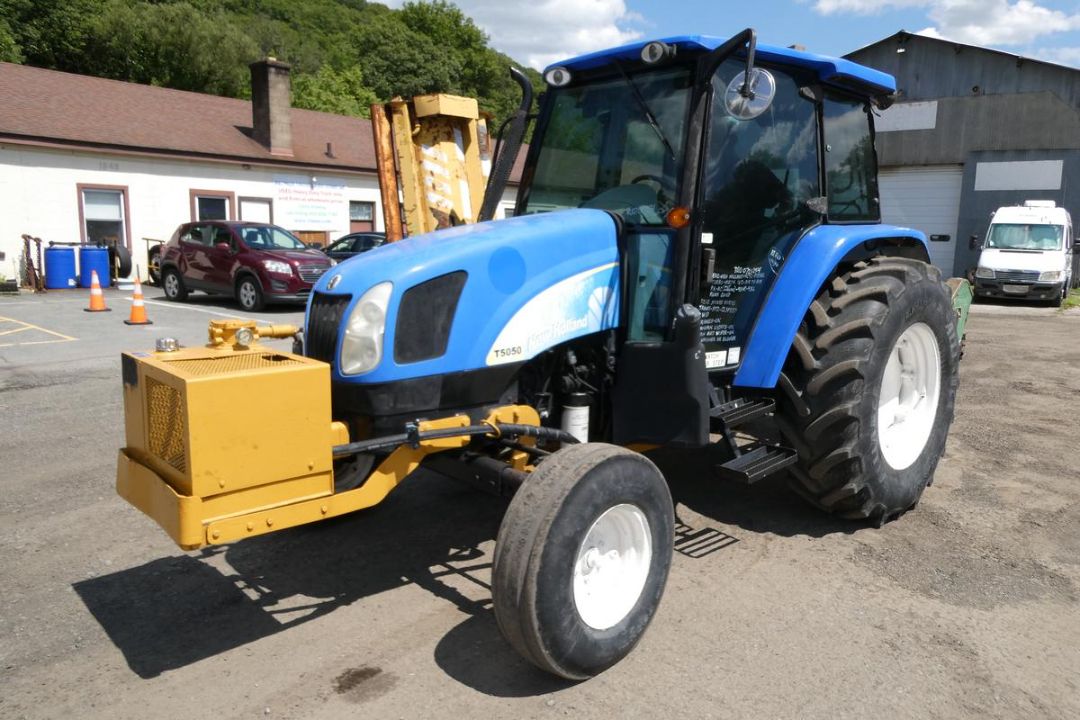
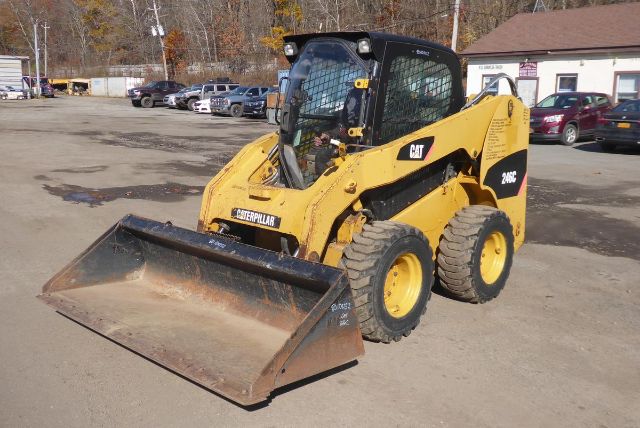
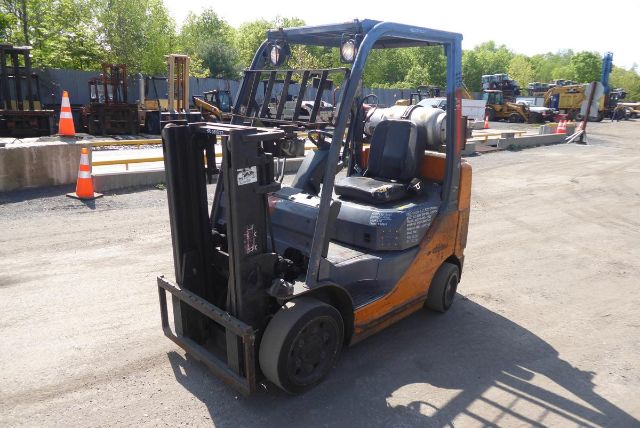
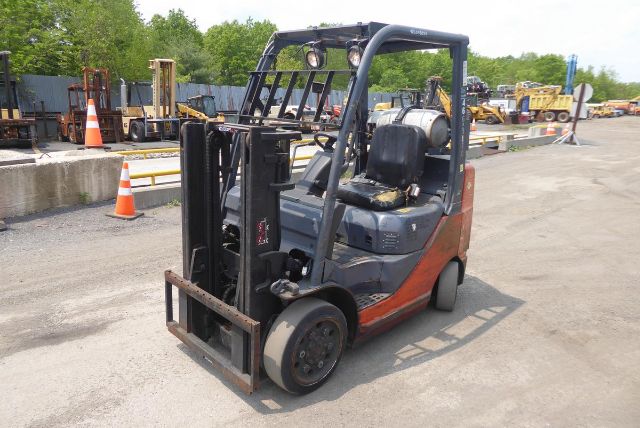
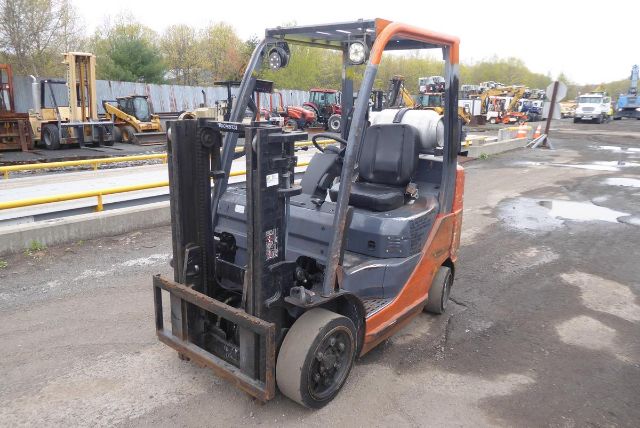
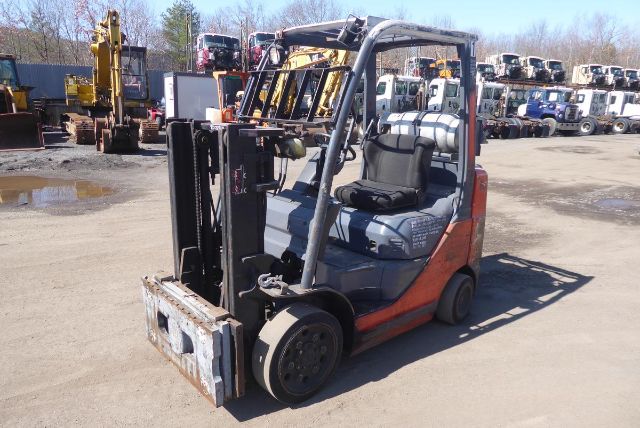
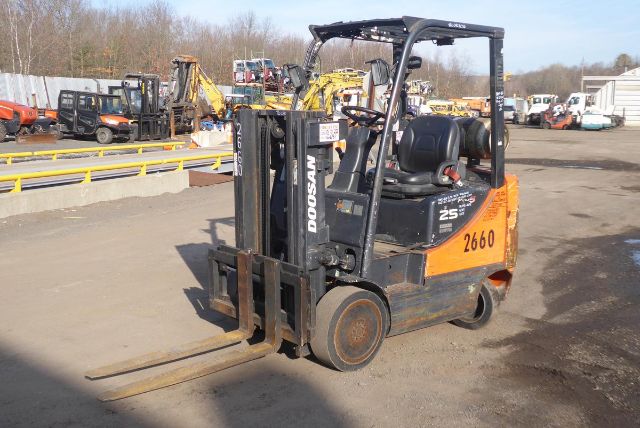
Selling a 2008 equipment? List your 2008 equipment for sale and reach thousands of commercial buyers.
2008 Equipment in New York
For road-going trucks, the biggest buying factor is often the engine and aftertreatment package. Many 2008 trucks fall into the early emissions-transition period, so buyers should confirm the exact engine family, DPF configuration, regeneration history, and any prior emissions repairs. In New York, that matters even more because registration use, local operating area, idle time, and inspection exposure can affect the long-term cost of ownership. Transmission choice also matters on 2008 equipment, with manual, automated manual, and full automatic options all common depending on the application. Axle ratings, wheelbase, suspension type, PTO provisions, and brake configuration should match the intended freight or vocational job, not just the purchase price.
On trailers and non-powered trucking equipment, a 2008 model year can still be a solid value if the structure is right. Buyers should pay close attention to frame condition, crossmembers, floor wear, roof integrity, landing gear, suspension, brake life, hub type, and tire date codes. On flatbeds and drop decks, inspect deck material, main beam condition, winch track wear, and any evidence of concentrated load damage. On dry vans and reefers, door seals, scuff liners, logistics posts, floor rating, and rear frame condition matter more than cosmetics. For specialized fleet support equipment, the same rule applies: verify capacity, hydraulic performance, electrical condition, and parts support before focusing on appearance.
A good 2008 unit is usually one with a documented service history, a clean match between specs and workload, and a realistic remaining life in the high-cost components. Buyers should review engine hours where applicable, ECM data, maintenance records, tire and brake percentages, suspension wear, and signs of corrosion from Northeast use. In New York, rust on frames, wiring, air tanks, and trailer understructures deserves close inspection. The best value in this age range often comes from equipment that has been maintained consistently and configured correctly for the lane, body type, and payload it is expected to handle.
Frequently Asked Questions about 2008 Equipment in New York
What should I check first on 2008 trucking equipment?
Start with the core cost items: engine or powertrain condition, emissions system status if applicable, frame or structural integrity, and maintenance history. On trucks, confirm the engine model, transmission type, axle ratings, suspension, brake condition, and any fault codes or regeneration issues. On trailers, inspect the frame, floor, roof, suspension, brakes, tires, and signs of corrosion. For 2008 equipment, deferred maintenance usually matters more than appearance.
Is 2008 trucking equipment too old for regular commercial use?
Not necessarily. Many 2008 trucks and trailers remain productive in regional haul, vocational work, seasonal use, farm support, local delivery, and backup fleet roles. The key is matching the equipment to the job and evaluating remaining life in major components. A well-maintained 2008 unit with the right specs can still be a practical purchase, especially when lower upfront cost is more important than the latest technology.
Why does the emissions system matter so much on 2008 trucks?
Many 2008 trucks were built during an important emissions transition period, so diesel particulate filter systems and related controls can be a major ownership factor. Buyers should verify whether the truck has a DPF, review regeneration history, check for warning lights or derate issues, and ask about prior repairs to sensors, EGR components, and aftertreatment hardware. Early emissions systems can be manageable, but they need proper diagnosis and maintenance.
What matters most for 2008 trucking equipment in New York?
In New York, corrosion and inspection readiness should be near the top of the list. Road salt and Northeast weather can accelerate rust on frames, crossmembers, brake lines, wiring, air tanks, suspension components, and trailer understructures. Buyers should also think about route type, local versus highway use, registration class, and how often the equipment will face DOT or state-level inspections. Clean structure and working safety systems are critical.
How do I know if a 2008 truck or trailer is priced fairly?
A fair price depends on configuration, condition, mileage or hours, major component life, and how usable the specs are for current freight or vocational demand. Compare similar units by engine, transmission, axle setup, body or trailer type, GVWR or capacity, and regional market. A cheaper 2008 unit can become expensive quickly if it needs tires, brakes, suspension work, emissions repairs, or structural repair immediately after purchase.