
2003 Equipment For Sale
Browse 2003 trucking equipment for sale, including trailers, trucks, and support equipment suited for hauling, loading, and fleet operations.
Selling a 2003 equipment? List your 2003 equipment for sale and reach thousands of commercial buyers.
2003 Equipment
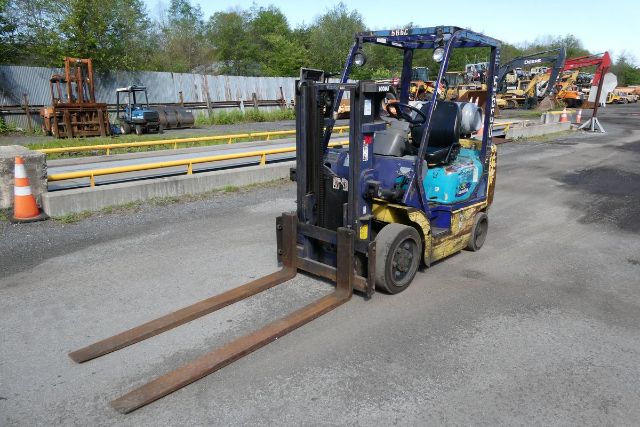
For highway equipment, buyers usually focus on engine family, transmission type, axle ratings, suspension, wheelbase, and any emissions-related considerations tied to the model year. Many 2003 trucks appeal to buyers looking for pre-DPF diesel equipment, depending on the exact application and chassis class. On trailers, attention usually goes to GVWR, deck or body configuration, floor and crossmember condition, landing gear, kingpin area, suspension type, brake setup, and tire size. For support equipment such as forklifts, common buying factors include lift capacity, mast type, fuel system, side shift, fork length, overall lowered height, and actual operating hours.
This year range is often a fit for regional fleets, owner-operators, farms, construction companies, scrap operations, export buyers, and businesses that need equipment for limited annual mileage rather than nonstop over-the-road use. A 2003 unit can still be productive if the core components are sound and parts availability remains strong. Buyers should inspect for corrosion, prior repairs, leaks, electrical issues, deferred maintenance, and wear items that can quickly change the real cost of ownership. On older trucks and trailers, it is smart to look closely at air systems, bushings, slack adjusters, wiring, lights, fifth wheel condition, and signs of fatigue cracking around stress points.
The best 2003 trucking equipment purchases usually come from matching the spec to the job instead of chasing the lowest price. A day cab, sleeper, flatbed, dry van, reefer, dump body, equipment trailer, or warehouse forklift all have different value drivers. Capacity, dimensions, lift height, axle configuration, and intended duty cycle should guide the decision. When an older unit has a solid maintenance history and the right spec for the lane or workload, 2003 trucking equipment can still offer dependable service and strong value per dollar.
Frequently Asked Questions about 2003 Equipment
Is 2003 trucking equipment too old to be a good investment?
Not necessarily. A 2003 truck, trailer, or forklift can still be a sound investment if it has been maintained properly and the major components are in good condition. On older equipment, the real value comes from service history, frame and structural condition, drivetrain health, hydraulic function, and parts support. Buyers should budget for wear items and inspect carefully, but age alone does not make a unit unsuitable for work.
What should I check first on 2003 used trucking equipment?
Start with the components that are most expensive to repair or most critical to safe operation. For trucks, that means engine, transmission, axles, suspension, brakes, frame, and electrical system. For trailers, focus on the frame, crossmembers, floor, suspension, brakes, tires, hubs, and kingpin area. For forklifts and other support equipment, check the mast, lift and tilt cylinders, carriage, forks, transmission, steering, and hour meter consistency. A close inspection for leaks, rust, weld repairs, and uneven tire wear can reveal a lot quickly.
Are 2003 trucks considered pre-emissions equipment?
Many buyers look at 2003 trucks because they may fall before later emissions systems such as DPF and DEF became standard, but the exact emissions configuration depends on the engine and chassis. It is important to verify the engine model, emissions label, and any changes made during the truck's life. Regulations also vary by state, province, port, and jobsite, so buyers should confirm compliance requirements before purchase.
What types of businesses still buy 2003 trucking equipment?
Older trucking equipment is still common in regional hauling, agriculture, construction, warehouse support, municipal work, salvage, and export markets. These buyers often prioritize lower upfront cost and manageable repair complexity over late-model features. A 2003 unit can make sense for seasonal work, backup capacity, yard use, short-route freight, or specialized applications where annual utilization is moderate and return on capital matters most.
How do I know if a 2003 unit is priced fairly?
Fair pricing depends on condition, specification, operating hours or mileage, maintenance history, and how closely the equipment matches current market demand. Two units from the same year can have very different values if one has major component rebuilds, better tires, stronger hydraulics, cleaner structural condition, or a more desirable configuration. Buyers should compare similar specs, not just model year, and factor in immediate repair needs to understand the true purchase cost.