
2001 Equipment For Sale in New York
Browse 2001 trucking equipment for sale in New York, including vocational, support, and material-handling equipment with buyer-focused specs.
Selling a 2001 equipment? List your 2001 equipment for sale and reach thousands of commercial buyers.
2001 Equipment in New York
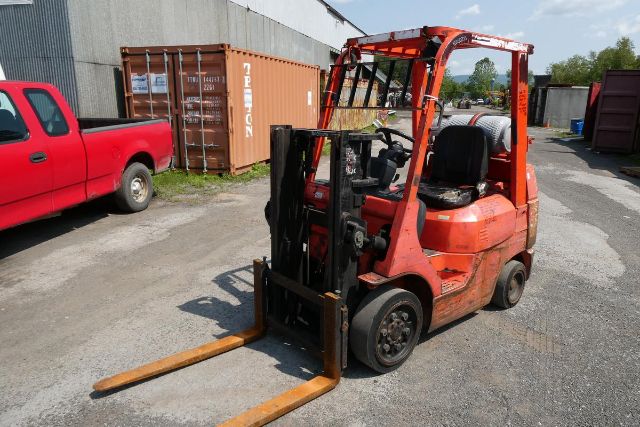
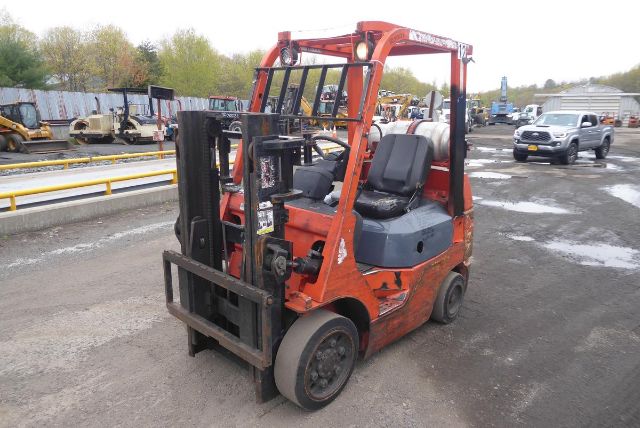
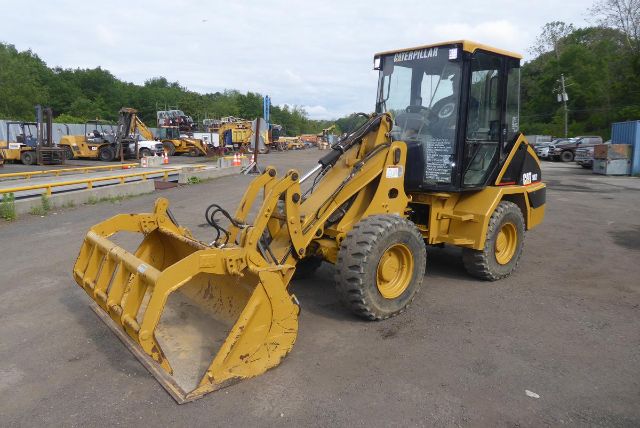
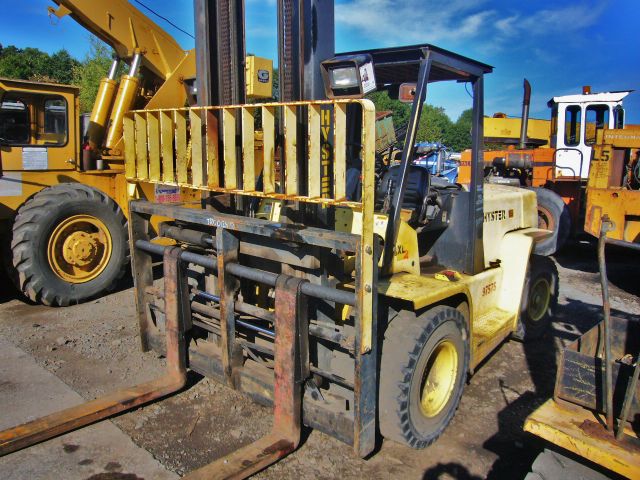
The key buying decision is matching the equipment to the job cycle. For forklifts and material-handling units, capacity, mast height, collapsed height, fork length, tire type, and fuel system matter most. Propane forklifts remain common because they refuel quickly and work well in mixed indoor-outdoor use, while diesel units are more common in heavier outdoor applications. On loaders and yard support equipment, buyers usually compare engine horsepower, operating weight, bucket or attachment setup, transmission type, hydraulic response, and tire condition. In tighter New York facilities, overall width, turning radius, and cab height can be just as important as rated capacity.
On used 2001 trucking equipment, condition details usually tell the real story. Hour meter readings help, but service records, cylinder leakage, transmission engagement, brake performance, steering play, mast wear, articulation looseness, and tire condition often matter more than age. Buyers should also look at attachment compatibility, hydraulic auxiliary valves, fork positioners, side shift, quick couplers, and any signs of frame or mast repair. For equipment used around trucks and trailers, lift height, load stability, and visibility from the operator station directly affect productivity and safety. In colder Northeast climates, enclosed cabs, working heat, strong cold-start performance, and clean hydraulic function during winter operation can make a noticeable difference.
A well-selected 2001 piece of trucking equipment can still be a practical asset for dock work, pallet handling, trailer loading, maintenance support, snow-region yard duty, and general fleet operations. Common advantages in this age group include straightforward controls, durable steel construction, and broad aftermarket parts availability for major brands. Buyers comparing listings should pay close attention to capacity tags, serial-number verification, attachment setup, fuel type, and any recent repair history. The best value is usually the unit with the clearest job fit and the least deferred maintenance, not simply the lowest price.
Frequently Asked Questions about 2001 Equipment in New York
What should I check first when buying used 2001 trucking equipment?
Start with the machine’s intended application and confirm the core specs match the work. On forklifts, that means rated lift capacity, mast height, collapsed height, fuel type, fork setup, and tire type. On loaders or support equipment, focus on operating weight, horsepower, hydraulic function, transmission operation, and attachment compatibility. After that, inspect condition items that affect downtime and repair cost, including leaks, tire wear, brake response, steering looseness, structural cracks, and evidence of poor past repairs.
Is 2001 trucking equipment too old for commercial use?
Not necessarily. Many 2001 units remain productive in yards, warehouses, farms, municipal operations, and private fleets because they are mechanically straightforward and easier to service than some newer equipment. Age matters less than maintenance history, hours, parts support, and overall condition. A properly maintained older machine with solid hydraulics, a healthy drivetrain, and good structural integrity can outperform a newer unit that has been neglected.
What types of equipment are commonly included in a trucking equipment category?
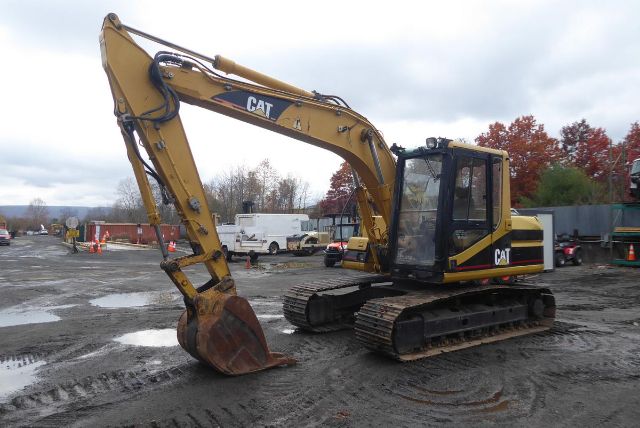
This category often includes forklifts, yard and dock support equipment, wheel loaders, service-related machines, and other vocational equipment used around trucking and freight operations. Some units are designed for pallet handling and trailer loading, while others support material movement, lot maintenance, or fleet facility work. Because the category is broad, buyers should read listing details closely to verify dimensions, capacity, fuel system, and intended use.
Why do fuel type and tire type matter so much on older equipment?
Fuel type affects operating cost, refueling convenience, emissions considerations, and where the machine can work. Propane is common on forklifts used in mixed indoor and outdoor settings, while diesel is more common on heavier outdoor equipment. Tire type also changes performance. Solid tires are common on warehouse and pavement applications, while pneumatic or filled tires are often preferred for rougher yards and uneven surfaces. Matching both fuel and tires to the work environment helps reduce operating issues and unnecessary wear.
What matters most when comparing 2001 equipment listings in New York?
In New York, buyers usually pay close attention to cold-weather starting, heater operation on enclosed-cab units, hydraulic performance in low temperatures, corrosion from outdoor storage, and overall suitability for tighter urban or industrial spaces. Dimensions and maneuverability can be critical in older warehouses and smaller yards. It is also smart to verify local parts and service support for the brand, since fast access to common maintenance items can make a major difference in uptime.