
2001 Lifts - Fork For Sale in New York
Browse used fork lifts for sale, including warehouse and yard forklifts with varying lift capacities, mast heights, fuel types, and attachments.
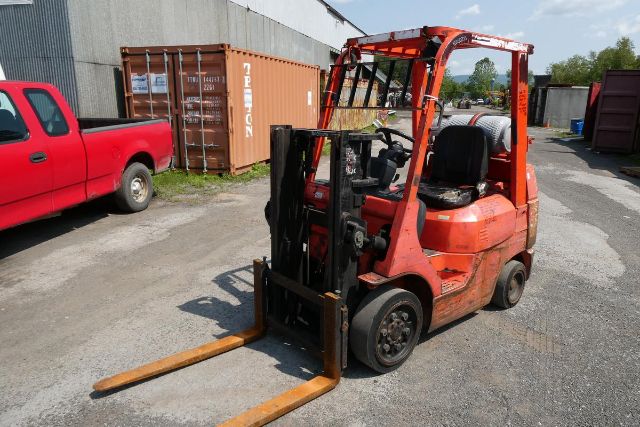
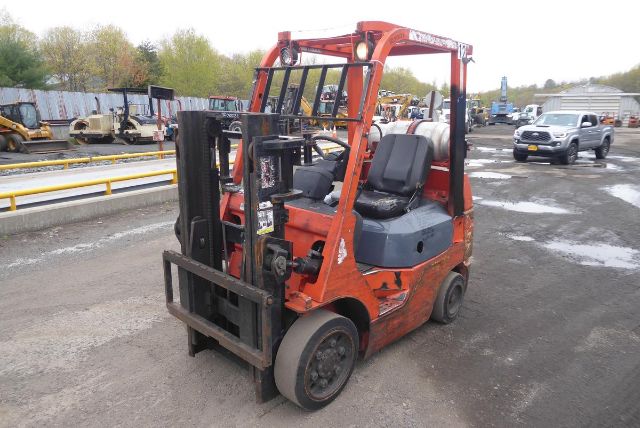
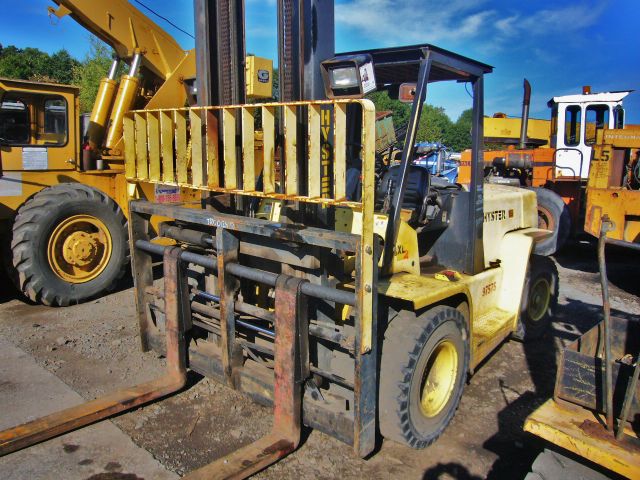
Have 2001 lifts - fork equipment to sell? List it here to reach thousands of buyers.
2001 Lifts - Fork in New York
On smaller internal-combustion units, propane remains common because it offers quick refueling, consistent power, and good suitability for mixed indoor-outdoor work. Pneumatic-tire diesel forklifts are more common in lumber yards, construction supply, precast, and other outdoor applications where rougher surfaces and heavier loads are normal. Solid tires are typical on warehouse-oriented units because they resist punctures and hold up well on concrete, while air-filled tires improve ride quality outdoors. Mast style is another key decision. Two-stage or dual-mast setups keep collapsed height lower for trailers and doors, while higher-lift configurations may trade compactness for stacking reach. Side shift is one of the most valuable options in this category because it speeds pallet placement and reduces repositioning. Fork positioners, enclosed cabs, and longer forks are especially useful on larger-capacity machines.
Used fork lift shoppers should pay close attention to actual operating condition, not just hours. Hydraulic cylinder seepage, mast wear, carriage looseness, tilt function, steering response, parking brake performance, and transmission engagement tell more than a meter reading by itself. On propane units, confirm engine quality under load, not just idle quality, and verify whether the tank is included. On diesel units, look at cold-start behavior, blow-by, cooling system condition, and tire wear across the steer axle and drive axle. Fork condition is easy to overlook, but fork length, thickness, heel wear, and matching pair condition directly affect safe use. Missing forks, warning lights, cracked tilt cylinders, and non-actual hours are all common listing details that should be priced into the decision.
For buyers in New York, operating environment can narrow the field quickly. Indoor warehouse fleets often prioritize compact dimensions, lower mast height, and propane or electric-friendly operating characteristics, while outdoor yards may need larger pneumatic-tire machines with enclosed cabs for seasonal weather. Door height, aisle width, trailer access, dock plate use, and the heaviest real-world load should drive the purchase more than brand alone. Toyota, Doosan, Hyundai, and similar makes are well known in this category, but the best choice is the one with the right serviceability, parts support, and attachment setup for your daily workflow.
Frequently Asked Questions about 2001 Lifts - Fork in New York
What capacity fork lift should I buy?
Start with the heaviest load you actually handle, then factor in load center, lift height, and attachment weight. A forklift rated at 5,000 lbs may not safely handle a long or bulky load at full height the same way it handles a standard pallet near the ground. Buyers should use the data plate and real application details, not just the advertised rated capacity.
Is propane or diesel better for a used fork lift?
Propane is a strong fit for mixed indoor-outdoor use because refueling is fast and power delivery is consistent. Diesel is usually preferred for heavier outdoor work, longer run times, and rougher yard conditions. The right choice depends on ventilation, shift length, surface conditions, and the weight class of the truck you need.
What should I inspect first on a used forklift?
Check mast operation, tilt and lift cylinders, side shift function, steering, brakes, transmission engagement, tire condition, and fork wear before focusing on cosmetics. Hour readings are useful, but leaks, chain wear, mast slack, and poor hydraulic response usually tell a clearer story about remaining service life. If the listing notes missing forks, warning lights, or cylinder damage, account for repair cost before buying.
Why does mast height matter so much on a fork truck?
Collapsed mast height determines whether the truck can enter trailers, pass through doors, or work under low-clearance areas. Maximum lift height determines how high you can stack or rack material. A buyer needs both numbers because a forklift that lifts high enough may still be impractical if the lowered mast is too tall for the building or loading area.
Are solid tires or pneumatic tires better on forklifts?
Solid tires are common on smooth warehouse floors because they are durable and resist punctures. Pneumatic tires are better suited for outdoor yards, uneven surfaces, and heavier-duty applications where ride quality and traction matter more. Tire type should match the ground conditions the machine sees every day.