
2001 Equipment For Sale
Browse 2001 trucking equipment for sale, including trailers, bodies, and support gear. Compare specs, condition, duty cycle, and road readiness.
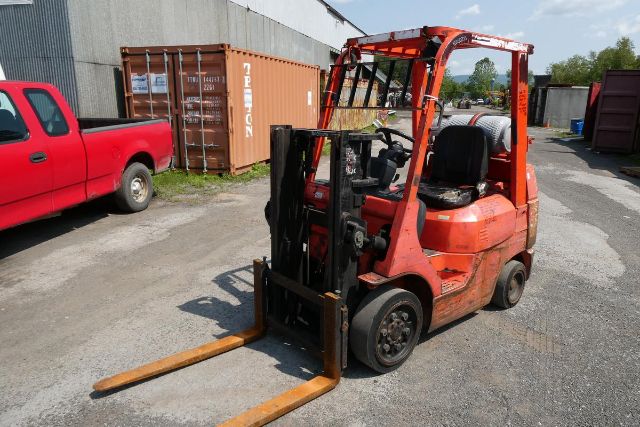
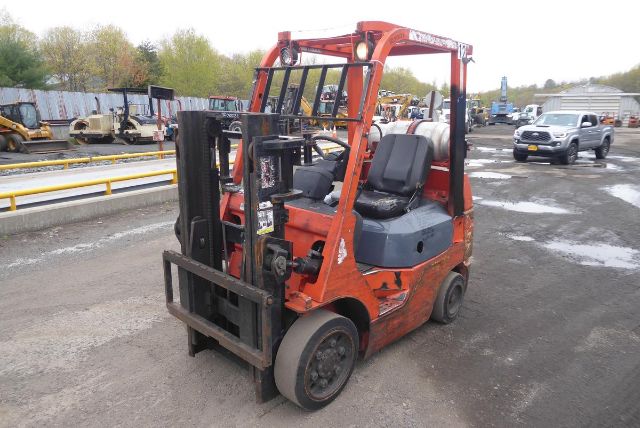
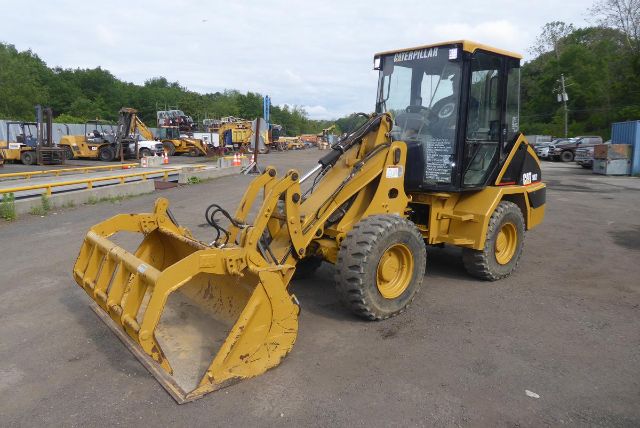
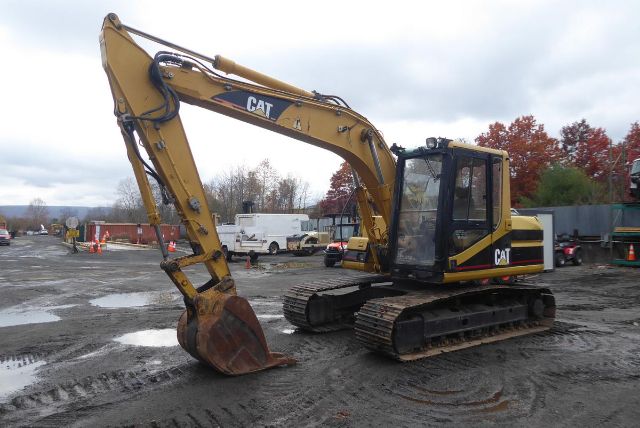
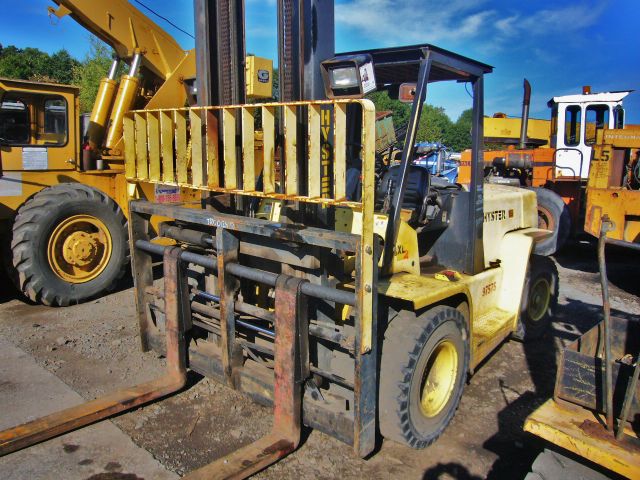
Selling a 2001 equipment? List your 2001 equipment for sale and reach thousands of commercial buyers.
2001 Equipment
This category can include a wide range of commercial equipment tied to trucking operations, from trailers and truck-mounted equipment to support units used around yards, loading areas, and job sites. Common decision points include GVWR or payload capacity, deck or body configuration, axle setup, brake type, hydraulic system condition, and overall dimensions. On trailer-related equipment, check crossmembers, floor condition, landing gear, kingpin area, slider function, and DOT lighting. On truck-mounted or hydraulic equipment, focus on PTO operation, cylinder condition, hose age, pump performance, and any play in pins, bushings, or mounting points. Older electrical systems also deserve a close inspection because lighting faults and charging issues are common on equipment in this age range.
A 2001 model can make sense when purchase price is the priority and the equipment is intended for lower annual utilization or specialized work. Many buyers in this segment are looking for a cost-effective unit they can maintain in-house, put into seasonal service, or use as a secondary piece of equipment. The key is matching the spec to the job. Tandem versus spread axle, air ride versus spring ride, steel versus aluminum construction, liftgate presence, ramp design, and tie-down layout all affect daily usability and maintenance cost. If the equipment will run interstate, confirm current compliance items such as brakes, tires, lighting, reflectivity, and any state-specific inspection requirements before purchase.
The best 2001 trucking equipment listings are the ones that give buyers enough detail to judge remaining life. Look for clear information on dimensions, weight ratings, tire condition, brake percentage, recent repairs, hydraulic functionality, and known defects. Photos of the undercarriage, suspension, coupler or kingpin area, frame rails, and wear surfaces are especially useful on older equipment. A lower-priced unit can still be the better buy if wear points are documented and major systems are operational, while a cosmetically cleaner piece may still need expensive brake, tire, wiring, or structural work. For this year range, inspection discipline is what separates a usable asset from a shop project.
Frequently Asked Questions about 2001 Equipment
Is 2001 trucking equipment still worth buying for commercial use?
It can be, provided the equipment matches the job and has been maintained properly. Many 2001 units are best suited for secondary duty, seasonal work, farm use, municipal applications, or shorter regional runs rather than high-mileage linehaul service. Buyers should base value on structural condition, brake and tire life, hydraulic performance, and repair history instead of age alone.
What should I inspect first on older trucking equipment from 2001?
Start with the frame, suspension, brakes, tires, wiring, and any hydraulic components. On trailers, pay close attention to the kingpin plate, crossmembers, floor, landing gear, and slider assembly if equipped. On truck-mounted equipment or support units, inspect PTO engagement, cylinders, hoses, pumps, and mounting points. Corrosion, cracked welds, and neglected electrical repairs are common cost drivers on older equipment.
How does a 2001 model year affect parts availability?
Parts availability depends more on the make, model, and component brands than on the model year itself. Standard running gear, brake components, lighting, seals, hoses, and many suspension parts are often still widely available. The harder items to source are usually discontinued body parts, proprietary hydraulic controls, older electronic modules, and brand-specific structural components. Checking component tags and OEM support before purchase is a smart step.
What specs matter most when comparing 2001 trucking equipment listings?
The most important specs depend on the equipment type, but buyers usually compare weight ratings, dimensions, axle configuration, suspension type, brake setup, hydraulic capacity, and overall condition. Tire size and tread, deck or body measurements, loading height, coupler or kingpin condition, and recent maintenance records also carry a lot of weight. On older equipment, a complete and accurate condition description is often more valuable than a long feature list.
Can older trucking equipment be a better value than newer equipment?
Yes, if the lower acquisition cost offsets the maintenance risk and the equipment is not being pushed into a demanding duty cycle. Older units can offer strong value for operations with in-house technicians, lighter annual utilization, or jobs where cosmetic condition is less important than function. The calculation changes quickly if the equipment needs structural repairs, a full brake job, new tires, or major hydraulic work, so inspection and repair budgeting are critical.