
1995 Equipment For Sale in New York
Browse 1995 trucking equipment for sale in New York, including older commercial units, support equipment, and vocational fleet assets.
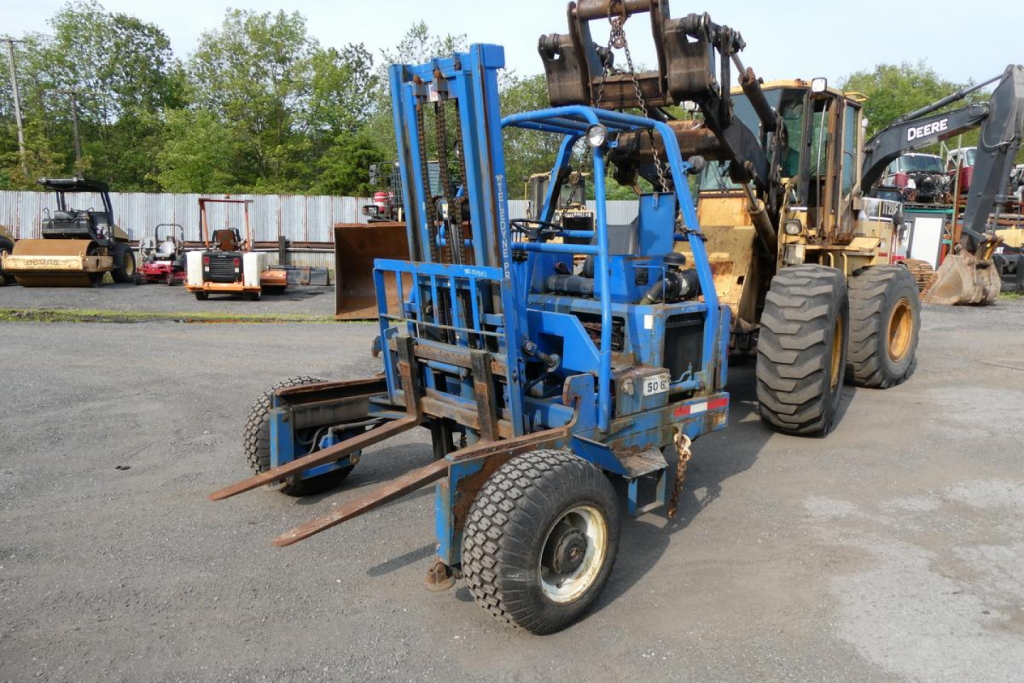
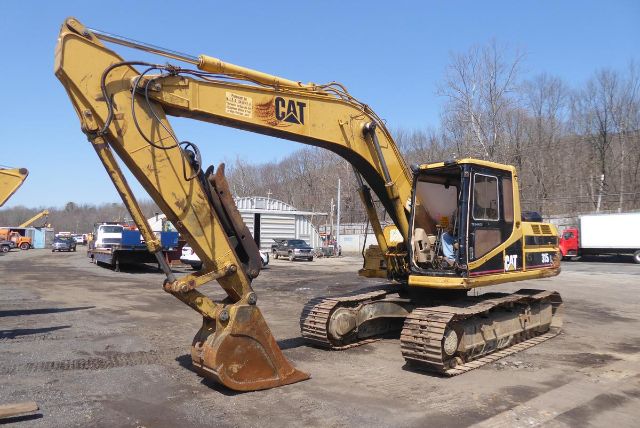
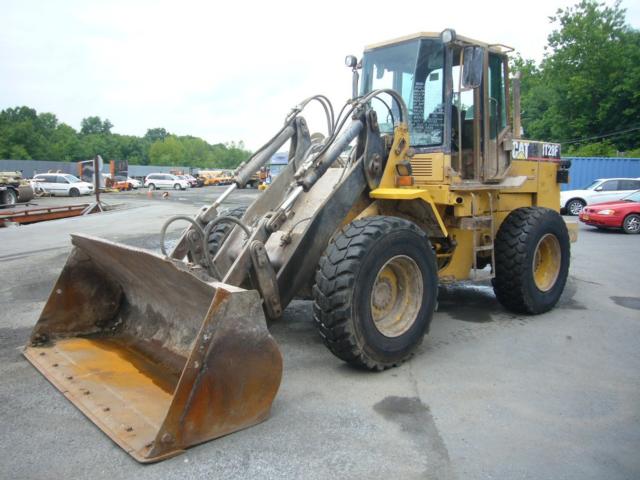
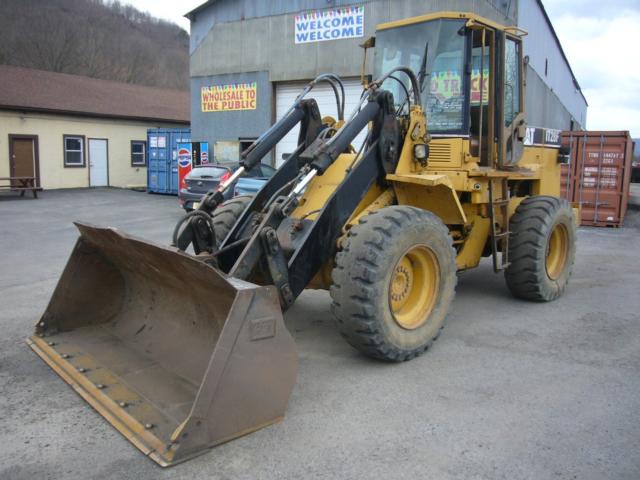
Selling a 1995 equipment? List your 1995 equipment for sale and reach thousands of commercial buyers.
1995 Equipment in New York
For older trucking equipment, condition matters more than age on paper. Buyers should focus on engine health, transmission operation, brake performance, steering play, hydraulic response, frame condition, tire age, and visible signs of neglect or improvised repairs. On road-going equipment, check for rust in the cab structure, crossmembers, spring hangers, air tanks, and electrical connections, especially in New York where road salt can accelerate corrosion. If the equipment has PTO-driven or hydraulic functions, verify pump engagement, hose condition, cylinder seals, and control operation under load. Hour meter and odometer readings can help, but maintenance records, cold-start behavior, and signs of consistent service usually tell the better story on a 1995 machine.
Specs vary widely across this category because trucking equipment can include trucks, trailers, yard support machines, loading equipment, and specialty vocational assets. Common decision points include GVWR or payload capacity, axle configuration, wheelbase, engine type, transmission style, suspension, brake system, PTO setup, hitch type, and overall transport dimensions. Buyers comparing 1995 equipment should also consider practical ownership factors such as tire availability, obsolete electrical components, manual versus automatic controls, and whether replacement parts are readily sourced through OEM, aftermarket, salvage, or cross-reference channels. Older units often reward buyers who can inspect carefully and handle light refurbishment in-house.
A well-kept 1995 piece of trucking equipment can still deliver solid value when the application is clear and the operating expectations are realistic. The best fit is usually a buyer who wants a purpose-built machine for occasional hauling, material handling, lot support, construction support, or utility work without taking on the purchase price of newer equipment. Look closely at service access, structural integrity, driveline wear, hydraulic leaks, and any signs the machine sat unused for long periods. When those basics check out, older commercial equipment can remain productive for years in the right fleet or owner-operator setting.
Frequently Asked Questions about 1995 Equipment in New York
Is 1995 trucking equipment still a practical buy for commercial use?
Yes, 1995 trucking equipment can still be a practical buy when the application matches the machine’s condition and capability. Older equipment is often best suited for backup duty, seasonal work, yard use, farm operations, municipal tasks, and short-run vocational service. The value is usually in lower upfront cost and simpler mechanical systems, but buyers should expect to spend more time evaluating wear, parts availability, and maintenance history than they would on newer equipment.
What should I inspect first on 1995 trucking equipment in New York?
Start with rust, structural integrity, and operating condition. In New York, corrosion can affect frames, cab corners, brake lines, suspension mounts, wiring, and underbody components due to road salt exposure. After that, check engine starting, transmission engagement, brake function, steering looseness, tire condition, hydraulic leaks, and any PTO or auxiliary systems. A machine that runs clean, operates smoothly, and shows consistent maintenance is usually a better bet than one with lower reported hours but obvious deterioration.
Are parts hard to find for 1995 commercial equipment?
Parts availability depends on the make, model, and component package more than the model year alone. Common engines, transmissions, axles, and hydraulic components often still have aftermarket and salvage support, while certain cab parts, electrical modules, trim pieces, and model-specific controls can be harder to source. Buyers should verify support for wear items and critical driveline or hydraulic components before purchasing, especially if the unit will be used regularly instead of occasionally.
What types of buyers benefit most from older trucking equipment?
Older trucking equipment usually fits buyers who prioritize function over appearance and can manage basic maintenance internally. Small contractors, farms, municipal departments, independent operators, and companies needing a secondary or dedicated-purpose unit often get the best value from this age range. The equipment makes the most sense when it fills a narrow role reliably, such as yard spotting, material loading, short-haul support, or occasional jobsite work.
How do I judge value on 1995 trucking equipment?
Value should be based on condition, serviceability, and job fit rather than age alone. A cleaner, well-maintained unit with good tires, dry hydraulics, solid structure, and documented repairs can be worth more than a cheaper machine that needs major brake, driveline, or corrosion work. Buyers should compare expected repair costs, transportation needs, parts support, and remaining useful life against the intended workload. The right purchase is usually the unit that can go to work with minimal catch-up expense.