
1995 Equipment For Sale
Shop 1995 trucking equipment listings and compare specs, applications, condition, and maintenance factors across work-ready commercial machines.
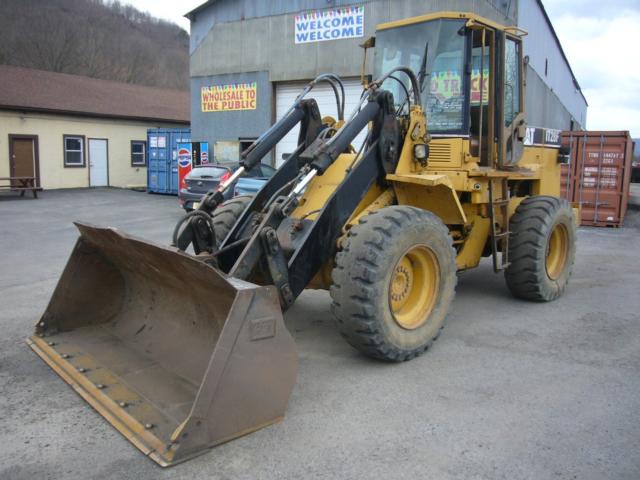
Selling a 1995 equipment? List your 1995 equipment for sale and reach thousands of commercial buyers.
1995 Equipment
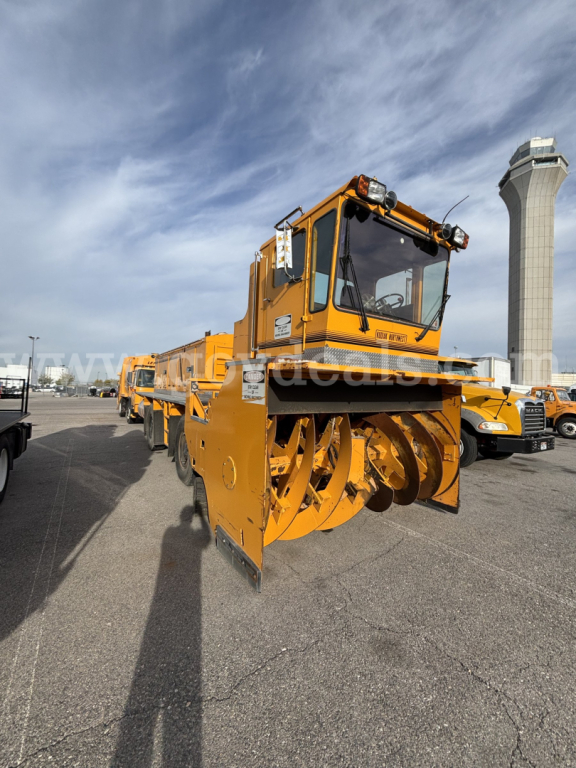
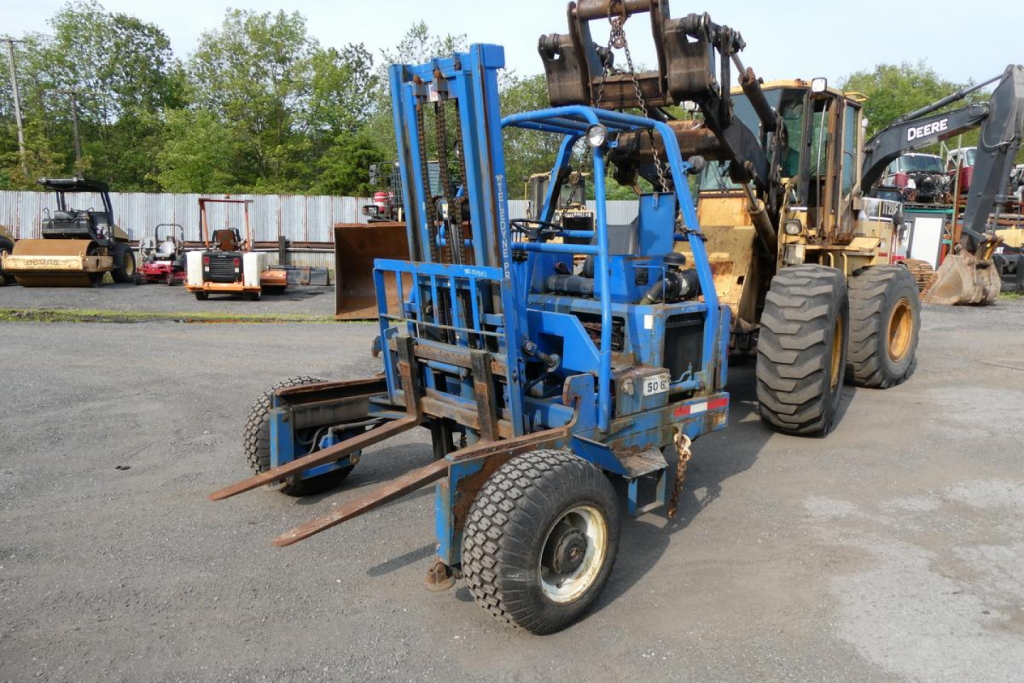
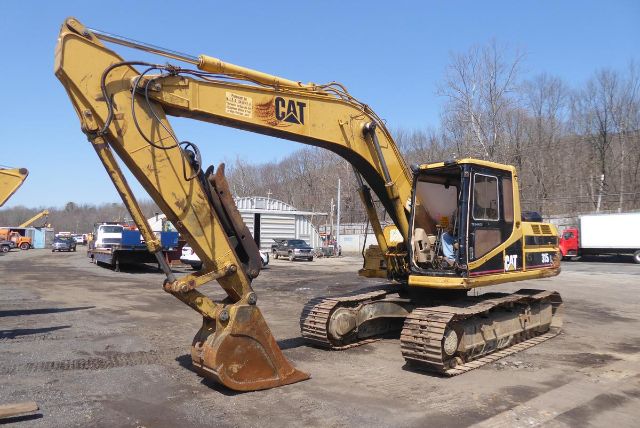
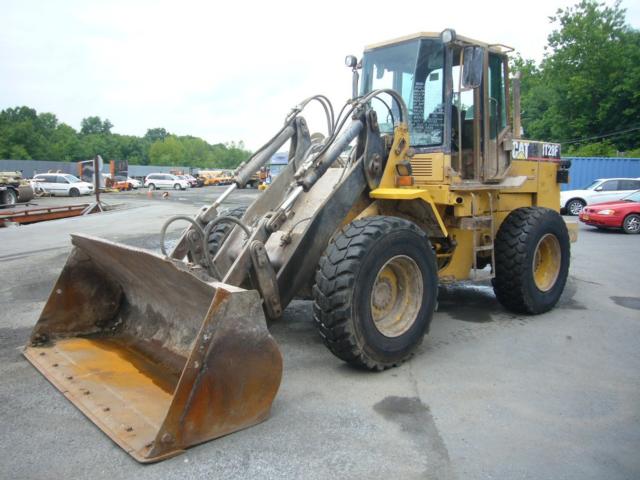
The 1995 model year covers a wide range of trucking equipment, including road tractors, straight trucks, dump trucks, service trucks, trailers, truck-mounted equipment, forklifts, loaders, and other vocational machines that support freight and construction operations. Specs vary widely by application, but common decision points include diesel versus propane power, manual versus automatic transmissions, tandem versus single axle setups, spring versus air suspension, and tire size availability. On truck-mounted units, it is smart to inspect PTO operation, hydraulic pumps, boom or mast wear, cylinder seepage, hose age, and any play in pins and bushings. On older chassis, pay close attention to crossmembers, frame flanges, suspension hangers, steering components, wheel seals, and brake hardware, since these areas often determine the true cost to put a unit into regular service.
Emissions can be a major advantage with 1995 equipment because many units predate later emissions systems such as EGR, DPF, and DEF. That can mean a simpler mechanical package, easier field serviceability, and lower diagnostic complexity. At the same time, buyers need to verify local registration rules, fleet compliance requirements, and jobsite restrictions, especially in California and other regulated markets. Mechanical diesels and early electronic engines are often valued for simplicity, but they still need careful inspection for blow-by, coolant contamination, hard starting, oil leaks, injector issues, and transmission health. If the equipment is intended for occasional use, backup service, or operation on private property, an older 1995 unit can make strong financial sense when major systems are sound.
The best 1995 trucking equipment purchases usually come from matching the machine to the job and budgeting for catch-up repairs upfront. Look for signs of long-term care such as dry cylinders, functional hydraulics, consistent tire wear, intact cab structure, and serviceable electrical systems. Confirm hour meter or odometer readings when possible, but judge older equipment by current operating condition more than the number on the gauge. Parts interchange, local mechanic familiarity, and the availability of common wear items can be just as important as horsepower or capacity. For buyers comparing many listings, the strongest candidates are typically the ones with clear specifications, honest condition notes, and enough remaining service life to justify transport, repairs, and planned use.
Frequently Asked Questions about 1995 Equipment
Is 1995 trucking equipment too old to be practical for commercial use?
Not necessarily. 1995 trucking equipment can still be practical when the core systems are sound and the machine is matched to the right application. Older equipment is often used successfully in farm operations, municipal fleets, yards, low-mileage routes, backup service, and private property work. The key is to evaluate condition, service history, structural integrity, drivetrain health, and parts availability rather than dismissing the unit based on age alone.
What should I inspect first on 1995 trucking equipment?
Start with the expensive components. Check the engine for blow-by, leaks, coolant issues, cold-start behavior, and abnormal noise. Inspect the transmission for shift quality and fluid condition, then move to axles, brakes, suspension, steering, frame rails, and tires. If the equipment has hydraulics, inspect cylinders, hoses, pump function, PTO engagement, and wear in pins and bushings. Electrical repairs can also add up quickly on older equipment, so lights, gauges, charging systems, and wiring condition should not be overlooked.
Does 1995 trucking equipment have an advantage because it is pre-emissions?
In many cases, yes. Many 1995 units predate modern emissions equipment such as DPF and DEF systems, which can make them simpler to maintain and easier to diagnose. That simplicity is one reason older commercial trucks and vocational machines still attract buyers. However, emissions advantages do not override local laws, and some states or job sites may restrict older equipment. Buyers should confirm registration and operating requirements before making a decision.
Are parts still available for 1995 trucking equipment?
Parts availability depends on the make, model, engine, transmission, and axle configuration. Common driveline components from major manufacturers often remain easier to source than body, trim, or application-specific hydraulic parts. Equipment built with widely used Cummins, Caterpillar, Detroit, Fuller, Allison, Meritor, or Rockwell components may offer better long-term serviceability. Before buying, it is smart to verify the availability of wear items, seals, brake parts, filters, hoses, and any specialty components unique to that machine.
How do I judge value on a 1995 equipment listing?
Value comes from usable condition and repair exposure, not just the asking price. A lower-priced 1995 unit may still be expensive if it needs tires, brake work, hydraulic repairs, wiring cleanup, and major engine or transmission work. Compare frame condition, running status, meter readings, visible leaks, tire condition, hydraulic function, and completeness of the machine. Listings with detailed specs and honest condition notes usually make it easier to estimate the real cost of ownership.