
1994 Equipment For Sale
Browse 1994 trucking equipment for sale, including commercial trucks, trailers, and vocational units built for hauling, delivery, and jobsite use.
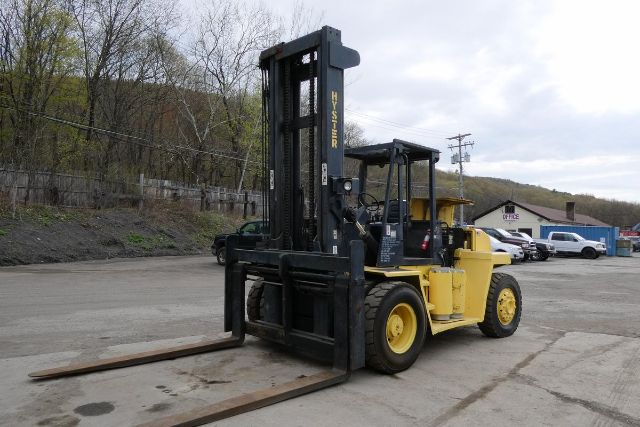
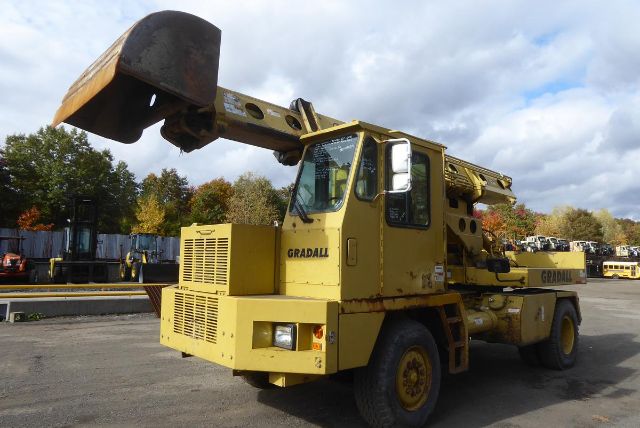
Selling a 1994 equipment? List your 1994 equipment for sale and reach thousands of commercial buyers.
1994 Equipment
The biggest buying decision in 1994 trucking equipment is condition, not age alone. Engine hours or odometer readings help, but maintenance history, frame integrity, driveline wear, brake condition, and signs of rust or prior damage matter more. On trucks, buyers should pay close attention to engine make, transmission type, rear axle ratio, suspension setup, wheelbase, and PTO or hydraulic provisions if the unit is vocational. On trailers, key checkpoints include crossmembers, floor condition, kingpin wear, landing gear, suspension type, brake components, tire date codes, and evidence of cracking around high-stress areas. Older equipment often varies more from one unit to the next because many have been repowered, rebodied, or modified for specific applications over time.
For on-highway tractors and straight trucks from the 1994 model year, common configurations may include pre-emissions diesel engines, manual transmissions, spring or air-ride suspensions, and simpler electrical systems. That can be a real advantage for owner-operators and small fleets that prioritize serviceability and low cost per mile on limited annual usage. For vocational trucks, buyers should look closely at body manufacturer, hoist condition, hydraulic leaks, liner wear, pintle or hitch setup, and axle ratings that match the intended payload. Trailer buyers should also confirm overall length, width, deck height, GVWR, and any specialized features such as air-ride, spread axle, toolboxes, scuff liners, sliding tandems, or lift axles, depending on the application.
A 1994 equipment purchase makes the most sense when the job is clearly defined and compliance requirements are understood up front. Some older trucks may face registration, emissions, or port-access limitations depending on the state or operating region, so it is smart to verify local rules before buying. Parts support is still strong for many legacy driveline, brake, suspension, and trailer components, but availability can depend on make and prior modifications. Buyers who inspect carefully and match the spec to the work can still find 1994 trucking equipment that delivers solid value in local hauling, agricultural use, construction support, storage trailer service, and other cost-sensitive applications.
Frequently Asked Questions about 1994 Equipment
What should I inspect first on 1994 trucking equipment?
Start with the frame, engine, transmission, axles, brakes, suspension, and structural condition. On trucks, check for excessive rust, cracks, oil or coolant leaks, blow-by, steering play, and signs of hard use around mounts, hangers, and crossmembers. On trailers, inspect the kingpin area, floor, crossmembers, landing gear, suspension, brake chambers, slack adjusters, and tire condition. Older equipment can still perform well, but structural repairs and driveline issues usually matter more than cosmetic appearance.
Is 1994 trucking equipment still practical for commercial use?
Yes, in the right application. Many 1994 trucks and trailers are best suited for local hauling, farm work, seasonal work, yard service, or vocational use where lower purchase cost is more important than late-model features. Practical use depends on the unit's condition, legal operating requirements, and how well its specifications match the job. For buyers who do their own maintenance or operate limited miles, older equipment can still be a cost-effective option.
Are parts hard to find for 1994 trucks and trailers?
Parts availability depends on the make, model, and whether the equipment has been modified over the years. Common legacy components for engines, transmissions, axles, brakes, wheel ends, and suspensions are often still available through aftermarket and heavy-duty parts channels. The challenge usually comes with obsolete cab parts, interior trim, body-specific hardware, or uncommon vocational attachments. It is smart to identify the major component brands before buying so parts sourcing is easier later.
Do 1994 trucks have emissions or registration limitations?
They can, depending on where and how the truck will operate. Some states, municipalities, and port areas have stricter emissions standards, diesel retrofit rules, or age-related restrictions that can affect older commercial vehicles. Registration class, weight rating, and intended use also matter. Buyers should verify local DMV, DOT, and air quality requirements before purchase, especially for on-road tractors and straight trucks that will be used in regulated regions.
What specs matter most when comparing 1994 trucking equipment listings?
Focus on the specifications that directly affect the work the equipment will do. For trucks, that usually means engine make, horsepower, transmission, axle ratings, suspension, wheelbase, PTO setup, and body configuration. For trailers, pay attention to length, width, GVWR, axle configuration, suspension type, deck or floor condition, and brake setup. A well-matched older unit is usually a better buy than a cheaper one with the wrong configuration.